
Dallas Metro / North Texas
(214) 710-1028

Various Ways to Break an Ankle

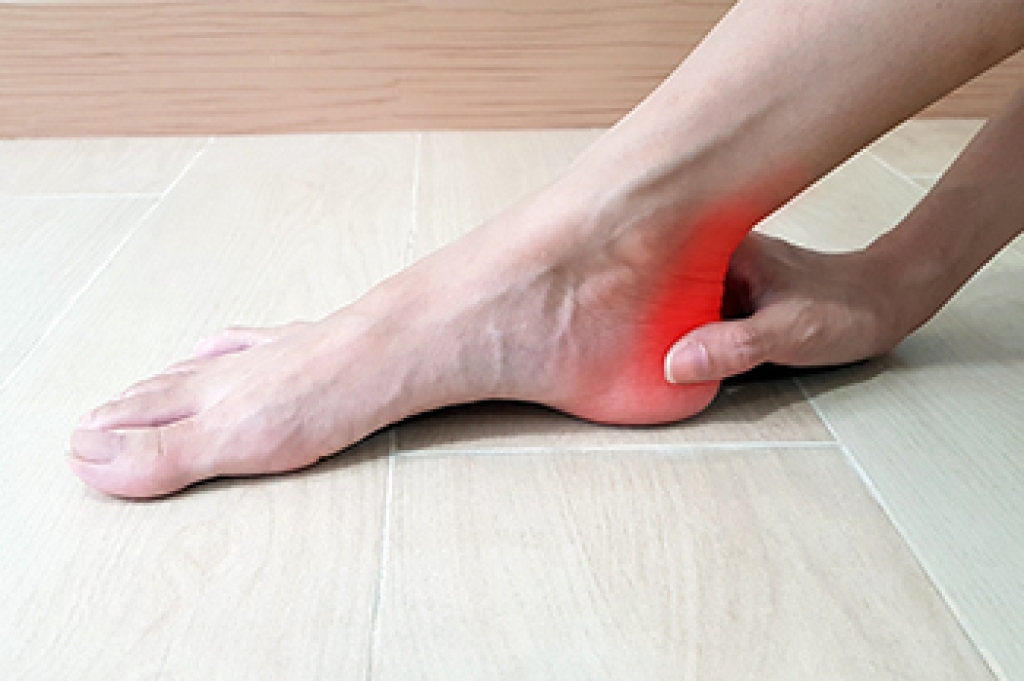
Research has shown that a broken ankle is the most common type of bone injury. Broken ankles can occur for various reasons such as overuse from excessive walking or running and being predisposed to fractures. Additionally, a broken ankle may happen from unexpectedly stepping off a curb and twisting the ankle beyond its normal range of motion. This can weaken the ankle bones and cause the ankle to become displaced. Common symptoms associated with an ankle fracture include immediate bruising, swelling, and the inability to put weight on the affected foot. After a proper diagnosis is performed, which often consists of having an X-ray taken, treatment can begin. The X-ray can be used to determine the severity of the break, and proper treatment methods are based on the information it provides. Various techniques are used to treat a broken ankle, and if you have endured this type of injury, please consult a podiatrist who can help you with effective approaches to treat a broken ankle.

Broken ankles need immediate treatment. If you are seeking treatment, contact Kellvan Cheng, DPM from Elite Foot & Ankle. Our doctor can provide the care you need to keep you pain-free and on your feet. 

Broken Ankles
A broken ankle is experienced when a person fractures their tibia or fibula in the lower leg and ankle area. Both of these bones are attached at the bottom of the leg and combine to form what we know to be our ankle.

When a physician is referring to a break of the ankle, he or she is usually referring to a break in the area where the tibia and fibula are joined to create our ankle joint. Ankles are more prone to fractures because the ankle is an area that suffers a lot of pressure and stress. There are some obvious signs when a person experiences a fractured ankle, and the following symptoms may be present.

Symptoms of a Fractured Ankle

  • Excessive pain when the area is touched or when any pressure is placed on the ankle
  • Swelling around the area
  • Bruising of the area
  • Area appears to be deformed

If you suspect an ankle fracture, it is recommended to seek treatment as soon as possible. The sooner you have your podiatrist diagnose the fracture, the quicker you’ll be on the way towards recovery.

If you have any questions, please feel free to contact our office located in Carrollton, TX . We offer the newest diagnostic and treatment technologies for all your foot care needs.

Read more about All About Broken Ankles

Achilles Tendon Pain

The Achilles tendon connects the heel bone to the calf muscles at the back of the ankle. Pain at this location of the leg and foot can be caused from a partial or complete tear, or rupture of the tendon or tendinitis (also known as tendinosis or tendinopathy). Achilles tendinitis can happen when the tendon becomes inflamed. There can be non-insertional Achilles tendinitis, where the fibers in the middle of the tendon become inflamed or insertional Achilles tendinitis, when the fibers in the lower tendon become inflamed. Achilles tendon pain can result in discomfort, swelling in the heel, stiffness in the legs and heel, and restriction of one’s movement. It can occur from excessive or repetitive stress on the ankles and feet. Those who play sports that involve rapid changes in direction or one who suddenly increases the intensity of their exercise are prone to such injuries. This pain can also come on from wearing inappropriate footwear, running on uneven surfaces, foot abnormalities, older age, or being overweight. If you have Achilles tendon pain, consult with a podiatrist who can properly diagnosis and treat it.

Achilles tendon injuries need immediate attention to avoid future complications. If you have any concerns, contact Kellvan Cheng, DPM of Elite Foot & Ankle. Our doctor can provide the care you need to keep you pain-free and on your feet.

What Is the Achilles Tendon?

The Achilles tendon is a tendon that connects the lower leg muscles and calf to the heel of the foot. It is the strongest tendon in the human body and is essential for making movement possible. Because this tendon is such an integral part of the body, any injuries to it can create immense difficulties and should immediately be presented to a doctor.

What Are the Symptoms of an Achilles Tendon Injury?

There are various types of injuries that can affect the Achilles tendon. The two most common injuries are Achilles tendinitis and ruptures of the tendon.

Achilles Tendinitis Symptoms

  • Inflammation
  • Dull to severe pain
  • Increased blood flow to the tendon
  • Thickening of the tendon

Rupture Symptoms

  • Extreme pain and swelling in the foot
  • Total immobility

Treatment and Prevention

Achilles tendon injuries are diagnosed by a thorough physical evaluation, which can include an MRI. Treatment involves rest, physical therapy, and in some cases, surgery. However, various preventative measures can be taken to avoid these injuries, such as:

  • Thorough stretching of the tendon before and after exercise
  • Strengthening exercises like calf raises, squats, leg curls, leg extensions, leg raises, lunges, and leg presses

If you have any questions please feel free to contact our office located in Carrollton, TX . We offer the newest diagnostic tools and technology to treat your foot and ankle needs.

Read more about The Causes, Types, and Treatments of Achilles Tendon Injuries

Benefits of Orthotics

Orthotics are worn inside shoes to correct various structural issues and treat medical conditions. Orthotics can be soft or rigid, both providing similar benefits. Soft orthotics are made with soft materials for extra cushioning. Rigid orthotics are made from harder materials, like carbon fiber or plastic. Orthotics can relieve foot and leg pain. Many symptoms requiring orthotics originate in the lower back and involve nerves that control function and movement in the legs and feet. Conditions causing foot and leg pain include a herniated disc, sleeping in an awkward position, or standing for prolonged times at work. Orthotics allow an individual to be able to maintain the correct alignment of the feet and legs, lessen pain, and prevent it from worsening. Orthotics can also help with managing minor foot deformities, absorbing shock from high-impact exercises, and correcting over-pronation, which is when the arch of the foot collapses inwards. If you think you might benefit from orthotics or want to know more about them, it is suggested that you consult with a podiatrist.

If you are having discomfort in your feet and would like to try orthotics, contact Kellvan Cheng, DPM from Elite Foot & Ankle. Our doctor can provide the care you need to keep you pain-free and on your feet.

What Are Orthotics?

Orthotics are inserts you can place into your shoes to help with a variety of foot problems such as flat feet or foot pain. Orthotics provide relief and comfort for minor foot and heel pain but can’t correct serious biomechanical problems in your feet.

Over-the-Counter Inserts

Orthotics come in a wide variety of over-the-counter inserts that are used to treat foot pain, heel pain, and minor problems. For example, arch supports can be inserted into your shoes to help correct overarched or flat feet, while gel insoles are often used because they provide comfort and relief from foot and heel pain by alleviating pressure.

Prescription Orthotics

If over-the-counter inserts don’t work for you or if you have a more severe foot concern, it is possible to have your podiatrist prescribe custom orthotics. These high-quality inserts are designed to treat problems such as abnormal motion, plantar fasciitis, and severe forms of heel pain. They can even be used to help patients suffering from diabetes by treating foot ulcers and painful calluses and are usually molded to your feet individually, which allows them to provide full support and comfort.

If you are experiencing minor to severe foot or heel pain, it’s recommended to speak with your podiatrist about the possibilities of using orthotics. A podiatrist can determine which type of orthotic is right for you and allow you to take the first steps towards being pain-free.

If you have any questions, please feel free to contact our office located in Carrollton, TX . We offer the newest diagnostic and treatment technologies for all your foot care needs.
Read more about Foot Orthotics

Healing Plantar Fasciitis

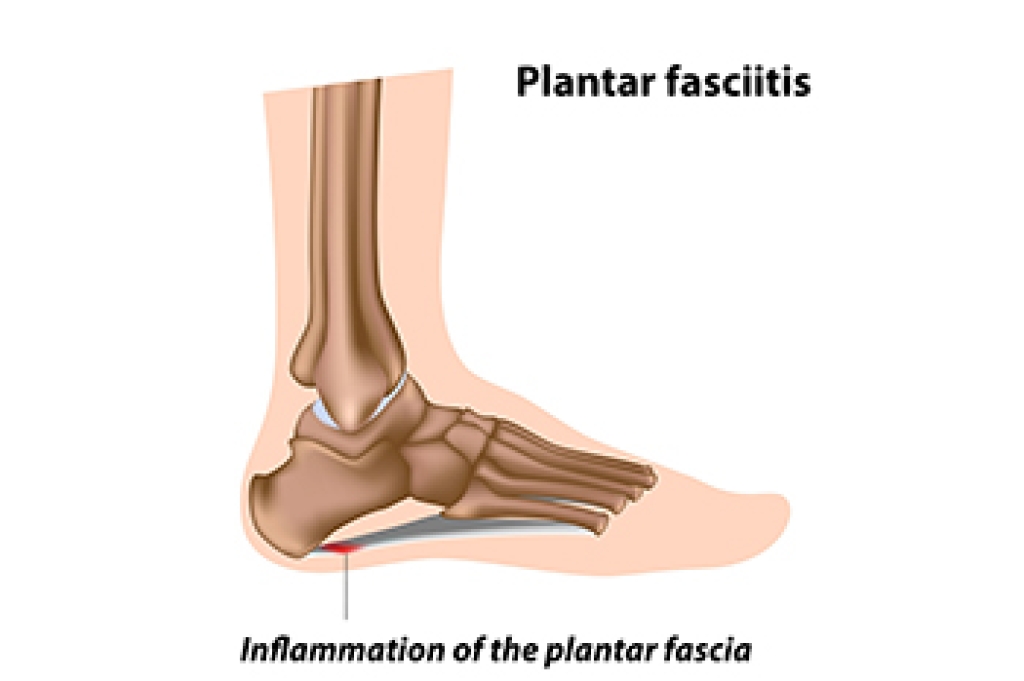
Plantar fasciitis is a highly widespread form of heel pain that occurs when the band of tissues under the arch of the foot (the plantar fascia) becomes inflamed. After contacting a podiatrist and receiving treatment for plantar fasciitis, there are several ways to gauge how you are recovering. First, it might be a sign that you are healing if the pain is starting to become localized instead of distributed throughout your foot and ankle. Additionally, pain from plantar fasciitis can be most pronounced when taking the first steps of the day. Therefore, if you notice reduced or diminished morning pain, this might be a sign that you are recovering. Lastly, you may be recovering from plantar fasciitis if you find that your normal range of motion in the feet and ankles is returning. Recovery times can vary from person to person. However, it commonly takes patients about six months to fully recover. If you have plantar fasciitis, it is suggested that you contact a podiatrist today.

Plantar fasciitis can be very painful and inconvenient. If you are experiencing heel pain or symptoms of plantar fasciitis, contact Kellvan Cheng, DPM  from Elite Foot & Ankle. Our doctor can provide the care you need to keep you pain-free and on your feet.

What Is Plantar Fasciitis?

Plantar fasciitis is the inflammation of the thick band of tissue that runs along the bottom of your foot, known as the plantar fascia, and causes mild to severe heel pain.

What Causes Plantar Fasciitis?

  • Excessive running
  • Non-supportive shoes
  • Overpronation
  • Repeated stretching and tearing of the plantar fascia

How Can It Be Treated?

  • Conservative measures – anti-inflammatories, ice packs, stretching exercises, physical therapy, orthotic devices
  • Shockwave therapy – sound waves are sent to the affected area to facilitate healing and are usually used for chronic cases of plantar fasciitis
  • Surgery – usually only used as a last resort when all else fails. The plantar fascia can be surgically detached from the heel

While very treatable, plantar fasciitis is definitely not something that should be ignored. Especially in severe cases, speaking to your doctor right away is highly recommended to avoid complications and severe heel pain. Your podiatrist can work with you to provide the appropriate treatment options tailored to your condition.

If you have any questions, please feel free to contact our office located in Carrollton, TX . We offer the newest diagnostic and treatment technologies for all your foot care needs.

Read more about Plantar Fasciitis

Get Professional Care for a Broken Foot or Ankle

Constant care and regular evaluation are important for a foot or ankle fracture. If left untreated, foot or ankle fractures can worsen over time and create more serious problems.

Don't wait to be examined if you believe you've experienced a foot or ankle fracture.

Should I Become a Podiatrist?

The medical term for a foot doctor is a podiatrist. This is a doctor who specializes in various conditions involving the feet and ankles. People who are interested in pursuing a career in podiatry will need to earn a bachelor’s degree, followed by four years of training in a podiatric medical school. Residency training begins after medical school and occurs in a hospital or clinic. There are different areas of foot medicine that podiatrists can choose to specialize in. These include wound care, surgery, diabetes, sports medicine, and more. Additionally, there are common everyday foot conditions like ingrown toenails, blisters, bunions, and fungal nails that podiatrists also treat. A podiatrist can prescribe medication to help with any foot or ankle ailment. If you are considering this type of career path, please confer with a podiatrist who can help you to determine if this is the correct choice for you.

If you are experiencing pain in the feet or ankles, don’t join the stubborn majority refusing treatment. Feel free to contact Kellvan Cheng, DPM from Elite Foot & Ankle. Our doctor can provide the care you need to keep you pain-free and on your feet.

What Is a Podiatrist?

Someone would seek the care of a podiatrist if they have suffered a foot injury or have common foot ailments such as heal spurs, bunions, arch problems, deformities, ingrown toenails, corns, foot and ankle problems, etc.

Podiatric Treatment

A podiatrist will treat the problematic areas of the feet, ankle or lower leg by prescribing the following:

  • Physical therapy
  • Drugs
  • Orthotic inserts or soles
  • Surgery on lower extremity fractures

A common podiatric procedure a podiatrist will use is a scanner or force plate which will allow the podiatrist to know the designs of orthotics. Patients are then told to follow a series of tasks to complete the treatment. The computer will scan the foot a see which areas show weight distribution and pressure points. The podiatrist will read the analysis and then determine which treatment plans are available.

If you have any questions, please feel free to contact our office located in Carrollton, TX . We offer the newest diagnostic and treatment technologies for all your foot care needs.
Read more about What is a Podiatrist?

Causes of Foot Arch Pain in Runners

Pain in the arch of the foot can have many causes. Among them are plantar fasciitis, calcaneal nerve entrapment, navicular stress fractures, and tarsal tunnel syndrome. Experts agree that the most common cause of foot arch pain is plantar fasciitis. This condition affects the band of tissue that runs beneath the foot from the toes to the heel. Pain from inflammation is generally worse in the morning, levels off, and returns at the end of the day. Calcaneal nerve entrapment occurs when your foot rolls in too much when you walk, flattening the arch. It  can also be caused by ill-fitting footwear that pinches the nerve. A navicular stress fracture is a hairline crack in the navicular bone of the ankle, caused by overuse. Pain radiates through the midfoot to the inside of the arch. Tarsal tunnel syndrome is another nerve impingement condition, causing pain that radiates into the arch. Its symptoms are burning pain, along with numbness and tingling. If you are experiencing pain in the arch of the foot, it’s a good idea to consult a podiatrist for an exam and diagnosis.

Foot Pain

Foot pain can be extremely painful and debilitating. If you have a foot pain, consult with Kellvan Cheng, DPM from Elite Foot & Ankle. Our doctor will assess your condition and provide you with quality foot and ankle treatment.

Causes

Foot pain is a very broad condition that could be caused by one or more ailments. The most common include:

  • Bunions
  • Hammertoes
  • Plantar Fasciitis
  • Bone Spurs
  • Corns
  • Tarsal Tunnel Syndrome
  • Ingrown Toenails
  • Arthritis (such as Gout, Rheumatoid, and Osteoarthritis)
  • Flat Feet
  • Injury (from stress fractures, broken toe, foot, ankle, Achilles tendon ruptures, and sprains)
  • And more

Diagnosis

To figure out the cause of foot pain, podiatrists utilize several different methods. This can range from simple visual inspections and sensation tests to X-rays and MRI scans. Prior medical history, family medical history, and any recent physical traumatic events will all be taken into consideration for a proper diagnosis.

Treatment

Treatment depends upon the cause of the foot pain. Whether it is resting, staying off the foot, or having surgery; podiatrists have a number of treatment options available for foot pain.

If you have any questions, please feel free to contact our office located in Carrollton, TX . We offer the newest diagnostic and treatment technologies for all your foot care needs.
Read more about Foot Pain

Finding the Right Running Shoe

There are various types of running shoes that are tailored to specific running needs. One of the most important things to look for in a running shoe is a perfect fit. This can be easier to do when the shoes are tried on at the end of the day, when the feet are at their largest. It is necessary to make sure there is adequate room between the toes and the top of the shoe, in addition to choosing the right width. There are three categories of running shoes, and it is beneficial to know what kind of running is most likely to be pursued. An everyday running shoe can handle the type of general running that many people do, and is considered to be the most durable. If faster workouts or running races are preferred, a lightweight shoe may be purchased, and it is made with less cushioning. People who like running on rocky trails or dirt may buy a trail running shoe, which has lugs on the sole that may provide better support than other running shoes. If you have questions about what type of running shoe is best for you, please confer with a podiatrist who can direct you toward choosing the best shoe for you.

If you are a runner, wearing the right running shoe is essential. For more information, contact Kellvan Cheng, DPM from Elite Foot & Ankle. Our doctor can provide the care you need to keep you pain-free and on your feet.

Choosing the Right Running Shoe for Your Foot Type

To increase performance and avoid the risk of injury, it is important to choose the right running shoe based on your foot type. The general design of running shoes revolves around pronation, which is how the ankle rolls from outside to inside when the foot strikes the ground.

  • Neutral runners are able to choose from a wide variety of shoes, including minimalist shoes or even going barefoot.
  • Runners who overpronate, or experience an over-abundance of ankle rolling, should choose shoes that provide extra motion control and stability.
  • Runners who underpronate, or supinate, have feet that have high arches and lack flexibility, preventing shock absorption. They require shoes with more flexibility and cushion.

If you have any questions, please feel free to contact our office located in Carrollton, TX . We offer the newest diagnostic and treatment technologies for all your foot care needs.

Read more about Choosing the Right Running Shoe for Your Foot Type

What Can Cause Gout?

The foot condition that is known as gout is a form of arthritis that affects millions of Americans. It is caused by excess uric acid in the blood, and can happen from genetic reasons, or from eating foods that have high levels of purines. These include shellfish, red meat, or drinks that are made with large amounts of sugar. The pain comes from crystals that lodge in the joints of the big toe, and can cause extreme difficulty in completing daily activities. In severe cases, many patients report they must crawl up the steps as a result of the debilitating pain, and often require immediate medical attention. Additional symptoms of gout can consist of redness and swelling surrounding the affected joints, and there may be large lumps under the skin that are referred to as tophi. These are typically painless, and may develop into chronic bouts of gout if left untreated. Gout is a painful foot condition, and it is strongly suggested that you consult with a podiatrist if you have the beginning signs of joint pain in the big toe. 

Gout is a foot condition that requires certain treatment and care. If you are seeking treatment, contact Kellvan Cheng, DPM from Elite Foot & Ankle. Our doctor will treat your foot and ankle needs.

What Is Gout?

Gout is a type of arthritis caused by a buildup of uric acid in the bloodstream. It often develops in the foot, especially the big toe area, although it can manifest in other parts of the body as well. Gout can make walking and standing very painful and is especially common in diabetics and the obese.

People typically get gout because of a poor diet. Genetic predisposition is also a factor. The children of parents who have had gout frequently have a chance of developing it themselves.

Gout can easily be identified by redness and inflammation of the big toe and the surrounding areas of the foot. Other symptoms include extreme fatigue, joint pain, and running high fevers. Sometimes corticosteroid drugs can be prescribed to treat gout, but the best way to combat this disease is to get more exercise and eat a better diet.

If you have any questions, please feel free to contact our office located in Carrollton, TX . We offer the newest diagnostic and treatment technologies for all your foot care needs.
Read more about Everything You Need to Know About Gout

We Can Treat Your Foot or Ankle Pain

Foot or ankle pain can negatively affect your day-to-day life and can occur due to several different conditions. Pain can also be an indicator of a more serious underlying condition, which is why you should seek professional help as soon as you notice any abnormalities in your feet.

Connect with us