
Dallas Metro / North Texas
(214) 710-1028

What Is High Heel Syndrome?

Although it might not seem immediately obvious, the kinds of shoes that you wear can have a discernible impact on the health of your feet. For example, if you wear non-supportive, flimsy footwear, this can spell trouble for the strength and resilience of your feet. High heels are one such kind of potentially detrimental footwear. The impact that high heels can have on your feet and body is sometimes referred to as high heel syndrome. As a result of overuse of high heels, an individual might experience anatomical changes in their legs. Typically these individuals will have Achilles tendons that are more stiff. When an individual is experiencing high heel syndrome, they may benefit significantly from stretching exercises that target the calves. If you are someone who wears high heels frequently, consider contacting a podiatrist for more information and support.

High heels have a history of causing foot and ankle problems. If you have any concerns about your feet or ankles, contact Kellvan Cheng, DPM from Elite Foot & Ankle. Our doctor can provide the care you need to keep you pain-free and on your feet.

Effects of High Heels on the Feet

High heels are popular shoes among women because of their many styles and societal appeal.  Despite this, high heels can still cause many health problems if worn too frequently.

Which Parts of My Body Will Be Affected by High Heels?

  • Ankle Joints
  • Achilles Tendon – May shorten and stiffen with prolonged wear
  • Balls of the Feet
  • Knees – Heels cause the knees to bend constantly, creating stress on them
  • Back – They decrease the spine’s ability to absorb shock, which may lead to back pain.  The vertebrae of the lower back may compress.

What Kinds of Foot Problems Can Develop from Wearing High Heels?

  • Corns
  • Calluses
  • Hammertoe
  • Bunions
  • Morton’s Neuroma
  • Plantar Fasciitis

How Can I Still Wear High Heels and Maintain Foot Health?

If you want to wear high heeled shoes, make sure that you are not wearing them every day, as this will help prevent long term physical problems.  Try wearing thicker heels as opposed to stilettos to distribute weight more evenly across the feet.  Always make sure you are wearing the proper shoes for the right occasion, such as sneakers for exercising.  If you walk to work, try carrying your heels with you and changing into them once you arrive at work.  Adding inserts to your heels can help cushion your feet and absorb shock. Full foot inserts or metatarsal pads are available. 

If you have any questions, please feel free to contact our office located in Carrollton, TX . We offer the newest diagnostic and treatment technologies for all your foot care needs.


Read more about Effect of High Heels on the Feet

Cold Weather Professions

Many people have professions that require standing for most of the day. These may include outdoor jobs, and temperatures may become cold. It is important to have knowledge about how to protect your feet from the cold while working, and this is beneficial to maintaining proper circulation. If the feet are not properly protected from the cold, the body will gradually start to ration the blood supply and redistribute it to the heart, lungs, and other organs. When this happens, less blood flow is going to the feet, which may lead to getting frostbite or immersion foot syndrome. Good foot protection from the cold begins with wearing the correct shoe size. It is helpful to measure the feet properly, and this can determine what the right shoe size is. It is suggested that boots or shoes that are worn for the cold weather are made with heavy insulation, in addition to anti-slip soles that are designed for walking on wet or slick surfaces. If your profession involves working outside in cold weather, it is suggested that you confer with a podiatrist for advice to help you determine what shoes are best for you.

While working on the feet, it is important to take the proper care of them. For more information about working on your feet, contact Kellvan Cheng, DPM from Elite Foot & Ankle. Our doctor will treat your foot and ankle needs.

Working on Your Feet

Standing on your feet for long periods of time can cause stress and pain in your feet. Your whole body may experience change in terms of posture, back pain, bunions, callouses and or plantar warts. There are ways to avoid these conditions with proper foot care, smart choices and correct posture.

Positive Changes

Negative heeled shoe – Choosing this shoe type places the heel slightly lower than the ball of the foot. These are great for overall foot health. Find shoes that fit you correctly.

Go barefoot – Our feet were not designed to be enclosed for all hours of the day. Try to periodically expose your feet to air.

Eliminate Pain

Foot Exercises – Performing simple exercises, incorporating yoga and doing stretches are beneficial. This will allow increased blood flow to the area and muscles of the foot.

Achilles tendon – Stretching the foot out flat on the floor will relax the calf muscles and tendon. These exercises can be performed almost anywhere. Make sure you add these exercises to your daily regimen. 

With a little bit of this information and knowing more about foot health, you will notice changes. Foot stretches and proper footwear will help with pain and prevent further issues.

If you have any questions please contact our office located in Carrollton, TX . We offer the newest diagnostic and treatment technologies for all your foot and ankle needs.

Read more about Working on Your Feet

Possible Causes of Ankle Pain in Runners

The average runner takes 1,700 steps per mile. Not surprisingly, runners often experience ankle pain. The first thing to do when your ankle hurts, according to experts, is to stop the activity, as continuing to run may make the injury worse. The most common causes of ankle pain include sprains and strains, stress fractures, and tendonitis. A sprained ankle occurs when the ligament in the ankle joint is stretched past its limit. A strained ankle occurs when a muscle or tendon in the joint is similarly overstretched. Stress fractures are tiny, hairline cracks in the bone, usually the result of overuse, such as increasing mileage or intensity too quickly. Tendonitis is the inflammation of a tendon, and the ankle contains a number of them. The most common source of tendonitis is the Achilles tendon in the back of the heel. If you are experiencing ankle pain that impedes your ability to run, please consult a podiatrist who can examine the ankle, determine the cause, and offer treatment options.

Ankle pain can have many different causes and the pain may potentially be serious. If you have ankle pain, consult with Kellvan Cheng, DPM from Elite Foot & Ankle. Our doctor will assess your condition and provide you with quality foot and ankle treatment.

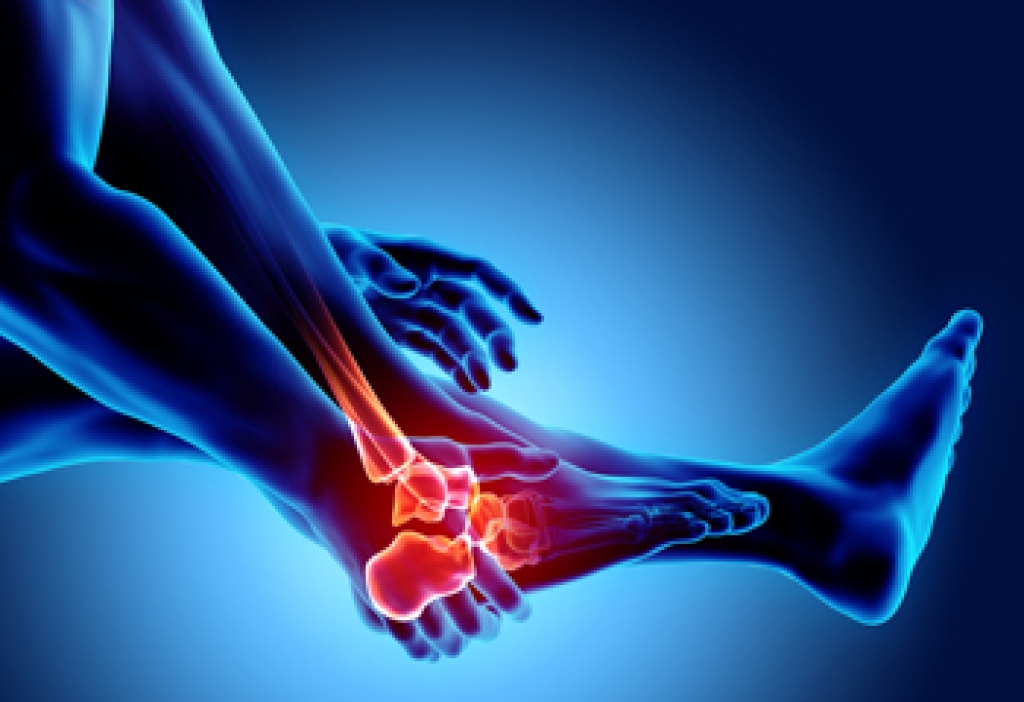
Ankle pain is any condition that causes pain in the ankle. Due to the fact that the ankle consists of tendons, muscles, bones, and ligaments, ankle pain can come from a number of different conditions.

Causes

The most common causes of ankle pain include:

  • Types of arthritis (rheumatoid, osteoarthritis, and gout)
  • Ankle sprains
  • Broken ankles
  • Achilles tendinitis
  • Achilles tendon rupture
  • Stress fractures
  • Tarsal tunnel syndrome
  • Plantar fasciitis

Symptoms

Symptoms of ankle injury vary based upon the condition. Pain may include general pain and discomfort, swelling, aching, redness, bruising, burning or stabbing sensations, and/or loss of sensation.

Diagnosis

Due to the wide variety of potential causes of ankle pain, podiatrists will utilize a number of different methods to properly diagnose ankle pain. This can include asking for personal and family medical histories and of any recent injuries. Further diagnosis may include sensation tests, a physical examination, and potentially x-rays or other imaging tests.

Treatment

Just as the range of causes varies widely, so do treatments. Some more common treatments are rest, ice packs, keeping pressure off the foot, orthotics and braces, medication for inflammation and pain, and surgery.

If you have any questions please feel free to contact our office located in Carrollton, TX . We offer the newest diagnostic tools and technology to treat your foot and ankle needs.

Read more about Ankle Pain

Plantar Warts Can Be Treated!

Plantar warts are small growths that develop on parts of the feet that bear weight. They're typically found on the bottom of the foot. Don't live with plantar warts, and call us today!

How to Avoid Heel Pain From Plantar Fasciitis

Plantar fasciitis, the inflammation of the plantar fascia tissue that runs beneath the foot, is the most common cause of heel pain. In fact, most people who complain of heel pain have plantar fasciitis. This condition is considered to be an overuse injury that causes pain in the heel and bottom of the foot, particularly after exercise. Prevention methods include wearing shoes that provide ample cushioning and proper arch support, slowing your pace when you walk, or taking breaks if walking or standing for long periods is a job requirement. Exercising the feet is another preventative measure because it strengthens the muscles and increases blood flow to the feet. For help with relieving the discomfort of plantar fasciitis, it is a good idea to visit a podiatrist. This foot and ankle specialist can offer treatment options, including stretching and strengthening exercises, that can help to ease the inflammation and pain. 

Plantar fasciitis is a common foot condition that is often caused by a strain injury. If you are experiencing heel pain or symptoms of plantar fasciitis, contact Kellvan Cheng, DPM from Elite Foot & Ankle. Our doctor can provide the care you need to keep you pain-free and on your feet.

What Is Plantar Fasciitis?

Plantar fasciitis is one of the most common causes of heel pain. The plantar fascia is a ligament that connects your heel to the front of your foot. When this ligament becomes inflamed, plantar fasciitis is the result. If you have plantar fasciitis you will have a stabbing pain that usually occurs with your first steps in the morning. As the day progresses and you walk around more, this pain will start to disappear, but it will return after long periods of standing or sitting.

What Causes Plantar Fasciitis?

  • Excessive running
  • Having high arches in your feet
  • Other foot issues such as flat feet
  • Pregnancy (due to the sudden weight gain)
  • Being on your feet very often

There are some risk factors that may make you more likely to develop plantar fasciitis compared to others. The condition most commonly affects adults between the ages of 40 and 60. It also tends to affect people who are obese because the extra pounds result in extra stress being placed on the plantar fascia.

Prevention

  • Take good care of your feet – Wear shoes that have good arch support and heel cushioning.
  • Maintain a healthy weight
  • If you are a runner, alternate running with other sports that won’t cause heel pain

There are a variety of treatment options available for plantar fasciitis along with the pain that accompanies it. Additionally, physical therapy is a very important component in the treatment process. It is important that you meet with your podiatrist to determine which treatment option is best for you.

If you have any questions, please feel free to contact our office located in Carrollton, TX . We offer the newest diagnostic and treatment technologies for all your foot care needs.

 

Read more about Plantar Fasciitis

A Sudden Injury or Gradual Onset May Cause Cuboid Syndrome

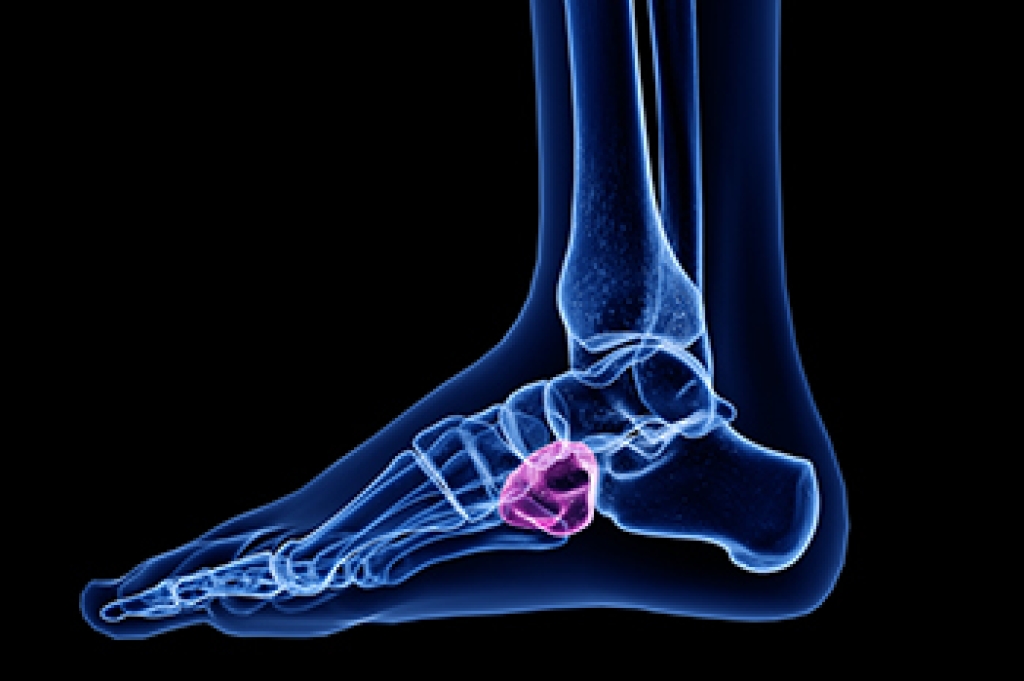
The outside of the foot is generally where pain is felt from cuboid syndrome. This is a foot condition that happens when the small cuboid bone becomes partially dislocated. This can occur suddenly, after an ankle is sprained, or gradually develop from repetitive use. The cuboid bone connects to the heel bone through ligaments and joints. The surrounding soft tissues may be damaged by an injury, and this may trigger the cuboid bone to move out of alignment. Research has shown that cuboid syndrome may be prevalent among people who have flat feet, which may affect the alignment of this bone. Patients can experience symptoms that can include swelling, tenderness, and weakness in the foot. Walking may be difficult, and the pain may become worse when physical activity is pursued. If you have pain in this part of your foot, please consult a podiatrist who can accurately diagnose cuboid syndrome and offer the treatment that is best for you. 

Cuboid syndrome, also known as cuboid subluxation, occurs when the joints and ligaments near the cuboid bone in the foot become torn. If you have cuboid syndrome, consult with Kellvan Cheng, DPM from Elite Foot & Ankle. Our doctor will assess your condition and provide you with quality foot and ankle treatment.

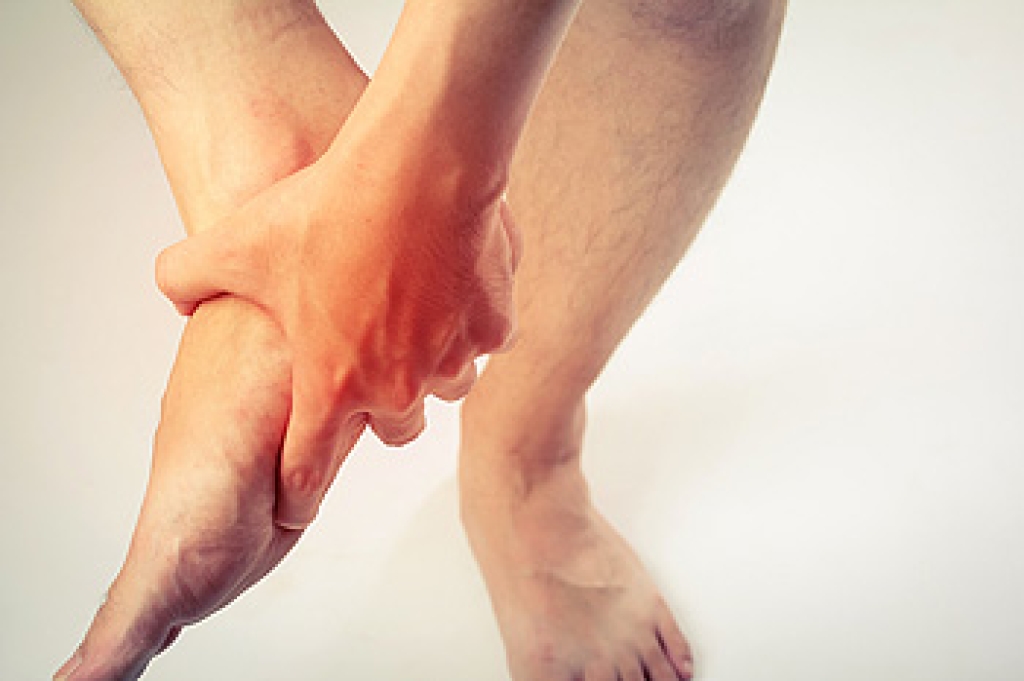
Cuboid syndrome is a common cause of lateral foot pain, which is pain on the outside of the foot. The condition may happen suddenly due to an ankle sprain, or it may develop slowly overtime from repetitive tension through the bone and surrounding structures.

Causes

The most common causes of cuboid syndrome include:

  • Injury – The most common cause of this ailment is an ankle sprain.
  • Repetitive Strain – Tension placed through the peroneus longus muscle from repetitive activities such as jumping and running may cause excessive traction on the bone causing it to sublux.
  • Altered Foot Biomechanics – Most people suffering from cuboid subluxation have flat feet.

Symptoms

A common symptom of cuboid syndrome is pain along the outside of the foot which can be felt in the ankle and toes. This pain may create walking difficulties and may cause those with the condition to walk with a limp.

Diagnosis

Diagnosis of cuboid syndrome is often difficult, and it is often misdiagnosed. X-rays, MRIs and CT scans often fail to properly show the cuboid subluxation. Although there isn’t a specific test used to diagnose cuboid syndrome, your podiatrist will usually check if pain is felt while pressing firmly on the cuboid bone of your foot.

Treatment

Just as the range of causes varies widely, so do treatments. Some more common treatments are ice therapy, rest, exercise, taping, and orthotics.

If you have any questions, please feel free to contact our office located in Carrollton, TX . We offer the newest diagnostic and treatment technologies for all your foot care needs.
Read more about Cuboid Syndrome

What Can Help Swollen Feet?

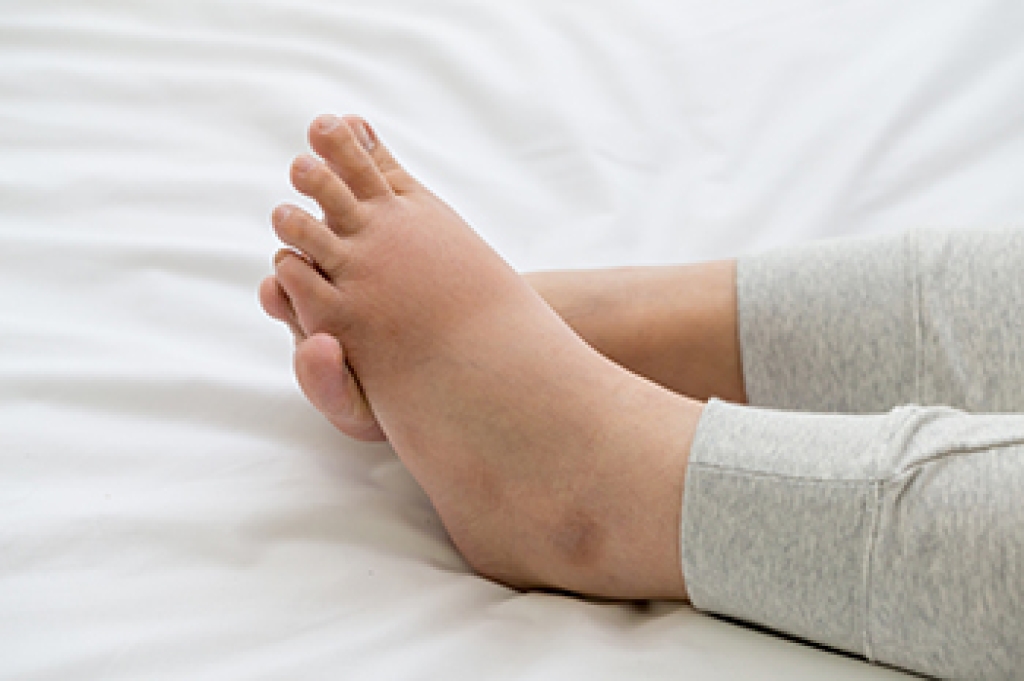
The medical term for swollen feet and ankles is referred to as edema. It can be a common occurrence after a long plane or car ride, or from standing for much of the workday. Specific medical conditions that can include heart failure, kidney disease, or infection may lead to getting swollen feet and can be a side effect of pregnancy. Mild relief may be found when the feet are frequently elevated, in addition to reducing sodium intake. Many people find comfort in putting support stockings on in the morning before the swelling begins for the day. Walking can increase blood flow to the legs, possibly reducing existing swelling, and it is beneficial to walk as often as possible during the day. If you suffer from swollen feet, please consult a podiatrist who can determine what the cause is and offer effective treatment methods.

Swollen feet can be a sign of an underlying condition. If you have any concerns, contact Kellvan Cheng, DPM of Elite Foot & Ankle. Our doctor can provide the care you need to keep you pain-free and on your feet.

Swollen feet are a common ailment among pregnant women and people who stand or sit for extended periods. Aging may increase the possibility of swollen feet and patients who are obese often notice when their feet are swelling too. There may be medical reasons why swollen feet occur:

  • Phlebitis - A condition that causes the veins to become inflamed and can also cause leg pain.
  • Liver disease - This may lead to low blood levels of albumin which is a protein. This can cause fluid in the blood to pass into the tissues and several areas of the body can become swollen.
  • Heart failure - When the heart doesn’t pump properly the blood that is normally pumped back to the heart can pool in the veins of the legs causing swollen feet.
  • Kidney disease - One of the main functions of the kidneys is releasing excess fluid in the body. This type of condition can make it difficult for the kidneys to function properly, and as a result the feet may become swollen.
  • Deep-vein thrombosis (DVT)- This is a serious condition where blood clots form in the veins of the legs. They can block the return of blood from the legs to the heart which may cause the feet to swell. It is important to be treated by a podiatrist if this condition is present.

Swollen feet can also be caused by bone and tendon conditions, including fractures, arthritis, and tendinitis. Additionally, there may be skin and toenail conditions and an infection may cause the feet to swell. Patients who take medicine to treat high blood pressure may be prone to getting swollen feet. 

Many patients elevate their feet to help relieve the swelling and this is generally a temporary remedy. When a podiatrist is consulted the reason behind the swelling can be uncovered and subsequently treated.

If you have any questions please contact our office located in Carrollton, TX . We offer the newest diagnostic and treatment technologies for all your foot and ankle needs.

Read more about Swelling of the Feet

The Feet May Be the First Area to Be Affected by RA

Arthritis can affect any joint in the body, and the most common type is rheumatoid. Many people who have this condition often have foot problems, and the feet can be the first area of the body where pain is noticed. Some of the symptoms that are associated with this can include soreness, swelling, and the affected area in the foot may feel warm when touched. The joints that are commonly affected with this type of arthritis are the smaller joints of the toes. This may hinder the ability to walk, maintain balance, and completing daily tasks may become difficult. Some patients develop skin and nail problems as a result of having rheumatoid arthritis, and it is advised that the advice of a podiatrist is sought who can offer correct treatment remedies.

Arthritis can be a difficult condition to live with. If you are seeking treatment, contact Kellvan Cheng, DPM from Elite Foot & Ankle. Our doctor can provide the care you need to keep you pain-free and on your feet.

Arthritic Foot Care  

Arthritis is a term that is commonly used to describe joint pain.  The condition itself can occur to anyone of any age, race, or gender, and there are over 100 types of it.  Nevertheless, arthritis is more commonly found in women compared to men, and it is also more prevalent in those who are overweight. The causes of arthritis vary depending on which type of arthritis you have. Osteoarthritis for example, is often caused by injury, while rheumatoid arthritis is caused by a misdirected immune system.

Symptoms

  • Swelling
  • Pain
  • Stiffness
  • Decreased Range of Motion

Arthritic symptoms range in severity, and they may come and go. Some symptoms stay the same for several years but could potentially get worse with time. Severe cases of arthritis can prevent its sufferers from performing daily activities and make walking difficult.

Risk Factors

  • Occupation – Occupations requiring repetitive knee movements have been linked to osteoarthritis
  • Obesity – Excess weight can contribute to osteoarthritis development
  • Infection – Microbial agents can infect the joints and trigger arthritis
  • Joint Injuries – Damage to joints may lead to osteoarthritis
  • Age – Risk increases with age
  • Gender –Most types are more common in women
  • Genetics – Arthritis can be hereditary

If you suspect your arthritis is affecting your feet, it is crucial that you see a podiatrist immediately. Your doctor will be able to address your specific case and help you decide which treatment method is best for you.

If you have any questions please feel free to contact our office located in Carrollton, TX . We offer the newest diagnostic tools and technology to treat your foot and ankle needs.

Read more about How to Care for Your Arthritic Foot

Flat Feet Exercises

Flat feet are a condition of the feet and its name is quite literal. Those with flat feet have a foot shape that causes the entire sole of the foot to rest flush against the floor. This condition is, for many different patients, mostly benign. However, it may be a source of pain for many other patients. There are several different exercises that you might be able to perform to mitigate the condition of flat feet. By performing certain foot exercises, it is possible to correct sunken arches. First, someone could consider performing heel stretches. This exercise consists of standing in a lunge-like position and slowly leaning or bending into the stretch several times on each side. A person might even consider rolling a golf ball or tennis ball underneath their feet while in a seated position. Contact a podiatrist today for more information about how performing certain exercises might help you correct flat feet.


Flatfoot is a condition many people suffer from. If you have flat feet, contact Kellvan Cheng, DPM from Elite Foot & Ankle. Our doctor will treat your foot and ankle needs.

What Are Flat Feet?

Flatfoot is a condition in which the arch of the foot is depressed and the sole of the foot is almost completely in contact with the ground. About 20-30% of the population generally has flat feet because their arches never formed during growth.

Conditions & Problems:

Having flat feet makes it difficult to run or walk because of the stress placed on the ankles.

Alignment – The general alignment of your legs can be disrupted, because the ankles move inward which can cause major discomfort.

Knees – If you have complications with your knees, flat feet can be a contributor to arthritis in that area.  

Symptoms

  • Pain around the heel or arch area
  • Trouble standing on the tip toe
  • Swelling around the inside of the ankle
  • Flat look to one or both feet
  • Having your shoes feel uneven when worn

Treatment

If you are experiencing pain and stress on the foot you may weaken the posterior tibial tendon, which runs around the inside of the ankle. 

If you have any questions, please feel free to contact our office located in Carrollton, TX . We offer the newest diagnostic and treatment technologies for all your foot care needs.
Read more about What is Flexible Flat Foot?
Connect with us