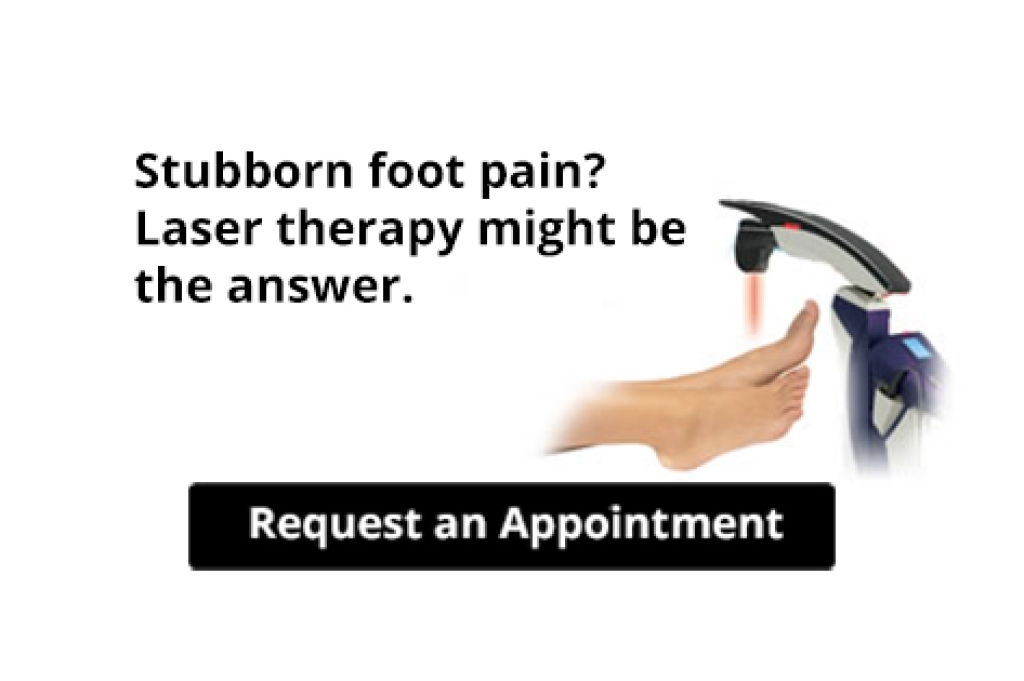
Multiwave Locked System (MLS) laser therapy is an advanced, safe, and effective way to treat heel pain. Contact our office for more information and to see if this treatment is right for you.

Dallas Metro / North Texas
(214) 710-1028
Multiwave Locked System (MLS) laser therapy is an advanced, safe, and effective way to treat heel pain. Contact our office for more information and to see if this treatment is right for you.
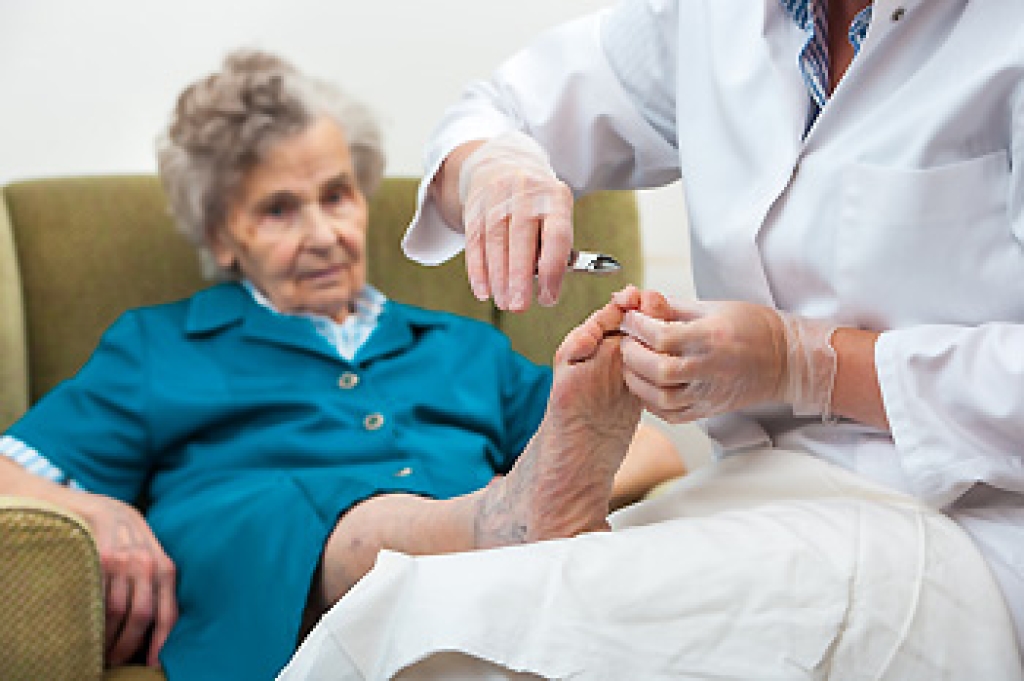 An important task that caregivers perform is to properly care for their elderly patients’ feet. This includes checking the feet daily for any cuts or cracks in the skin, in addition to trimming the toenails correctly. Infections may be common in older people, and this may generally be indicated by bleeding sores, discolored toenails, or blisters that are found on the feet. When the toenails are kept short by being trimmed properly, the risk of scratching the skin and breaking any nails may diminish. This can be achieved by using sterile nail clippers that are only used by one person. A warm foot bath or massage may provide relief from tired and achy feet and circulation may improve. Additionally, it’s beneficial to purchase shoes that fit correctly. This can be accomplished by trying both shoes on to confirm there is adequate room for the toes to move freely in. Consulting a podiatrist is strongly recommended to learn about how infections can be prevented in elders feet.
Proper foot care is something many older adults forget to consider. If you have any concerns about your feet and ankles, contact Kellvan Cheng, DPM from Elite Foot & Ankle. Our doctor can provide the care you need to keep you pain-free and on your feet.
The Elderly and Their Feet
As we age we start to notice many changes in our body, but the elder population may not notice them right away. Medical conditions may prevent the elderly to take notice of their foot health right away. Poor vision is a lead contributor to not taking action for the elderly.
Common Conditions
Susceptible Infections
Diabetes and poor circulation can cause general loss of sensitivity over the years, turning a simple cut into a serious issue.
If you have any questions, please feel free to contact our office located in Carrollton, TX . We offer the newest diagnostic and treatment technologies for all your foot care needs.
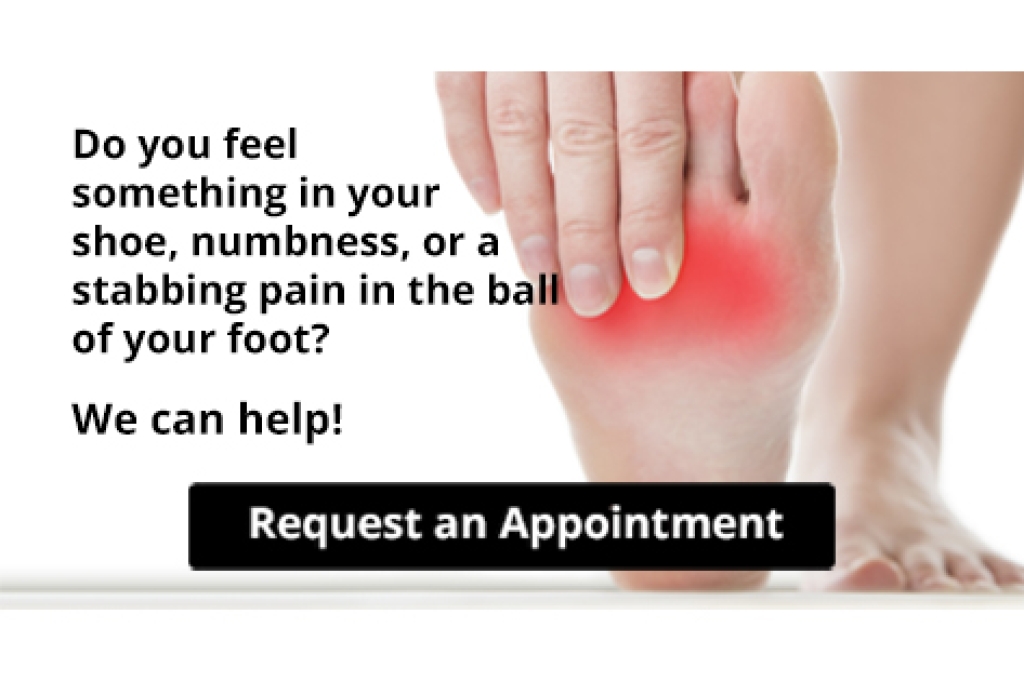
Suffering from this type of pain? You may have the foot condition known as Morton's neuroma. Morton's neuroma may develop as a result of ill-fitting footwear and existing foot deformities. We can help.
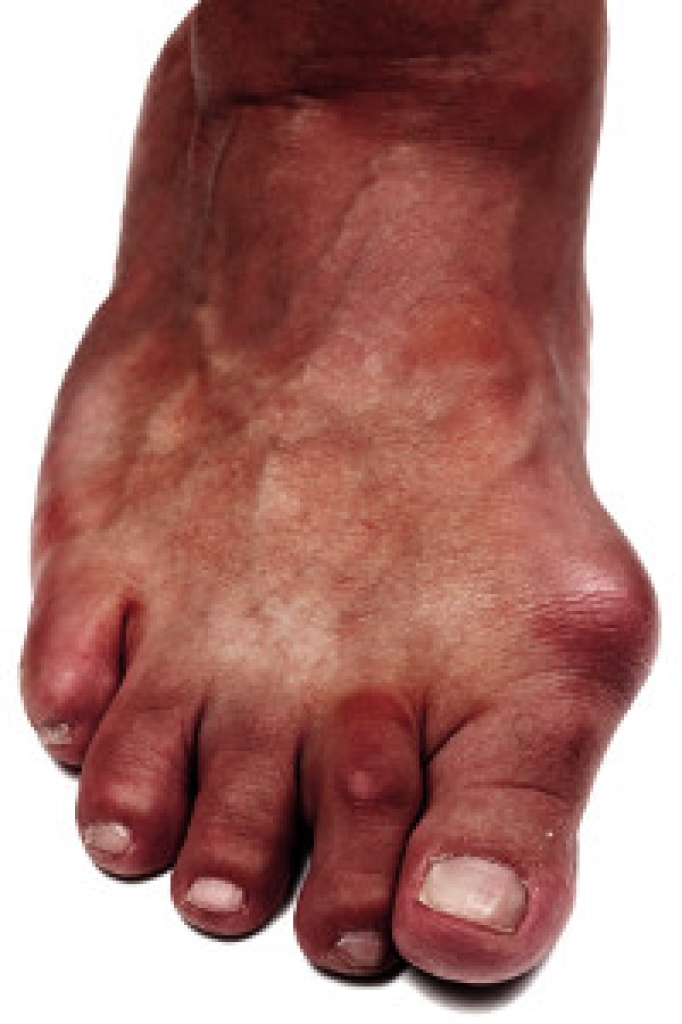
A bunion is an abnormal growth that forms on the bottom of the big toe. Typical symptoms include swelling, pain, and redness surrounding the area of the big toe, and the entire foot may change shape as a result of the bunion. Choosing to wear poorly fitting shoes may cause this condition to develop, in addition to having a family history of bunions. This ailment may be prevented by wearing shoes that have adequate room for the toes to move freely, and shoes with a lower heel are preferred. If you enjoy running or jogging, your feet should be properly supported in running shoes that fit correctly. It’s suggested to schedule a consultation with a podiatrist who is skilled in properly diagnosing this condition. Treatment options can be discussed, which may include custom-made orthotics for temporary relief or surgery for removal of the bunion.
If you are suffering from bunion pain, contact Kellvan Cheng, DPM of Elite Foot & Ankle. Our doctor can provide the care you need to keep you pain-free and on your feet.
What Is a Bunion?
Bunions are painful bony bumps that usually develop on the inside of the foot at the joint of the big toe. As the deformity increases over time, it may become painful to walk and wear shoes. Women are more likely to exacerbate existing bunions since they often wear tight, narrow shoes that shift their toes together. Bunion pain can be relieved by wearing wider shoes with enough room for the toes.
Causes
Symptoms
In order to diagnose your bunion, your podiatrist may ask about your medical history, symptoms, and general health. Your doctor might also order an x-ray to take a closer look at your feet. Nonsurgical treatment options include orthotics, padding, icing, changes in footwear, and medication. If nonsurgical treatments don’t alleviate your bunion pain, surgery may be necessary.
If you have any questions, please feel free to contact our office located in Carrollton, TX . We offer the newest diagnostic and treatment technologies for all your foot care needs.

Have your child's feet been examined lately? Healthy feet are happy feet. If your child is complaining of foot pain, it may be a sign of underlying problems.
 Pronation is defined as “the inward movement of the foot as it rolls to optimally distribute the force of impact on the ground as you run.” (Runner’s World). Pronation is essential in the shock absorption process, because it helps you push off the ball of your foot at the end of your gait cycle. When overpronation occurs, the shock absorption process isn’t performed correctly. Overpronation causes the muscles and tendons in the foot to undergo an excess amount of stress; this may lead to injuries such as plantar fasciitis, achilles tendonitis, and bunions. Nevertheless, underpronation can also occur while running. Underpronation may result in your running shoes wearing out quicker than usual. This problem tends to occur in those who have high arches in their feet or tight achilles tendons.
All runners should take extra precaution when trying to avoid injury. If you have any concerns about your feet, contact Kellvan Cheng, DPM of Elite Foot & Ankle. Our doctor will treat your foot and ankle needs.
How to Prevent Running Injuries
There are a lot of mistakes a runner can make prior to a workout that can induce injury. A lot of athletes tend to overstretch before running, instead of saving those workouts for a post-run routine. Deep lunges and hand-to-toe hamstring pulls should be performed after a workout instead of during a warmup. Another common mistake is jumping into an intense routine before your body is physically prepared for it. You should try to ease your way into long-distance running instead of forcing yourself to rush into it.
More Tips for Preventing Injury
If you have any questions, please feel free to contact our office located in Carrollton, TX . We offer the newest diagnostic and treatment technologies for all your foot care needs.
 Wearing high heels may possibly be the reason why many women experience foot pain. Despite the fact that most women think high heels flatter the appearance of their legs, several issues may develop as a result of wearing this type of shoe. When high heels are worn, the foot is often in an unnatural position, which may inhibit blood circulation to the feet. The purpose of the Achilles tendon is to connect the calf to the heel. A disadvantage of wearing high heels is that heels may cause this tendon to become stiff and inflamed, possibly resulting in the development of additional foot ailments. Recent research has shown that moderation is the key to wearing high heels, and limiting the number of days they are worn may benefit the overall well-being of the foot. If you experience discomfort and pain from wearing high heels, please consult with a podiatrist to learn about proper stretching techniques for the foot.
High heels have a history of causing foot and ankle problems. If you have any concerns about your feet or ankles, contact Kellvan Cheng, DPM from Elite Foot & Ankle. Our doctor can provide the care you need to keep you pain-free and on your feet.
Effects of High Heels on the Feet
High heels are popular shoes among women because of their many styles and societal appeal. Despite this, high heels can still cause many health problems if worn too frequently.
Which Parts of My Body Will Be Affected by High Heels?
What Kinds of Foot Problems Can Develop from Wearing High Heels?
How Can I Still Wear High Heels and Maintain Foot Health?
If you want to wear high heeled shoes, make sure that you are not wearing them every day, as this will help prevent long term physical problems. Try wearing thicker heels as opposed to stilettos to distribute weight more evenly across the feet. Always make sure you are wearing the proper shoes for the right occasion, such as sneakers for exercising. If you walk to work, try carrying your heels with you and changing into them once you arrive at work. Adding inserts to your heels can help cushion your feet and absorb shock. Full foot inserts or metatarsal pads are available.
If you have any questions, please feel free to contact our office located in Carrollton, TX . We offer the newest diagnostic and treatment technologies for all your foot care needs.

Your feet are covered most of the day. If you're diabetic, periodic screening is important for good health. Numbness is often a sign of diabetic foot and can mask a sore or wound.
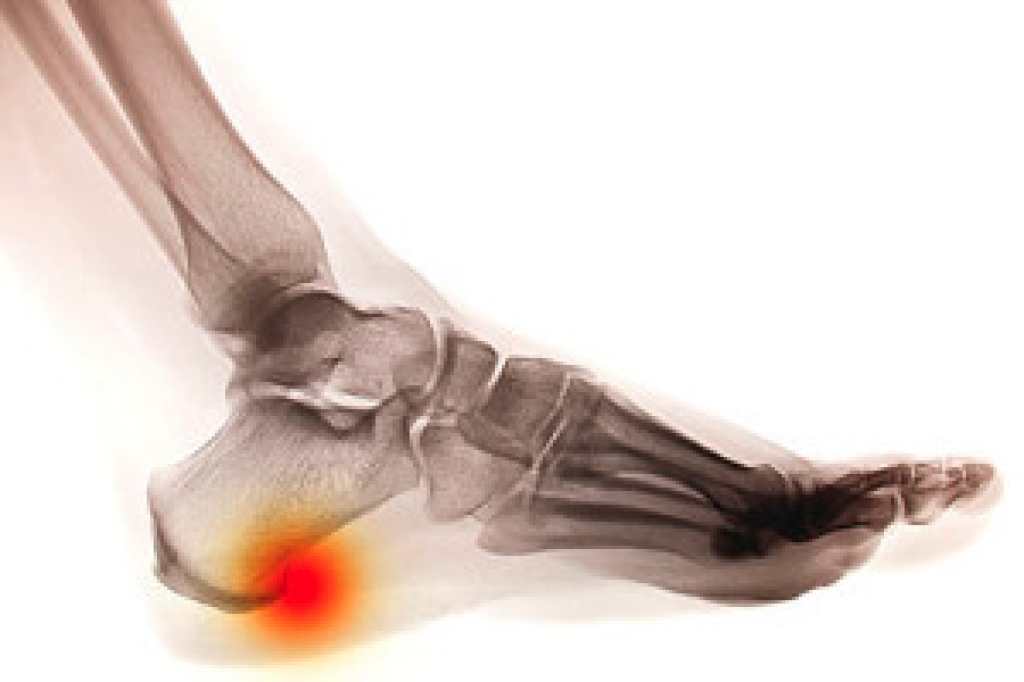 A condition referred to as a heel spur is typically caused by repetitive stress placed on the foot. Gradually, a small protrusion forms on the bottom of the heel, and often produces severe pain. As a result, walking may become difficult, which may affect the gait. Research has shown that it is suggested to stop the activity that has caused the heel spur to develop, followed by implementing proper treatment methods. These may consist of injections that to provide relief, in addition to performing stretching techniques that may help in maintaining an accepted level of comfort. Surgery may be an additional option for permanently removing the heel spur and improving the general mobility of the entire foot. Most patients experience heel pain which typically precedes a proper diagnosis, and should not be ignored. Please consider scheduling a consultation with a podiatrist for additional information on how to properly treat heel spurs.
Heel spurs can be incredibly painful and sometimes may make you unable to participate in physical activities. To get medical care for your heel spurs, contact Kellvan Cheng, DPM from Elite Foot & Ankle. Our doctor will do everything possible to treat your condition.
Heels Spurs
Heel spurs are formed by calcium deposits on the back of the foot where the heel is. This can also be caused by small fragments of bone breaking off one section of the foot, attaching onto the back of the foot. Heel spurs can also be bone growth on the back of the foot and may grow in the direction of the arch of the foot.
Older individuals usually suffer from heel spurs and pain sometimes intensifies with age. One of the main condition's spurs are related to is plantar fasciitis.
Pain
The pain associated with spurs is often because of weight placed on the feet. When someone is walking, their entire weight is concentrated on the feet. Bone spurs then have the tendency to affect other bones and tissues around the foot. As the pain continues, the feet will become tender and sensitive over time.
Treatments
There are many ways to treat heel spurs. If one is suffering from heel spurs in conjunction with pain, there are several methods for healing. Medication, surgery, and herbal care are some options.
If you have any questions, please feel free to contact our office located in Carrollton, TX . We offer the newest diagnostic and treatment technologies for all your foot care needs.