
Dallas Metro / North Texas
(214) 710-1028

Possible Reasons Poor Circulation May Develop

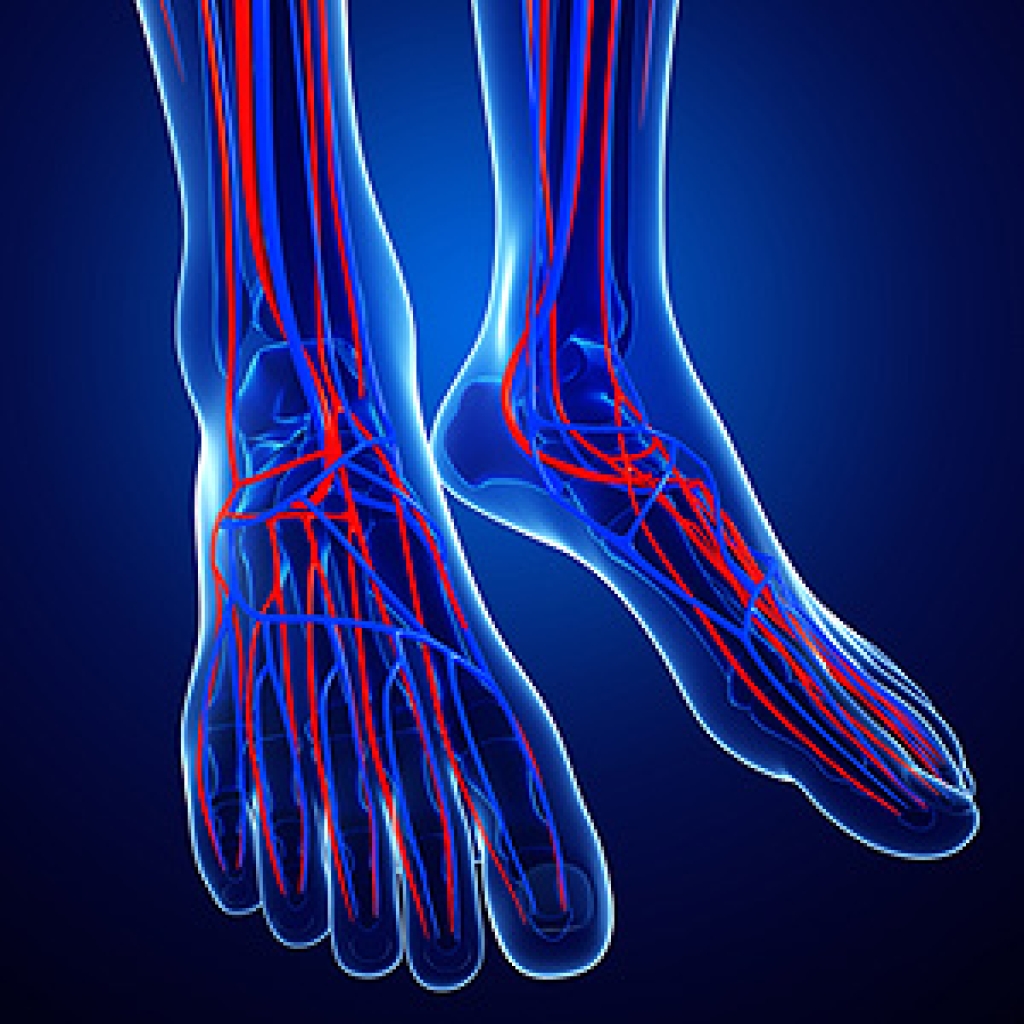
There are numerous symptoms that are associated with poor circulation. Many patients may experience leg cramps, difficulty in healing, or the absence of a pulse in the feet. The condition known as peripheral artery disease (PAD) may be a reason for poor circulation to develop. This condition may gradually produce additional symptoms, including nerve or tissue damage, numbness, or a tingling sensation. Patients who have diabetes may have difficulty sensing foot pain caused by poor circulation. People who are overweight may sit for extended periods of time, and this may lead to the onset of this ailment. If you have any of these symptoms, it is strongly suggested to speak with a podiatrist who can guide you toward proper treatment.

While poor circulation itself isn’t a condition; it is a symptom of another underlying health condition you may have. If you have any concerns with poor circulation in your feet contact Kellvan Cheng, DPM of Elite Foot & Ankle. Our doctor will treat your foot and ankle needs.

Poor Circulation in the Feet

Peripheral artery disease (PAD) can potentially lead to poor circulation in the lower extremities. PAD is a condition that causes the blood vessels and arteries to narrow. In a linked condition called atherosclerosis, the arteries stiffen up due to a buildup of plaque in the arteries and blood vessels. These two conditions can cause a decrease in the amount of blood that flows to your extremities, therefore resulting in pain.

Symptoms

Some of the most common symptoms of poor circulation are:

  • Numbness
  • Tingling
  • Throbbing or stinging pain in limbs
  • Pain
  • Muscle Cramps

Treatment for poor circulation often depends on the underlying condition that causes it. Methods for treatment may include insulin for diabetes, special exercise programs, surgery for varicose veins, or compression socks for swollen legs.

As always, see a podiatrist as he or she will assist in finding a regimen that suits you. A podiatrist can also prescribe you any needed medication. 

If you have any questions, please feel free to contact our office located in Carrollton, TX . We offer the newest diagnostic and treatment technologies for all your foot care needs.
Read more about Causes Symptoms and Treatment for Poor Circulation in the Feet

Are Flip Flops Dangerous to Wear?

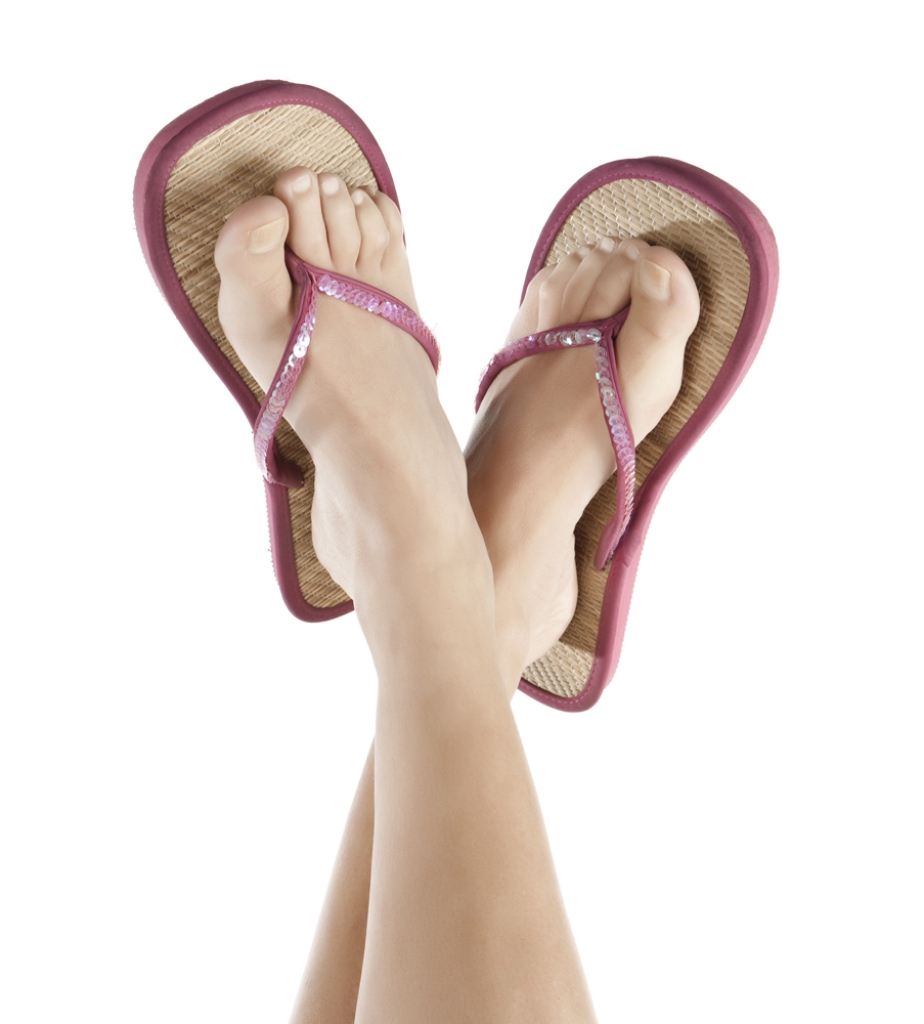
Many people enjoy wearing flip flops, and may be unaware of the potential damage they may cause to the feet. When they are worn for extended periods of time, the ligaments in the arch may become strained. This may lead to pain in the heel and surrounding areas, and can be quite uncomfortable. There is typically little support in the ankle area, and this may lead to ankle sprains. Additionally, the toes may overcompensate for the lack of support in the front of the shoe, and a condition known as hammertoe may develop. If you want to wear flip flops for the majority of the day, it may be beneficial to choose shoes that have a supportive outer sole, which may be helpful in providing the stability the feet need. If you would like additional information about how flip flops may affect the feet, it is suggested to consult with a podiatrist.

Flip-flops are not always the best choice of footwear. If you have any concerns about your feet or ankles, contact Kellvan Cheng, DPM from Elite Foot & Ankle. Our doctor will assist you with all of your foot and ankle needs.

Flip-Flops and Feet

When the weather starts warming up, people enjoy wearing flip-flops.  Flip-flops are comfortable, stylish, and easy to slip on and off; they're perfect for any summer beach goer.  However, these shoes can cause harm to the feet.

How Can Flip-Flops Affect Me Long-Term?

  • Ankle problems
  • Hip problems
  • Lower back problems
  • Pain in the balls of the feet
  • Problems with foot arches
  • Changes in the way you walk

Are There Injuries Associated with Flip-Flops?

Yes.  Since flip-flops are relatively weak and do not provide the same amount of support as sneakers, people who wear flip-flops regularly are more susceptible to injuries. On top of that, the open nature of the shoe makes your feet more prone to other problems, such as cuts and even infections.  Common injuries and ailments include:

  • Sprained ankles
  • Blisters
  • Infections
  • Cuts and Scrapes

I like Wearing Flip-Flops. Are There Safe Alternatives?

When buying flip-flops, try to find ones that have sturdy soles and that are made of high-quality materials that will support for your feet.  These flip-flops will cost more but will also last longer as a result.

If you have any questions, please feel free to contact our office located in Carrollton, TX . We offer the newest diagnostic and treatment technologies for all your foot care needs.
Read more about Flip Flops and Your Feet

Heel Balm for Cracked Heels

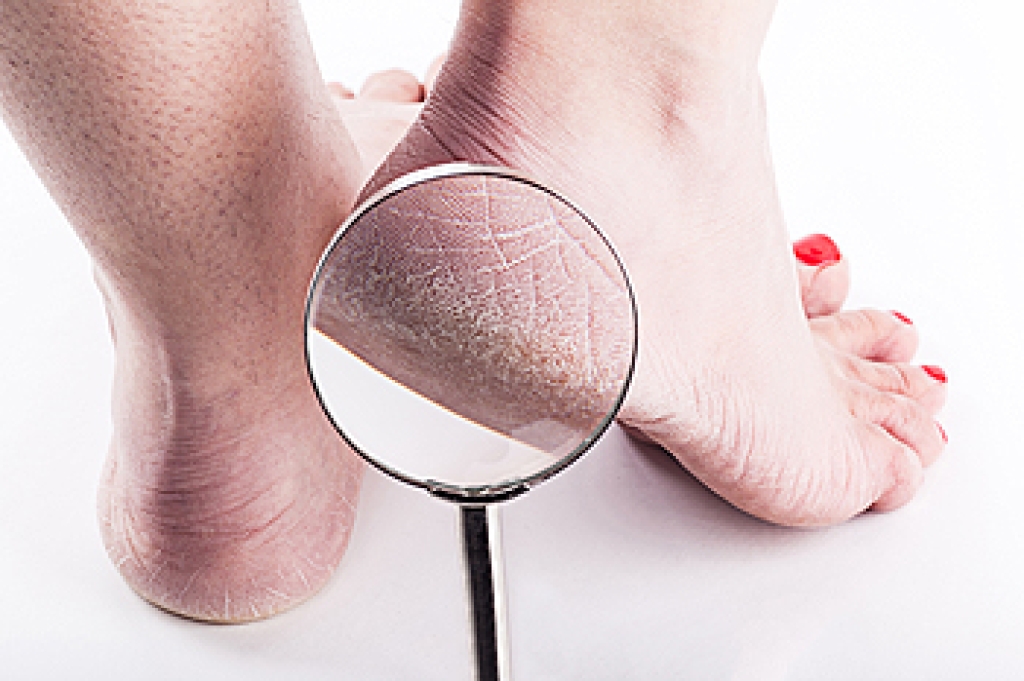
Cracked heels are a common condition caused by dryness on the heel of the foot. Cracked heels can range from minor dryness that causes mild discomfort when barefoot, to deep cracks that cause pain. There are a couple ways to help alleviate symptoms of cracked heels from home. One of the simplest ways is to apply heel balm or a thick moisturizer. Balms help to moisturize, soften, and exfoliate dead skin. The ingredients that help to do this are urea, salicylic acid, alpha-hydroxy acids, and saccharide isomerate. Heel balms are easy to find, they can be bought at a drugstore or ordered online. Sometimes, heel balms might result in minor irritation. Minor irritation is normal, but if you experience continual irritation or more extreme reactions, then it is best to stop using the balm. If you have cracked heels and would like to learn about more ways to treat them, then it is strongly suggested you speak with a podiatrist.

Cracked heels are unsightly and can cause further damage to your shoes and feet. If you have any concerns, contact Kellvan Cheng, DPM from Elite Foot & Ankle. Our doctor can provide the care you need to keep you pain-free and on your feet.

Cracked Heels

Cracked heels appear unappealing and can make it harder for you walk around in sandals. Aside from looking unpleasant, cracked heels can also tear stockings, socks, and wear out your shoes. There are several methods to help restore a cracked heel and prevent further damage.

How Do You Get Them?

Dry skin is the number one culprit in creating cracked heels. Many athletes, walkers, joggers, and even swimmers suffer from cracked heels. Age and skin oil production play a role to getting cracked heels as well.

Promote Healing

Over the counter medicines can help, especially for those that need instant relief or who suffer from chronic dry feet.

Wear Socks – Wearing socks with medicated creams helps lock in moisture.

Moisturizers – Applying both day and night will help alleviate dryness which causes cracking.

Pumice Stones – These exfoliate and remove dead skin, which allows for smoother moisturizer application and better absorption into the skin. 

Change in Diet

Eating healthy with a well-balanced diet will give the skin a fresh and radiant look. Your body responds to the kinds of food you ingest. Omega-3 fatty acids and zinc supplements can also revitalize skin tissue.

Most importantly, seek professional help if unsure how to proceed in treating cracked heels. A podiatrist will help you with any questions or information needed. 

If you have any questions, please feel free to contact our office located in Carrollton, TX . We offer the newest diagnostic and treatment technologies for all your foot care needs.
Read more about Solutions for Cracked Heels

Symptoms of a Broken Toe

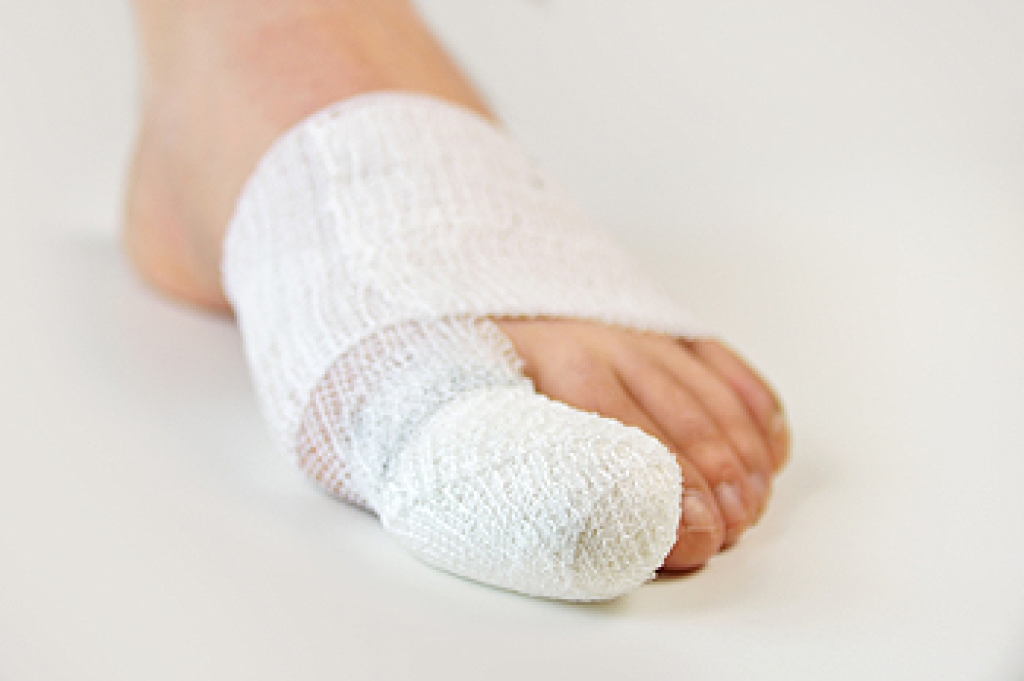
There are several ways a broken toe may occur. These may include dropping a heavy object on the toe, stubbing it on a piece of furniture, or consistent impact that can cause a stress fracture. One of the first symptoms felt may be severe pain. Many people may also notice bruising and swelling around the affected toe and surrounding areas. A cast may be needed if the fracture is severe, and the toe may look deformed. After the injury occurs, it can be beneficial to elevate the foot, and this can be helpful in reducing any swelling that may be present. Some patients find that support and stability may be increased if the affected toe is taped to the toe next to it. As the healing process begins, it is important to rest the foot as often as possible. When the splint or tape is removed, the toe's range of motion can increase as stretching exercises are performed. If you have broken your toe, it is advised that you speak to a podiatrist who can recommend the correct treatment.

Broken toes may cause a lot of pain and should be treated as soon as possible. If you have any concerns about your feet, contact Kellvan Cheng, DPM from Elite Foot & Ankle. Our doctor will treat your foot and ankle needs.

What Is a Broken Toe?

A broken toe occurs when one or more of the toe bones of the foot are broken after an injury. Injuries such as stubbing your toe or dropping a heavy object on it may cause a toe fracture.

Symptoms of a Broken Toe

  • Swelling
  • Pain (with/without wearing shoes)
  • Stiffness
  • Nail Injury

Although the injured toe should be monitored daily, it is especially important to have a podiatrist look at your toe if you have severe symptoms. Some of these symptoms include worsening or new pain that is not relieved with medication, sores, redness, or open wounds near the toe.

If you have any questions please feel free to contact our office located in Carrollton, TX . We offer the newest diagnostic tools and technology to treat your foot and ankle needs.

Read more about What to Know About a Broken Toe

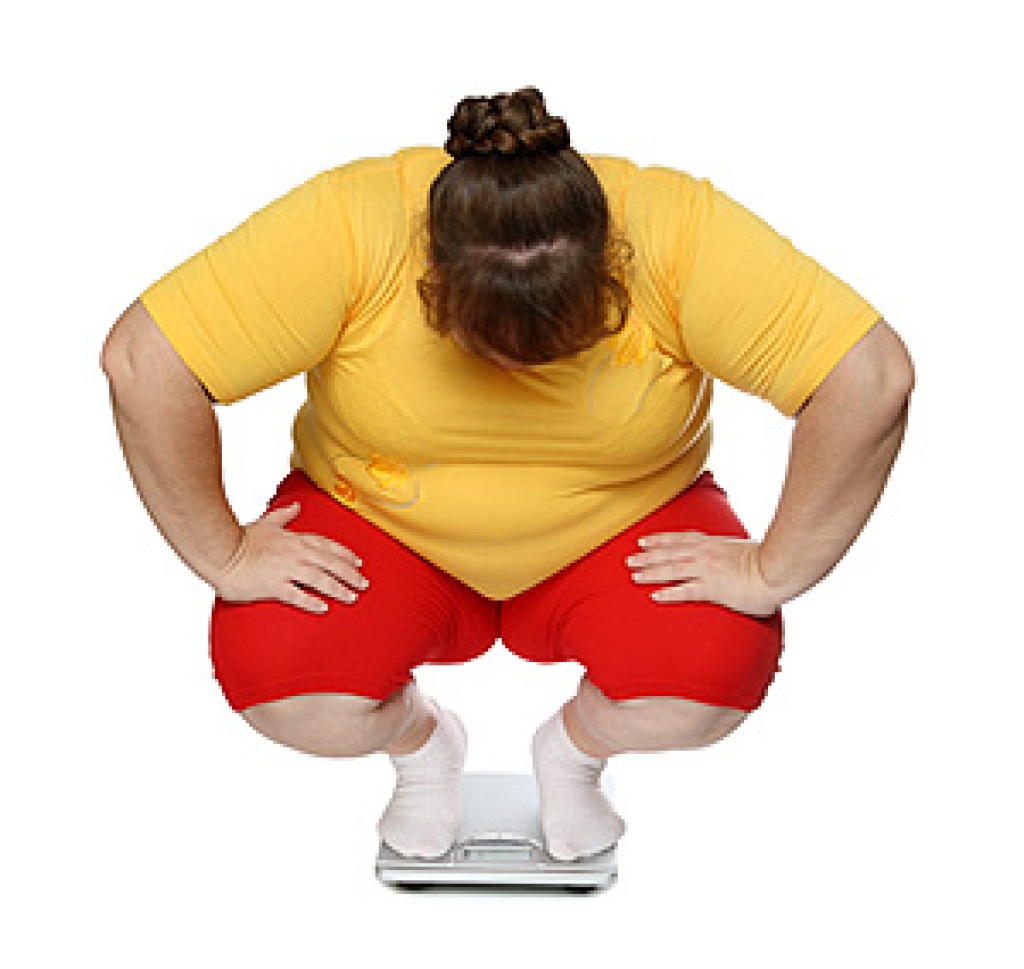
Obesity May Be a Cause of Plantar Fasciitis

Research has shown patients who are overweight may develop heel pain. This may be a result of the excess pressure that is exerted on the heel, and may lead to the uncomfortable condition known as plantar fasciitis. Practicing consistent exercise is often recommended to lose additional weight, and this may be difficult to accomplish if chronic heel pain is present. There may be other types of heel pain that can develop as a result of being obese. These may include flat feet, bunions, or certain types of arthritis. If you are overweight, and have chronic foot pain, it is strongly suggested that you seek the counsel of a podiatrist who can properly assist you in treating any foot pain you may have.

Obesity has become very problematic at this point in time and can have extremely negative effects on the feet. If you’re an obese individual and are concerned about your feet, contact Kellvan Cheng, DPM from Elite Foot & Ankle. Our doctor can provide the care you need to keep you pain-free and on your feet.

Obesity and Your Feet

Since your feet are what support your entire weight when standing, any additional weight can result in pain and swelling. Being overweight is one of the main contributors to foot complications.

Problems & Complications

Extra Weight – Even putting on just a few extra pounds could create serious complications for your feet. As your weight increases, your balance and body will shift, creating new stresses on your feet. This uneven weight distribution can cause pain, even while doing the simplest tasks, such as walking.

Diabetes – People who are overweight are at serious risk of developing type-2 diabetes, which has a drastic impact on the health of your feet. As you get older, your diabetes might worsen, which could lead to loss of feeling in your feet, sores, and bruises. You could also become more prone to various infections.

Plantar fasciitis – Pressure and stress that is placed on muscles, joints, and tendons can trigger plantar fasciitis, which is an inflammation of tissue that forms along the bottom of the foot. 

If you have any questions, please feel free to contact our office located in Carrollton, TX . We offer the newest diagnostic and treatment technologies for all your foot care needs.

Read more about How Obesity Affects Your Feet
Connect with us