Dallas Metro / North Texas
(214) 710-1028

Why Cracked Heels Develop and How to Protect Your Skin

Cracked heels, also known as heel fissures, occur when the skin on the heel becomes dry, thickened, and unable to stretch properly under pressure. This condition often affects the outer edges of the heel where the skin expands during standing and walking. Without adequate moisture and elasticity, the skin splits, creating visible cracks that can deepen over time. Cracked heels are a common foot concern and can range from mild dryness to painful fissures that interfere with daily movement.

Symptoms typically begin with dry and rough skin that may appear flaky or scaly. As the condition progresses, the skin thickens and forms calluses around the heel. Visible cracks may develop, sometimes accompanied by redness or irritation. In more advanced cases, the fissures can become painful and may even bleed, especially when pressure is applied during walking. If left untreated, deep cracks can increase the risk of infection and further skin breakdown.


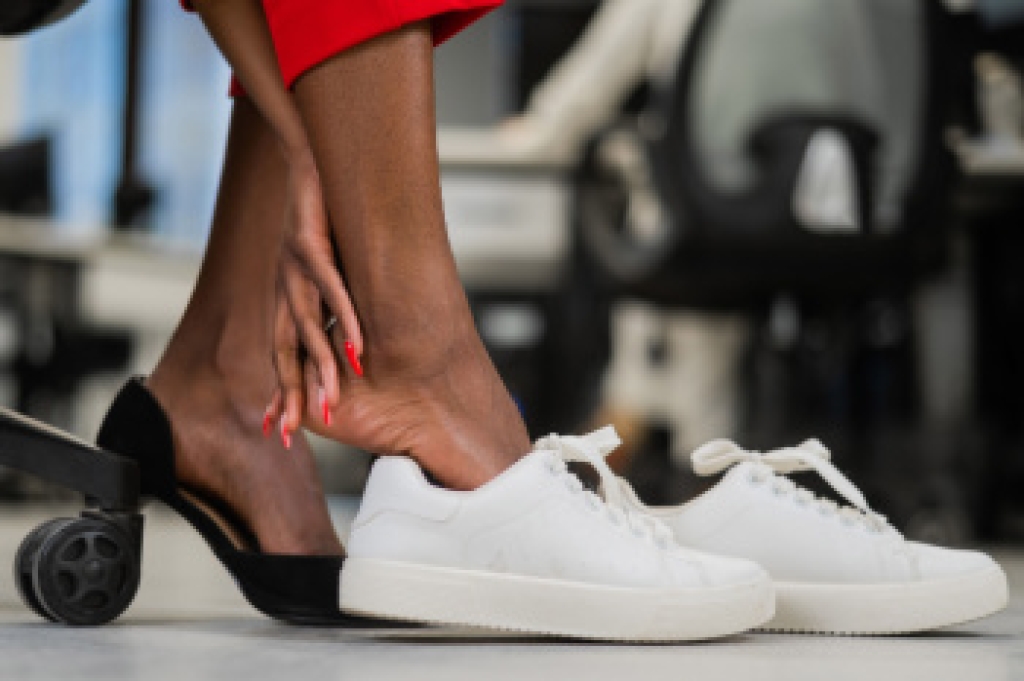
Several risk factors contribute to the development of cracked heels. Prolonged standing, especially on hard surfaces, places repeated stress on the heel. Wearing open-backed or poorly fitting shoes can allow the heel to expand excessively, leading to skin splitting. Dry climates, dehydration, and inadequate foot care also play a role. Individuals with certain medical conditions, such as diabetes or skin disorders, may be more prone to severe dryness and cracking.


The primary cause of cracked heels is a combination of dry skin and mechanical pressure. Prevention focuses on consistent foot maintenance, including regular moisturizing, gentle exfoliation, and wearing supportive footwear. Keeping the skin hydrated helps maintain flexibility and reduces the risk of fissures. If cracked heels are present or worsening, it is suggested that you consult a podiatrist for effective treatment, which may include prescribed medication.

If the skin on your feet starts to crack, you may want to see a podiatrist to find treatment. If you have any concerns, contact Kellvan Cheng, DPM from Elite Foot & Ankle. Our doctor can provide the care you need to keep you pain-free and on your feet.

Cracked Heels

It is important to moisturize your cracked heels in order to prevent pain, bleeding, and infection. The reason cracked heels form is because the skin on the foot is too dry to support the immense pressure placed on them. When the foot expands, the dry skin on the foot begins to split.

Ways to Help Heal Them

  • Invest in a good foot cream
  • Try Using Petroleum Jelly
  • Ease up on Soaps
  • Drink Plenty of Water

Ways to Prevent Cracked Heels

  • Moisturize After Showering
  • Skip a Shower
  • Keep Shower Water Lukewarm
  • Don’t Scrub Your Feet

If you are unsure how to proceed in treating cracked heels, seek guidance from a podiatrist. Your doctor will help you with any questions or information you may need. 

If you have any questions, please feel free to contact our office located in Carrollton, TX . We offer the newest diagnostic and treatment technologies for all your foot care needs.

Read more about Solutions for Cracked Heels

How to Properly Fit Shoes for Healthy Feet

Proper shoe fitting is essential for maintaining foot health and preventing common foot problems. Shoes that fit correctly support natural movement, reduce pressure points, and improve overall comfort during daily activities. Wearing ill-fitting shoes can lead to pain, instability, and long-term complications. Learning how to measure and select the right shoe size helps protect the feet and supports proper alignment. A well-fitted shoe should provide enough room for the toes, secure support around the heel, and balanced cushioning throughout the foot.

To achieve an accurate fit, it is important to measure the feet at the end of the day when they are slightly swollen. Wearing the same type of socks that will be used with the shoes can also improve accuracy. Another helpful method is to trace the foot on paper and compare the outline against a shoe size chart. Trying on both shoes and walking around allows for a better sense of fit and support.


Wearing shoes that do not fit properly can lead to a range of foot problems. Common issues include blisters, bunions, hammertoes, and toenail damage. Shoes that are too tight may cause pressure and irritation, while shoes that are too loose can lead to instability and friction. These problems can affect posture, walking patterns, and overall foot function. Poor shoe fit may also contribute to heel pain, arch strain, and nerve irritation.


Choosing the right shoes and ensuring a proper fit can improve comfort, reduce injury risk, and support long-term foot health. Paying attention to sizing, width, and support features helps create a better fit for daily activities and exercise. Regularly checking shoe condition and replacing worn footwear is also important for maintaining support. If you have foot pain or difficulty finding shoes that fit properly, it is suggested that you consult a podiatrist for effective relief tips and guidance on proper shoe fit.

It is important to find shoes that fit you properly in order to avoid a variety of different foot problems. For more information about treatment, contact Kellvan Cheng, DPM from Elite Foot & Ankle. Our doctor will treat your foot and ankle needs.

Proper Shoe Fitting

Shoes have many different functions. They cushion our body weight, protect our feet, and allow us to safely play sports. You should always make sure that the shoes you wear fit you properly in order to avoid injuries and deformities such as: bunions, corns, calluses, hammertoes, plantar fasciitis, stress fractures, and more. It is important to note that although a certain pair of shoes might be a great fit for someone else, that doesn’t mean they will be a great fit for you. This is why you should always try on shoes before buying them to make sure they are worth the investment. Typically, shoes need to be replaced ever six months to one year of regular use.

Tips for Proper Shoe Fitting

  • Select a shoe that is shaped like your foot
  • Don’t buy shoes that fit too tight, expecting them to stretch to fit
  • Make sure there is enough space (3/8” to ½”) for your longest toe at the end of each shoe when you are standing up
  • Walk in the shoes to make sure they fit and feel right
  • Don’t select shoes by the size marked inside the shoe, but by how the shoe fits your foot

The shoes you buy should always feel as good as they look. Shoes that fit properly will last longer, feel better, and improve your way of life each day.

If you have any questions please contact our office located in Carrollton, TX . We offer the newest diagnostic and treatment technologies for all your foot and ankle needs.

Read more about How to Get a Proper Shoe Fit

Why Diabetic Foot Care Is Essential for Healthy Feet

Healthy feet are especially important for people with diabetes because even a small foot problem can become serious without prompt care. Diabetic foot care plays an important role in protecting mobility and overall health. Diabetes can reduce feeling in the feet because nerves become damaged. This problem is called neuropathy, which means nerve damage. Reduced feeling makes it harder to notice cuts, blisters, or pressure points before they become serious. Diabetes can also reduce blood flow, slowing healing and increasing the risk of infection. Regular foot exams by a podiatrist help identify problems early and protect long-term foot health.

A podiatrist examines the skin, nails, and circulation to look for early warning signs. Care includes checking for wounds, evaluating foot shape, and recommending shoes with proper support. A podiatrist also explains how diabetes affects the feet and monitors changes that increase the chance of ulcers. An ulcer is an open sore that can become infected without prompt treatment. Early care helps lower the risk of serious complications and supports safer movement every day.

Ignoring early foot changes can allow small problems to become much more difficult to treat. Routine visits with a podiatrist provide careful monitoring and timely treatment that protects comfort and mobility. Professional care also helps detect circulation changes and nerve damage before serious complications develop. Patients who have diabetes benefit from consistent evaluations because small injuries can quickly become larger concerns when reduced feeling delays treatment. Regular appointments also give your podiatrist the opportunity to answer questions and recommend shoe features that reduce pressure while walking. If you are diabetic and have developed foot problems,  it is strongly suggested that you are under the care of a podiatrist who can help you to manage this serious condition.

Diabetic foot care is important in preventing foot ailments such as ulcers. If you are suffering from diabetes or have any other concerns about your feet, contact Kellvan Cheng, DPM from Elite Foot & Ankle. Our doctor can provide the care you need to keep you pain-free and on your feet.

Diabetic Foot Care

Diabetes affects millions of people every year. The condition can damage blood vessels in many parts of the body, especially the feet. Because of this, taking care of your feet is essential if you have diabetes, and having a podiatrist help monitor your foot health is highly recommended.

The Importance of Caring for Your Feet

  • Routinely inspect your feet for bruises or sores.
  • Wear socks that fit your feet comfortably.
  • Wear comfortable shoes that provide adequate support.

Patients with diabetes should have their doctor monitor their blood levels, as blood sugar levels play such a huge role in diabetic care. Monitoring these levels on a regular basis is highly advised.

It is always best to inform your healthcare professional of any concerns you may have regarding your feet, especially for diabetic patients. Early treatment and routine foot examinations are keys to maintaining proper health, especially because severe complications can arise if proper treatment is not applied.

If you have any questions, please feel free to contact our office located in Carrollton, TX . We offer the newest diagnostic and treatment technologies for all your foot care needs.

Read more about Diabetic Foot Care

Causes of Foot Pain While Cycling

Cycling is a low-impact activity, but it places repeated pressure on the feet with every pedal stroke. Long rides, hot weather, and shoes that fit too tightly can lead to numbness, burning sensations, or sore soles. Feet naturally swell while exercising, and stiff cycling shoes sometimes leave little room for that change. Pain can also develop when cycling cleats are not positioned correctly or when the bike fit places too much pressure on certain parts of the foot. Some cyclists notice discomfort in the arch. Others feel pain in the ball of the foot or tingling in the toes. In some cases, a thickened nerve between the toes causes burning pain or numbness. This condition develops when the nerve becomes irritated by repeated pressure.

A podiatrist carefully examines the feet to determine why cycling causes discomfort. The evaluation includes checking foot structure, joint movement, and areas of pressure. The podiatrist also looks for conditions like bunions and flat feet that can make cycling painful. Shoe fit and cleat position are also reviewed because both affect how force moves through the foot while pedaling. Even a small adjustment can reduce pressure on sensitive areas. Persistent numbness, burning, or pain that continues after a ride deserves prompt attention, because it can point to a condition that requires professional treatment.

Treatment depends on the cause of the pain and focuses on relieving pressure while improving foot function. A podiatrist can prescribe custom orthotics that support the feet inside cycling shoes and distribute pressure more evenly. Cleat placement and bike position can be evaluated to reduce stress on the forefoot and arch. Early diagnosis helps prevent symptoms from becoming more severe and allows cyclists to ride with greater comfort and confidence. If you have foot pain related to cycling, it is suggested that you schedule an appointment with a podiatrist for effective relief and treatment solutions.

Ankle and foot injuries are common among athletes and in many sports. They can be caused by several problems and may be potentially serious. If you are feeling pain or think you were injured in a sporting event or when exercising, consult with Kellvan Cheng, DPM from Elite Foot & Ankle. Our doctor will assess your condition and provide you with quality foot and ankle treatment.

Common Injuries

The most common injuries that occur in sporting activities include:

  • Achilles Tendonitis
  • Achilles Tendon Rupture
  • Ankle Sprains
  • Broken Foot
  • Plantar Fasciitis
  • Stress Fractures
  • Turf Toe

Symptoms

Symptoms vary depending upon the injury and in some cases, there may be no symptoms at all. However, in most cases, some form of symptom is experienced. Pain, aching, burning, bruising, tenderness, tightness or stiffness, sensation loss, difficulty moving, and swelling are the most common symptoms.

Treatment

Just as symptoms vary depending upon the injury, so do treatment options. A common treatment method is known as the RICE method. This method involves rest, applying ice, compression and elevating the afflicted foot or ankle. If the injury appears to be more serious, surgery might be required, such as arthroscopic or reconstructive surgery. Lastly, rehabilitation or therapy might be needed to gain full functionality in the afflicted area. Any discomfort experienced by an athlete must be evaluated by a licensed, reputable medical professional.  

If you have any questions please contact our office located in Carrollton, TX . We offer the newest diagnostic and treatment technologies for all your foot and ankle needs.

Read more about Sports Related Foot and Ankle Injuries

Do Your Child's Feet Hurt?

Have your child's feet been examined lately? Healthy feet are happy feet. If your child is complaining of foot pain, it may be a sign of underlying problems.

Connect with us