Dallas Metro / North Texas
(214) 710-1028

When Foot Structure Matters With Recurring Ingrown Toenails

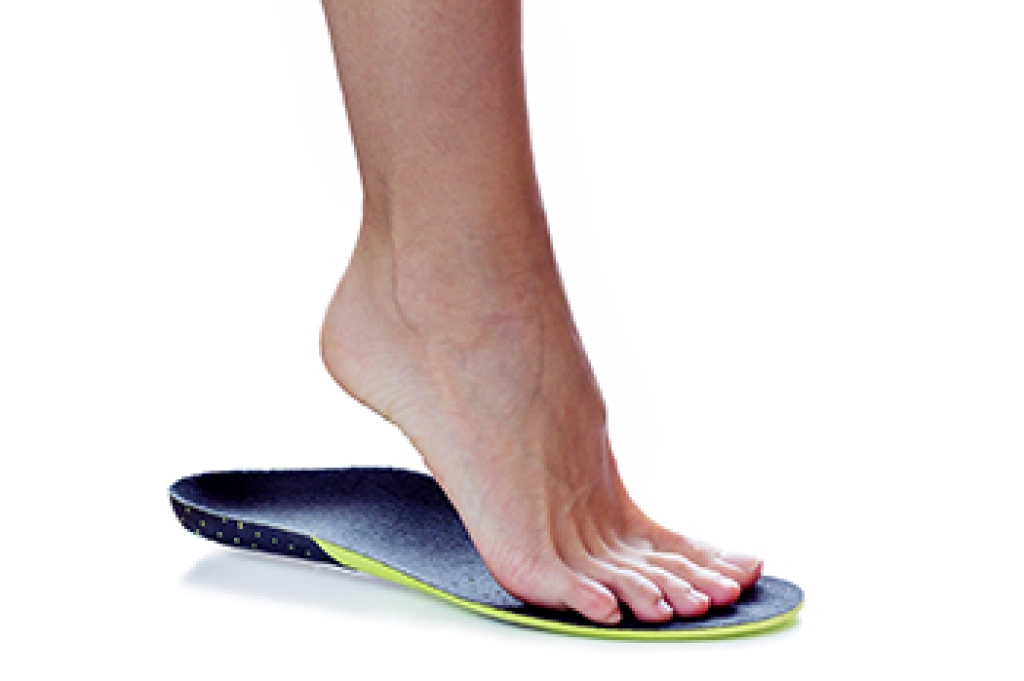
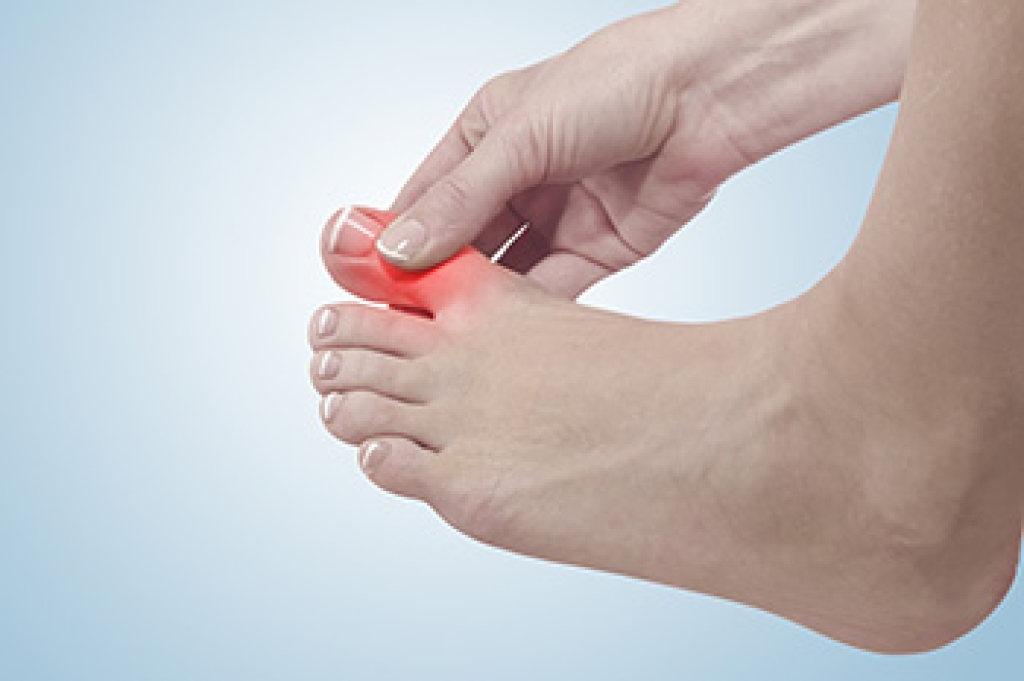
Ingrown toenails are often blamed on trimming habits or wearing tight shoes, but underlying foot structure can sometimes influence how often the problem returns. In most cases, changes to overall foot alignment are not needed to prevent or manage this condition. Many people develop ingrown nails despite having otherwise typical foot mechanics. There are situations, however, where a flattened arch changes how pressure is distributed across the forefoot. This altered loading can increase stress along the edges of the toenails, especially while walking or standing for long periods of time. Gradually, that added pressure may worsen nail irritation or make healing more difficult after treatment. Addressing footwear, nail care, and pressure relief usually remains the primary focus, but structural factors may be considered in select cases. If ingrown toenails are persistent or painful, it is suggested that you see a podiatrist for a proper diagnosis and appropriate treatment.

Ingrown toenails can become painful if they are not treated properly. For more information about ingrown toenails, contact Kellvan Cheng, DPM of Elite Foot & Ankle. Our doctor can provide the care you need to keep you pain-free and on your feet.

Ingrown Toenails

Ingrown toenails occur when a toenail grows sideways into the bed of the nail, causing pain, swelling, and possibly infection.

Causes

  • Bacterial infections
  • Improper nail cutting such as cutting it too short or not straight across
  • Trauma to the toe, such as stubbing, which causes the nail to grow back irregularly
  • Ill-fitting shoes that bunch the toes too close together
  • Genetic predisposition

Prevention

Wearing proper fitting shoes and using proper cutting techniques will also help decrease your risk of developing ingrown toenails.

Treatment

Ingrown toenails are a very treatable foot condition. In minor cases, soaking the affected area in salt or antibacterial soaps will not only help with the ingrown nail itself, but also help prevent any infections from occurring. In more severe cases, surgery is an option. In either case, speaking to your podiatrist about this condition will help you get a better understanding of specific treatment options that are right for you.

If you have any questions, please feel free to contact our office located in Carrollton, TX . We offer the newest diagnostic and treatment technologies for all your foot care needs.

Read more about Ingrown Toenail Care

What Are Plantar Warts?

Plantar warts are small growths that develop on the soles of the feet due to infection from the human papillomavirus, or HPV. This virus enters the skin through tiny cuts or abrasions, often in warm and moist environments like locker rooms or public showers. Risk factors include walking barefoot in shared spaces, weakened immunity, and direct contact with contaminated surfaces. Plantar warts may appear as rough, grainy lesions with tiny black dots in the center, and can cause pain while walking or standing. They sometimes grow inward because of pressure on the foot. A podiatrist can diagnose and safely treat plantar warts with effective in-office procedures. If you think you have developed a plantar wart, it is suggested that you consult a podiatrist who can offer effective relief solutions.

Plantar warts can be very uncomfortable. If you need your feet checked, contact Kellvan Cheng, DPM from Elite Foot & Ankle. Our doctor will assist you with all of your foot and ankle needs.

About Plantar Warts

Plantar warts are the result of HPV, or human papillomavirus, getting into open wounds on the feet. They are mostly found on the heels or balls of the feet.

While plantar warts are generally harmless, those experiencing excessive pain or those suffering from diabetes or a compromised immune system require immediate medical care. Plantar warts are easily diagnosed, usually through scraping off a bit of rough skin or by getting a biopsy.

Symptoms

  • Lesions on the bottom of your feet, usually rough and grainy
  • Hard or thick callused spots
  • Wart seeds, which are small clotted blood vessels that look like little black spots
  • Pain, discomfort, or tenderness of your feet when walking or standing

Treatment

  • Freezing
  • Electric tool removal
  • Laser Treatment
  • Topical Creams (prescription only)
  • Over-the-counter medications

To help prevent developing plantar warts, avoid walking barefoot over abrasive surfaces that can cause cuts or wounds for HPV to get into. Avoiding direct contact with other warts, as well as not picking or rubbing existing warts, can help prevent the further spread of plantar warts. However, if you think you have developed plantar warts, speak to your podiatrist. He or she can diagnose the warts on your feet and recommend the appropriate treatment options.

If you have any questions, please feel free to contact our office located in Carrollton, TX . We offer the newest diagnostic and treatment technologies for all your foot care needs.

Read more about Plantar Warts

Treatment for Foot Puncture Wounds

Puncture wounds to the feet are often caused by sharp objects, such as nails, glass, or thorns. Animal bites.might also cause puncture wounds. They should never be considered minor injuries. Even the smallest puncture wounds can trap bacteria deep beneath the skin. If care is delayed, this increases the risk of infection, abscess formation, joint involvement, or bone infection. Symptoms may initially appear mild, but pain, swelling, redness, or drainage can develop days or even weeks later. A podiatrist evaluates the depth, location, and cause of the injury, checks for retained foreign material, and assesses surrounding nerves, tendons, joints, and bone. Diagnostic imaging and laboratory testing may be used to detect hidden damage or early infection. Prompt medical management can significantly reduce the risk of serious complications for people with diabetes, who may lack sensation in the feet. For help with foot pain caused by a puncture, it is suggested that you make an appointment with a podiatrist for an exam, diagnosis, and treatment.

Wound care is an important part in dealing with diabetes. If you have diabetes and a foot wound or would like more information about wound care for diabetics, consult with Kellvan Cheng, DPM from Elite Foot & Ankle. Our doctor will assess your condition and provide you with quality foot and ankle treatment.

What Is Wound Care?

Wound care is the practice of taking proper care of a wound. This can range from the smallest to the largest of wounds. While everyone can benefit from proper wound care, it is much more important for diabetics. Diabetics often suffer from poor blood circulation which causes wounds to heal much slower than they would in a non-diabetic. 

What Is the Importance of Wound Care?

While it may not seem apparent with small ulcers on the foot, for diabetics, any size ulcer can become infected. Diabetics often also suffer from neuropathy, or nerve loss. This means they might not even feel when they have an ulcer on their foot. If the wound becomes severely infected, amputation may be necessary. Therefore, it is of the upmost importance to properly care for any and all foot wounds.

How to Care for Wounds

The best way to care for foot wounds is to prevent them. For diabetics, this means daily inspections of the feet for any signs of abnormalities or ulcers. It is also recommended to see a podiatrist several times a year for a foot inspection. If you do have an ulcer, run the wound under water to clear dirt from the wound; then apply antibiotic ointment to the wound and cover with a bandage. Bandages should be changed daily and keeping pressure off the wound is smart. It is advised to see a podiatrist, who can keep an eye on it.

If you have any questions please contact our office located in Carrollton, TX . We offer the newest diagnostic and treatment technologies for all your foot and ankle needs.


Read more about Wound Care

Causes of a Bruised Heel Bone

A bruised heel bone happens when it absorbs excessive force that overwhelms the natural cushioning protecting it while walking and standing. This type of injury often develops after repetitive impact from running, jumping, or spending long hours on hard surfaces. It can also result from a sudden hard landing on the heel. Risk factors include changes in activity level, reduced shock absorption in footwear, increased body weight, and age-related thinning of the heel pad. Symptoms include deep heel soreness, tenderness with pressure, and pain that intensifies with weight bearing. A podiatrist can determine whether the pain is caused by a bruise or another condition, assess foot mechanics, and identify factors that increase heel stress. Treatment may include protective strategies, supportive devices, and a structured plan to reduce pressure on the heel. If you feel pain in your heel bone, it is suggested that you make an appointment with a podiatrist for an exam, diagnosis, and treatment.

Many people suffer from bouts of heel pain. For more information, contact Kellvan Cheng, DPM of Elite Foot & Ankle. Our doctor can provide the care you need to keep you pain-free and on your feet.

Causes of Heel Pain

Heel pain is often associated with plantar fasciitis. The plantar fascia is a band of tissues that extends along the bottom of the foot. A rip or tear in this ligament can cause inflammation of the tissue.

Achilles tendonitis is another cause of heel pain. Inflammation of the Achilles tendon will cause pain from fractures and muscle tearing. Lack of flexibility is also another symptom.

Heel spurs are another cause of pain. When the tissues of the plantar fascia undergo a great deal of stress, it can lead to ligament separation from the heel bone, causing heel spurs.

Why Might Heel Pain Occur?

  • Wearing ill-fitting shoes                
  • Wearing non-supportive shoes
  • Weight change           
  • Excessive running

Treatments

Heel pain should be treated as soon as possible for immediate results. Keeping your feet in a stress-free environment will help. If you suffer from Achilles tendonitis or plantar fasciitis, applying ice will reduce the swelling. Stretching before an exercise like running will help the muscles. Using all these tips will help make heel pain a condition of the past.

If you have any questions, please feel free to contact our office located in Carrollton, TX . We offer the newest diagnostic and treatment technologies for all your foot care needs.

Read more about Heel Pain
Connect with us