

Dallas Metro / North Texas
(214) 710-1028

Runners and Plantar Fasciitis

Plantar fasciitis is a common condition that occurs when the thick band of tissue connecting the heel to the toes becomes inflamed. Overuse, especially in runners, repetitive stress, or sudden increases in activity can lead to microtears in the plantar fascia. Symptoms often include sharp heel pain, particularly in the morning or after periods of inactivity, swelling, and discomfort when walking or standing for long periods. Risk factors include flat feet, high arches, obesity, improper footwear, and tight calf muscles. A podiatrist can diagnose plantar fasciitis through a thorough evaluation, recommend targeted treatments such as stretching exercises, custom orthotics, or supportive footwear, and provide strategies to prevent recurrence. If you are a runner and have persistent heel pain, it is suggested that you schedule an appointment with a podiatrist who can offer effective relief and treatment solutions.

Plantar fasciitis can be very painful and inconvenient. If you are experiencing heel pain or symptoms of plantar fasciitis, contact Kellvan Cheng, DPM  from Elite Foot & Ankle. Our doctor can provide the care you need to keep you pain-free and on your feet.

What Is Plantar Fasciitis?

Plantar fasciitis is the inflammation of the thick band of tissue that runs along the bottom of your foot, known as the plantar fascia, and causes mild to severe heel pain.

What Causes Plantar Fasciitis?

  • Excessive running
  • Non-supportive shoes
  • Overpronation
  • Repeated stretching and tearing of the plantar fascia

How Can It Be Treated?

  • Conservative measures – anti-inflammatories, ice packs, stretching exercises, physical therapy, orthotic devices
  • Shockwave therapy – sound waves are sent to the affected area to facilitate healing and are usually used for chronic cases of plantar fasciitis
  • Surgery – usually only used as a last resort when all else fails. The plantar fascia can be surgically detached from the heel

While very treatable, plantar fasciitis is definitely not something that should be ignored. Especially in severe cases, speaking to your doctor right away is highly recommended to avoid complications and severe heel pain. Your podiatrist can work with you to provide the appropriate treatment options tailored to your condition.

If you have any questions, please feel free to contact our office located in Carrollton, TX . We offer the newest diagnostic and treatment technologies for all your foot care needs.
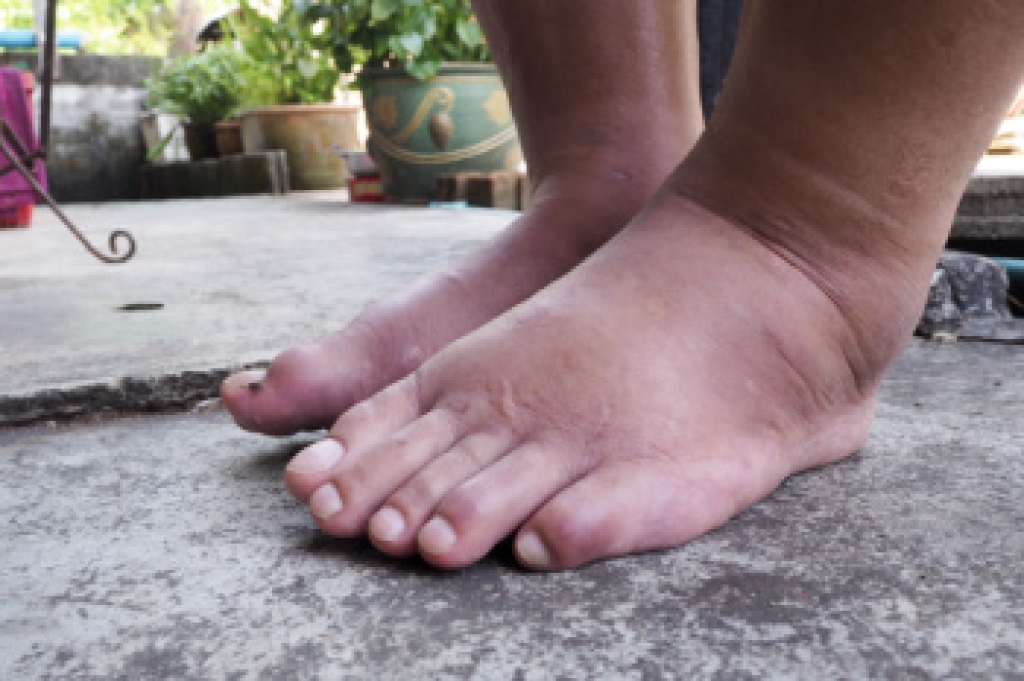

Read more about Plantar Fasciitis

Symptoms and Risk Factors for a Broken Foot

A broken foot occurs when one or more of the 26 bones in the foot fracture due to injury or stress. These bones include the metatarsals, phalanges, tarsals, and heel bone, all of which are vital to balance and mobility. A break can result from accidents, falls, sports injuries, or dropping something heavy on the foot. Symptoms vary depending on severity but often include sudden pain, swelling, bruising, and an inability to bear weight. In severe cases, the bone may protrude through the skin or cause visible deformity. People with improper footwear or weakened bones are more likely to experience foot fractures. A podiatrist can help by ordering X-rays to determine the location and extent of the injury and recommend appropriate treatment, which may involve immobilization or surgery. If you have broken a bone in the foot, it is suggested that you make an appointment with a podiatrist for a diagnosis and guidance on returning to activities.

A broken foot requires immediate medical attention and treatment. If you need your feet checked, contact Kellvan Cheng, DPM from Elite Foot & Ankle. Our doctor can provide the care you need to keep you pain-free and on your feet.

Broken Foot Causes, Symptoms, and Treatment

A broken foot is caused by one of the bones in the foot typically breaking when bended, crushed, or stretched beyond its natural capabilities. Usually the location of the fracture indicates how the break occurred, whether it was through an object, fall, or any other type of injury. 

Common Symptoms of Broken Feet:

  • Bruising
  • Pain
  • Redness
  • Swelling
  • Blue in color
  • Numbness
  • Cold
  • Misshapen
  • Cuts
  • Deformities

Those that suspect they have a broken foot shoot seek urgent medical attention where a medical professional could diagnose the severity.

Treatment for broken bones varies depending on the cause, severity and location. Some will require the use of splints, casts or crutches while others could even involve surgery to repair the broken bones. Personal care includes the use of ice and keeping the foot stabilized and elevated.

If you have any questions, please feel free to contact our office located in Carrollton, TX . We offer the newest diagnostic and treatment technologies for all your foot care needs.

Read more about Causes, Symptoms, and Treatment for a Broken Foot

The Appearance of Plantar Warts

Plantar warts are small growths that develop on the bottom of the feet, often on the heels or toes, where pressure and friction occur. They are caused by the human papillomavirus, which enters the skin through tiny cuts or breaks. These warts may appear as rough, grainy bumps with black pinpoints and can cause pain or discomfort when walking or standing. Because they can spread or become persistent, professional care is important. A podiatrist can accurately diagnose plantar warts, remove them safely, and provide treatment to prevent recurrence. If you have pain or notice unusual spots on your heels or toes, it is suggested that you consult a podiatrist for an expert evaluation and appropriate treatment solutions. 

Plantar warts can be very uncomfortable. If you need your feet checked, contact Kellvan Cheng, DPM from Elite Foot & Ankle. Our doctor will assist you with all of your foot and ankle needs.

About Plantar Warts

Plantar warts are the result of HPV, or human papillomavirus, getting into open wounds on the feet. They are mostly found on the heels or balls of the feet.

While plantar warts are generally harmless, those experiencing excessive pain or those suffering from diabetes or a compromised immune system require immediate medical care. Plantar warts are easily diagnosed, usually through scraping off a bit of rough skin or by getting a biopsy.

Symptoms

  • Lesions on the bottom of your feet, usually rough and grainy
  • Hard or thick callused spots
  • Wart seeds, which are small clotted blood vessels that look like little black spots
  • Pain, discomfort, or tenderness of your feet when walking or standing

Treatment

  • Freezing
  • Electric tool removal
  • Laser Treatment
  • Topical Creams (prescription only)
  • Over-the-counter medications

To help prevent developing plantar warts, avoid walking barefoot over abrasive surfaces that can cause cuts or wounds for HPV to get into. Avoiding direct contact with other warts, as well as not picking or rubbing existing warts, can help prevent the further spread of plantar warts. However, if you think you have developed plantar warts, speak to your podiatrist. He or she can diagnose the warts on your feet and recommend the appropriate treatment options.

If you have any questions, please feel free to contact our office located in Carrollton, TX . We offer the newest diagnostic and treatment technologies for all your foot care needs.
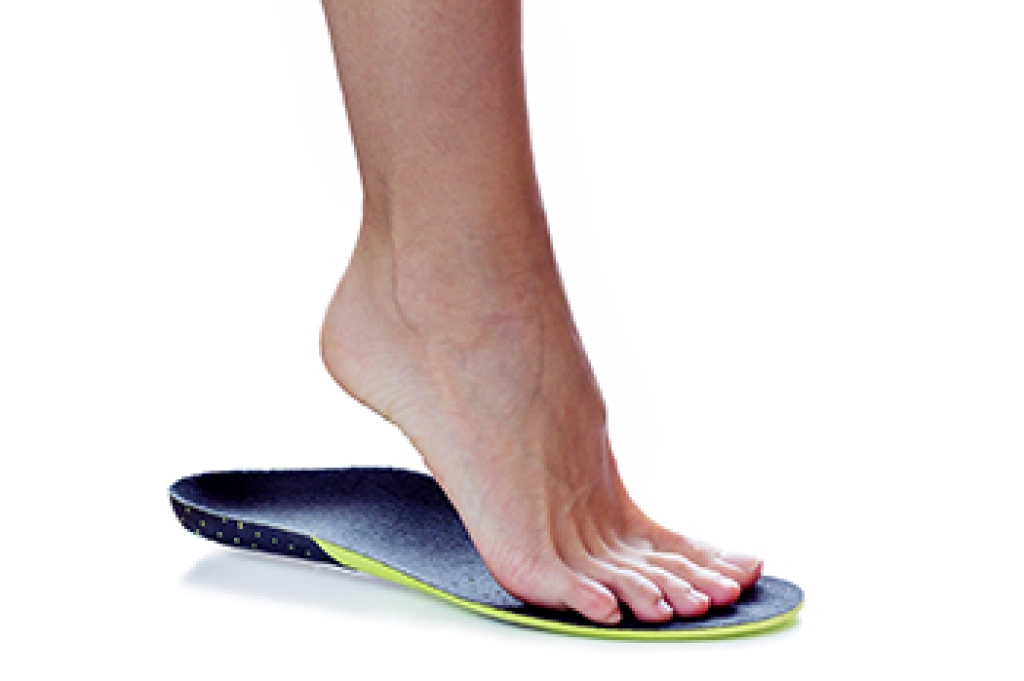
Read more about All About Plantar Warts

Understanding Morton’s Neuroma

Morton’s neuroma is a painful condition affecting the ball of the foot. It occurs when the tissue surrounding a nerve, often between the third and fourth toes, becomes thickened, causing pain, burning, or a sensation of something being wedged in the shoe. The pain can worsen when walking, standing, or wearing tight shoes. The primary cause of Morton’s neuroma is excessive pressure or irritation on the nerve, often from wearing high heels, tight shoes, or engaging in repetitive activities, like running. Foot deformities, such as bunions or hammertoes, can also increase the risk. A podiatrist can help diagnose Morton’s neuroma through a physical exam and imaging tests. Treatments include wearing custom orthotics, padding, or shoe modifications to reduce pressure on the affected area. In more severe cases, corticosteroid injections or even surgery may be recommended. If you have pain in this part of your foot , it is suggested that you schedule an appointment with a podiatrist for appropriate treatment.

Morton’s neuroma is a very uncomfortable condition to live with. If you think you have Morton’s neuroma, contact Kellvan Cheng, DPM of Elite Foot & Ankle. Our doctor will attend to all of your foot care needs and answer any of your related questions.  

Morton’s Neuroma

Morton's neuroma is a painful foot condition that commonly affects the areas between the second and third or third and fourth toe, although other areas of the foot are also susceptible. Morton’s neuroma is caused by an inflamed nerve in the foot that is being squeezed and aggravated by surrounding bones.

What Increases the Chances of Having Morton’s Neuroma?

  • Ill-fitting high heels or shoes that add pressure to the toe or foot
  • Jogging, running or any sport that involves constant impact to the foot
  • Flat feet, bunions, and any other foot deformities

Morton’s neuroma is a very treatable condition. Orthotics and shoe inserts can often be used to alleviate the pain on the forefront of the feet. In more severe cases, corticosteroids can also be prescribed. In order to figure out the best treatment for your neuroma, it’s recommended to seek the care of a podiatrist who can diagnose your condition and provide different treatment options.

If you have any questions, please feel free to contact our office located in Carrollton, TX . We offer the newest diagnostic and treatment technologies for all your foot care needs.

Read more about What is Morton's Neuroma?

We Can Treat Your Foot or Ankle Pain

Foot or ankle pain can negatively affect your day-to-day life and can occur due to several different conditions. Pain can also be an indicator of a more serious underlying condition, which is why you should seek professional help as soon as you notice any abnormalities in your feet.

Connect with us