
Dallas Metro / North Texas
(214) 710-1028

Appropriate Treatment for Tarsal Tunnel Syndrome

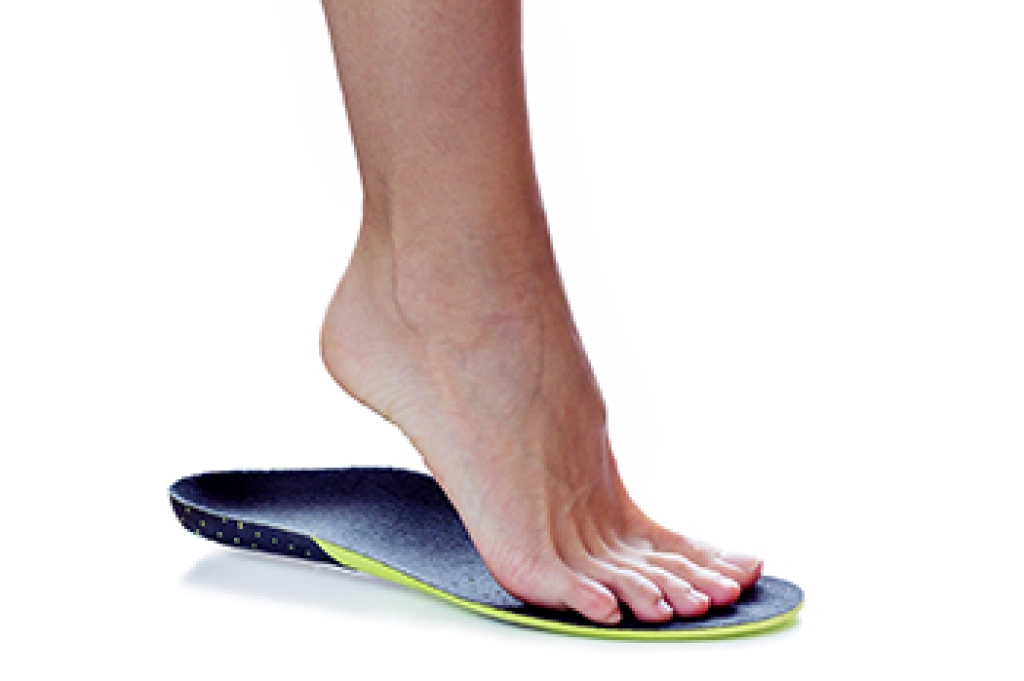
Tarsal tunnel syndrome develops when the tibial nerve is compressed as it passes through the tarsal tunnel on the inside of the ankle. This pressure can cause burning, tingling, numbness, and shooting pain that may radiate into the foot. Other signs include weakness in the foot muscles and increased discomfort with activity. Diagnosis often involves a physical examination, nerve testing, and imaging, like MRI scans, to identify compression or structural abnormalities. Risk factors include flat feet, ankle injuries, inflammation, and space-occupying lesions. A podiatrist can provide proper evaluation, recommend orthotics or supportive devices, and design a treatment plan to reduce nerve pressure. If you have pain in this part of your foot, it is suggested that you consult a podiatrist for an accurate diagnosis and appropriate treatment.

Tarsal tunnel syndrome can be very uncomfortable to live with. If you are experiencing tarsal tunnel syndrome, contact Kellvan Cheng, DPM of Elite Foot & Ankle. Our doctor can provide the care you need to keep you pain-free and on your feet.

Tarsal Tunnel Syndrome

Tarsal tunnel syndrome, which can also be called tibial nerve dysfunction, is an uncommon condition of misfiring peripheral nerves in the foot. The tibial nerve is the peripheral nerve in the leg responsible for sensation and movement of the foot and calf muscles. In tarsal tunnel syndrome, the tibial nerve is damaged, causing problems with movement and feeling in the foot of the affected leg.

Common Cause of Tarsal Tunnel Syndrome

  • Involves pressure or an injury, direct pressure on the tibial nerve for an extended period of time, sometimes caused by other body structures close by or near the knee.
  • Diseases that damage nerves, including diabetes, may cause tarsal tunnel syndrome.
  • At times, tarsal tunnel syndrome can appear without an obvious cause in some cases.

The Effects of Tarsal Tunnel Syndrome

  • Different sensations, an afflicted person may experience pain, tingling, burning or other unusual sensations in the foot of the affected leg.
  • The foot muscles, toes and ankle become weaker, and curling your toes or flexing your foot can become difficult.
  • If condition worsens, infections and ulcers may develop on the foot that is experiencing the syndrome.

A physical exam of the leg can help identify the presence of tarsal tunnel syndrome. Medical tests, such as a nerve biopsy, are also used to diagnose the condition. Patients may receive physical therapy and prescriptive medication. In extreme cases, some may require surgery.

If you have any questions please contact our office located in Carrollton, TX . We offer the newest diagnostic and treatment technologies for all your foot and ankle needs.

Read more about Treating Tarsal Tunnel Syndrome

Surgical Options for Bunions

A bunion is a hard bump that forms at the base of the big toe where it meets the long bone of the foot. Over time, the big toe begins to lean toward the second toe, which causes the joint to stick outward and become swollen and painful. As the deformity progresses, the joint may become stiff, irritated, and difficult to move. When the pain becomes severe or walking is limited, bunion surgery may be recommended to correct the problem. Several types of procedures may be used depending on the size and shape of the bunion. One procedure removes the bony bump. Another type of surgery cuts and shifts the bone so the big toe can return to a straighter position. In more advanced cases, the joint may be stabilized using small screws or plates to keep the bones aligned. A podiatrist can examine the foot, evaluate the severity of the bunion, and determine the most effective surgical option. If you have a painful bunion, it is suggested that you make an appointment with a podiatrist for an exam, diagnosis, and treatment.

If you are suffering from bunions, contact Kellvan Cheng, DPM of Elite Foot & Ankle. Our doctor can provide the care you need to keep you pain-free and on your feet.

What Is a Bunion?

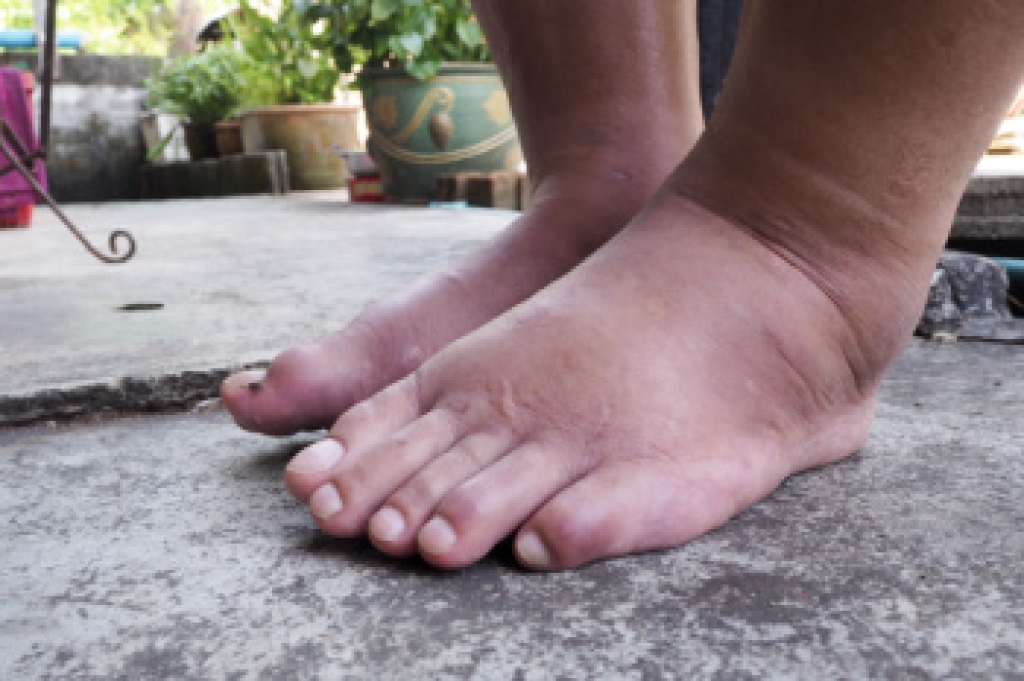
A bunion is formed of swollen tissue or an enlargement of boney growth, usually located at the base joint of the toe that connects to the foot. The swelling occurs due to the bones in the big toe shifting inward, which impacts the other toes of the foot. This causes the area around the base of the big toe to become inflamed and painful.

Why Do Bunions Form?

Genetics – Susceptibility to bunions are often hereditary

Stress on the feet – Poorly fitted and uncomfortable footwear that places stress on feet, such as heels, can worsen existing bunions

How Are Bunions Diagnosed?

Podiatrists often perform two tests – blood tests and x-rays – when trying to diagnose bunions, especially in the early stages of development. Blood tests help determine if the foot pain is being caused by something else, such as arthritis, while x-rays provide a clear picture of your bone structure to your provider.

How Are Bunions Treated?

  • Refrain from wearing heels or similar shoes that cause discomfort
  • Select wider shoes that can provide more comfort and reduce pain
  • Anti-inflammatory and pain management drugs
  • Orthotics or foot inserts
  • Surgery

If you have any questions, please feel free to contact our office located in Carrollton, TX . We offer the newest diagnostic and treatment technologies for all your foot care needs.

Read more about Bunions

Plantar Warts Can Be Treated!

Plantar warts are small growths that develop on parts of the feet that bear weight. They're typically found on the bottom of the foot. Don't live with plantar warts, and call us today!

Treatment for Black Toenails

A toenail may turn black after the toe is hit, crushed, or pressed repeatedly inside a tight shoe, common among runners. The dark color usually comes from blood trapped under the nail after the area beneath it has been injured. As this blood builds up, it can cause throbbing pain from strong pressure. A podiatrist will examine the black toenail, check how well the toe moves, and make sure blood flow to the area is normal. An X-ray may be taken to see if the bone at the tip of the toe is broken. If pressure under the nail is causing pain, a podiatrist can create a tiny opening in the nail to gently drain the trapped blood and relieve discomfort. In more serious cases, part of the nail may need to be removed so the damaged tissue underneath can heal properly. This can also reduce the risk of nail changes later. If you notice a toenail that has changed in color, it is suggested that you make an appointment with a podiatrist for an exam, diagnosis, and treatment.

Toe pain can disrupt your daily activities. If you have any concerns, contact Kellvan Cheng, DPM of Elite Foot & Ankle. Our doctor can provide the care you need to keep you pain-free and on your feet.

What Causes Toe Pain?

Most severe toe pain is caused due to a sports injury, trauma from dropping something heavy on the toe, or bumping into something rigid. Other problems can develop over time for various reasons.

Toe pain can be caused by one or more ailments. The most common include:

  • Trauma
  • Sports injury
  • Wearing shoes that are too tight
  • Arthritis
  • Gout
  • Corns and calluses
  • Hammertoe
  • Bunions
  • Blisters
  • Ingrown toenails
  • Sprains
  • Fractures (broken bones)
  • Dislocations

When to See a Podiatrist

  • Severe pain
  • Persistent pain that lasts more than a week
  • Signs of infection
  • Continued swelling
  • Pain that prevents walking

Diagnosis

In many cases the cause of toe pain is obvious, but in others, a podiatrist may want to use more advanced methods to determine the problem. These can range from simple visual inspections and sensation tests to X-rays and MRI scans. Prior medical history, family medical history, and any recent physical traumatic events will all be taken into consideration for a proper diagnosis.

Treatment

Treatments for toe pain and injuries vary and may include shoe inserts, padding, taping, medicines, injections, and in some cases, surgery. If you believe that you have broken a toe, please see a podiatrist as soon as possible.

If you have any questions please contact our office located in Carrollton, TX . We offer the newest diagnostic and treatment technologies for all your foot and ankle needs.

Read more about Toe Pain

Dealing With Cracked Heels in Cool Weather

Cracked heels are common in cooler weather because cold air and indoor heating dry out the skin. The skin on the bottom of the heel is naturally thick to handle body weight and pressure. When it becomes too dry, it loses flexibility and can split. These splits, often called fissures, are deep cracks that may cause pain, bleeding, or infection. Standing for long periods, wearing open-backed shoes, and taking long, hot showers can make the problem worse. People with diabetes or poor circulation may have a harder time healing and can face more serious complications. A podiatrist can examine the heels, safely trim thick, hardened skin, and provide professional treatment that helps restore moisture and protect the skin. Early medical care can reduce pain and prevent infection. If you have cracked heels that cause pain, it is suggested that you make an appointment with a podiatrist for an exam, diagnosis, and safe treatment.

Cracked heels are unsightly and can cause further damage to your shoes and feet. If you have any concerns, contact Kellvan Cheng, DPM from Elite Foot & Ankle. Our doctor can provide the care you need to keep you pain-free and on your feet.

Cracked Heels

Cracked heels appear unappealing and can make it harder for you walk around in sandals. Aside from looking unpleasant, cracked heels can also tear stockings, socks, and wear out your shoes. There are several methods to help restore a cracked heel and prevent further damage.

How Do You Get Them?

Dry skin is the number one culprit in creating cracked heels. Many athletes, walkers, joggers, and even swimmers suffer from cracked heels. Age and skin oil production play a role to getting cracked heels as well.

Promote Healing

Over the counter medicines can help, especially for those that need instant relief or who suffer from chronic dry feet.

Wear Socks – Wearing socks with medicated creams helps lock in moisture.

Moisturizers – Applying both day and night will help alleviate dryness which causes cracking.

Pumice Stones – These exfoliate and remove dead skin, which allows for smoother moisturizer application and better absorption into the skin. 

Change in Diet

Eating healthy with a well-balanced diet will give the skin a fresh and radiant look. Your body responds to the kinds of food you ingest. Omega-3 fatty acids and zinc supplements can also revitalize skin tissue.

Most importantly, seek professional help if unsure how to proceed in treating cracked heels. A podiatrist will help you with any questions or information needed. 

If you have any questions, please feel free to contact our office located in Carrollton, TX . We offer the newest diagnostic and treatment technologies for all your foot care needs.

Read more about Solutions for Cracked Heels
Connect with us