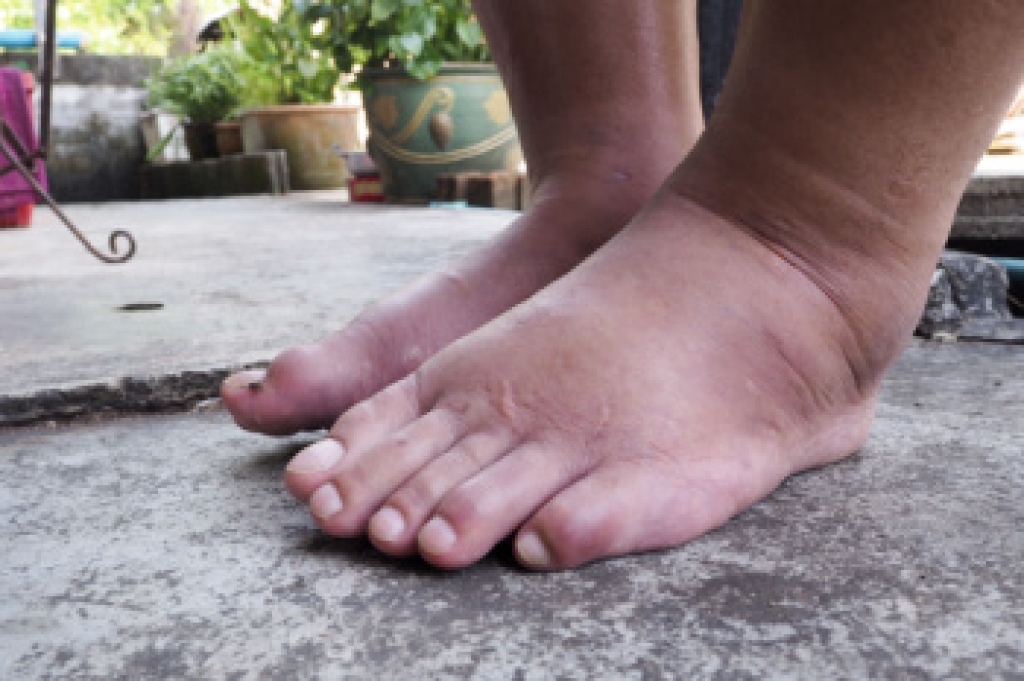



A hammertoe develops when one of the smaller toes stays bent at its middle joint instead of lying flat. This bend resembles an upside-down V. The second toe is affected most frequently, although the third or fourth toe can also develop the deformity. One cause of a hammertoe is a muscle or tendon imbalance that can pull the toe out of its normal position. Other factors include arthritis, an unusually long toe, and poor alignment of the foot joints. At first, the toe may remain flexible and straighten when moved. It can later become stiff and fixed in place.
Symptoms can include pain, swelling, and redness around the bent joint. The raised area may rub against a shoe, leading to a corn or open sore. Pressure beneath the forefoot can also cause pain in the ball of the foot. Some patients have trouble finding comfortable shoes or feel pain while walking. A podiatrist can diagnose hammertoe by examining the foot and checking whether the toe is flexible or rigid. The examination also helps identify joint problems, areas of pressure, and changes in walking. X-rays can show the position of the bones and the condition of the affected joints.
Treatment depends on the bend, the patient's symptoms, and whether the toe can still move. A podiatrist can recommend shoes with a wide, deep toe box to reduce rubbing and pressure. Fitted padding can protect irritated skin, while custom orthotics can improve weight distribution and ease pain. The podiatrist can also monitor corns or sores and provide care to protect the skin. When a rigid hammertoe causes lasting pain or limits activity, surgery can straighten the toe and improve its alignment. Early evaluation can help prevent stiffness and recurring skin irritation. If you have developed a hammertoe, it is suggested that you schedule an appointment with a podiatrist for effective relief and management solutions.
Hammertoes can be a painful condition to live with. For more information, contact Kellvan Cheng, DPM of Elite Foot & Ankle. Our doctor will answer any of your foot- and ankle-related questions.
Hammertoe
Hammertoe is a foot deformity that occurs due to an imbalance in the muscles, tendons, or ligaments that normally hold the toe straight. It can be caused by the type of shoes you wear, your foot structure, trauma, and certain disease processes.
Symptoms
- Painful and/or difficult toe movement
- Swelling
- Joint stiffness
- Calluses/Corns
- Physical deformity
Risk Factors
- Age – The risk of hammertoe increases with age
- Sex – Women are more likely to have hammertoe compared to men
- Toe Length – You are more likely to develop hammertoe if your second toe is longer than your big toe
- Certain Diseases – Arthritis and diabetes may make you more likely to develop hammertoe
Treatment
If you have hammertoe, you should change into a more comfortable shoe that provides enough room for your toes. Exercises such as picking up marbles may strengthen and stretch your toe muscles. Nevertheless, it is important to seek assistance from a podiatrist in order to determine the severity of your hammertoe and see which treatment option will work best for you.
If you have any questions, please feel free to contact our office located in Carrollton, TX . We offer the newest diagnostic and treatment technologies for all your foot care needs.