
Dallas Metro / North Texas
(214) 710-1028

Facts About Diabetic Foot Ulcers

A diabetic foot ulcer is an open sore that develops on the foot, often in people with diabetes due to poor circulation and nerve damage. This condition can begin with a small cut, blister, or pressure point that goes unnoticed because of reduced sensation. Over time, the area may break down and form a wound that is slow to heal. Symptoms can include redness, swelling, drainage, and, in some cases, a foul odor. Risk factors include long term diabetes, wearing improper footwear, high blood sugar levels, and previous foot injuries. If not treated early, the ulcer can deepen and lead to serious complications. A podiatrist can examine the wound, assess circulation, and provide specialized care to promote healing and prevent infection. If you have diabetes and have developed a foot ulcer, it is strongly suggested that you are under the care of a podiatrist who can effectively treat the wound and help you manage this serious condition.

Wound care is an important part in dealing with diabetes. If you have diabetes and a foot wound or would like more information about wound care for diabetics, consult with Kellvan Cheng, DPM from Elite Foot & Ankle. Our doctor will assess your condition and provide you with quality foot and ankle treatment.

What Is Wound Care?

Wound care is the practice of taking proper care of a wound. This can range from the smallest to the largest of wounds. While everyone can benefit from proper wound care, it is much more important for diabetics. Diabetics often suffer from poor blood circulation which causes wounds to heal much slower than they would in a non-diabetic. 

What Is the Importance of Wound Care?

While it may not seem apparent with small ulcers on the foot, for diabetics, any size ulcer can become infected. Diabetics often also suffer from neuropathy, or nerve loss. This means they might not even feel when they have an ulcer on their foot. If the wound becomes severely infected, amputation may be necessary. Therefore, it is of the upmost importance to properly care for any and all foot wounds.

How to Care for Wounds

The best way to care for foot wounds is to prevent them. For diabetics, this means daily inspections of the feet for any signs of abnormalities or ulcers. It is also recommended to see a podiatrist several times a year for a foot inspection. If you do have an ulcer, run the wound under water to clear dirt from the wound; then apply antibiotic ointment to the wound and cover with a bandage. Bandages should be changed daily and keeping pressure off the wound is smart. It is advised to see a podiatrist, who can keep an eye on it.

If you have any questions please contact our office located in Carrollton, TX . We offer the newest diagnostic and treatment technologies for all your foot and ankle needs.

Read more about Wound Care

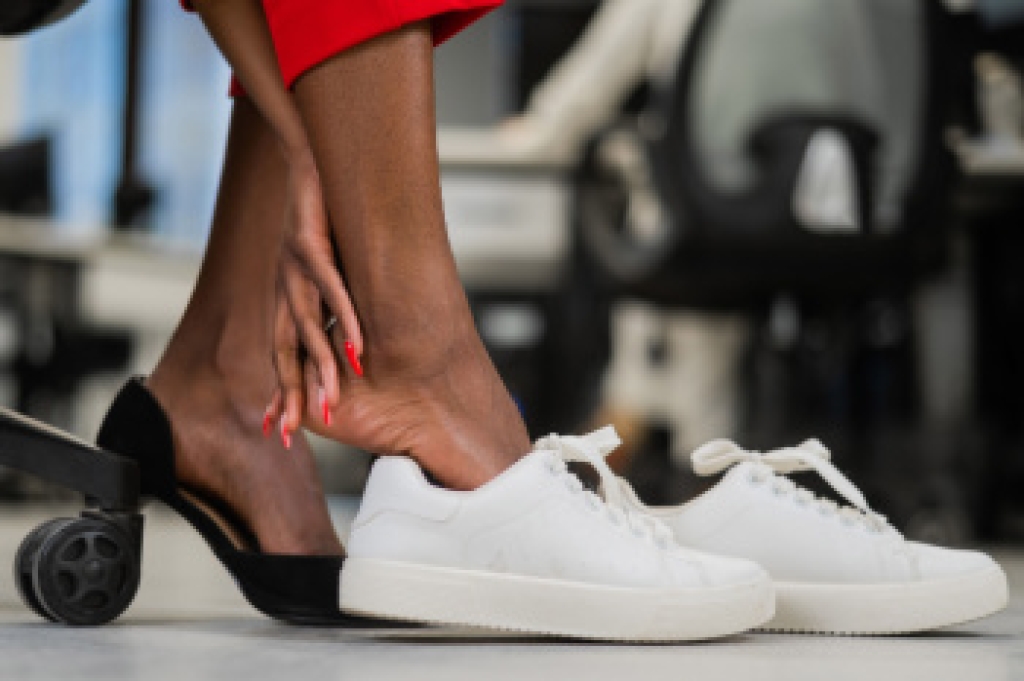
Understanding Corns and How They Differ From Calluses

A corn is a small, thickened area of skin that develops as a protective response to repeated friction and pressure. Corns are usually smaller and deeper than calluses, and may have a hard center that can cause tenderness. Calluses tend to be larger, flatter areas of thickened skin that form over wider regions. Corns often appear on the side of the feet from wearing tight shoes, while calluses may develop on the ball of the foot from activities such as running barefoot. Risk factors include poor footwear, repetitive motion, and foot structure. A podiatrist can safely treat corns, reduce pressure, and recommend proper footwear to prevent recurrence. Corns can be painful, and may cause difficulty in completing daily activities. If you have a foot corn, it is suggested that you consult a podiatrist who can offer you effective relief and treatment solutions.

Corns can make walking very painful and should be treated immediately. If you have questions regarding your feet and ankles, contact Kellvan Cheng, DPM of Elite Foot & Ankle. Our doctor will treat your foot and ankle needs.

Corns: What Are They? And How Do You Get Rid of Them?
Corns are thickened areas on the skin that can become painful. They are caused by excessive pressure and friction on the skin. Corns press into the deeper layers of the skin and are usually round in shape.

Ways to Prevent Corns
There are many ways to get rid of painful corns such as:

  • Wearing properly fitting shoes that have been measured by a professional
  • Wearing shoes that are not sharply pointed or have high heels
  • Wearing only shoes that offer support

Treating Corns

Although most corns slowly disappear when the friction or pressure stops, this isn’t always the case. Consult with your podiatrist to determine the best treatment option for your case of corns.

If you have any questions, please feel free to contact our office located in Carrollton, TX . We offer the newest diagnostic and treatment technologies for all your foot care needs.

Read more about Understanding Corns and Calluses

Dealing With Tendonitis

Foot tendinitis occurs when one or more tendons become irritated or inflamed, often due to overuse or strain. Pain may develop along the top, side, or arch of the foot, and it can feel achy, sharp, or tight with movement. The area may appear slightly swollen and tender to the touch, and discomfort often worsens during walking, running, or standing for long periods. Foot tendinitis is commonly linked to repetitive activity, sudden increases in exercise, improper footwear, or structural imbalances in the foot. A podiatrist can evaluate the affected tendon through a physical exam and may use imaging to confirm the diagnosis. Treatment typically focuses on reducing inflammation and restoring function with supportive footwear, custom orthotics, and targeted exercises to strengthen and stabilize the foot. Early care can help prevent worsening symptoms or chronic injury. If you have ongoing foot pain, it is suggested that you make an appointment with a podiatrist.

Foot Pain

Foot pain can be extremely painful and debilitating. If you have a foot pain, consult with Kellvan Cheng, DPM from Elite Foot & Ankle. Our doctor will assess your condition and provide you with quality foot and ankle treatment.

Causes

Foot pain is a very broad condition that could be caused by one or more ailments. The most common include:

  • Bunions
  • Hammertoes
  • Plantar Fasciitis
  • Bone Spurs
  • Corns
  • Tarsal Tunnel Syndrome
  • Ingrown Toenails
  • Arthritis (such as Gout, Rheumatoid, and Osteoarthritis)
  • Flat Feet
  • Injury (from stress fractures, broken toe, foot, ankle, Achilles tendon ruptures, and sprains)
  • And more

Diagnosis

To figure out the cause of foot pain, podiatrists utilize several different methods. This can range from simple visual inspections and sensation tests to X-rays and MRI scans. Prior medical history, family medical history, and any recent physical traumatic events will all be taken into consideration for a proper diagnosis.

Treatment

Treatment depends upon the cause of the foot pain. Whether it is resting, staying off the foot, or having surgery; podiatrists have a number of treatment options available for foot pain.

If you have any questions, please feel free to contact our office located in Carrollton, TX . We offer the newest diagnostic and treatment technologies for all your foot care needs.

Read more about Foot Pain

It's Time for Beautiful Feet

You don't need an excuse to have beautiful nails. Step outside without worrying about the appearance of your feet.

Loss of Balance Can Add to Risk of Falls

Balance issues often begin with problems in the feet and ankles, especially as people age. Good balance depends on being able to feel the ground and move with stability. Diabetes-related nerve damage, called neuropathy, can reduce feeling in the feet and affect the balance. Fallen arches, arthritis, joint stiffness, and painful foot deformities can also change the way a person walks and increase the risk of falling. Shoes that do not fit well or do not provide enough support can further affect balance and lead to slips or trips. A podiatrist can examine foot structure, check circulation and nerve function, and identify problems that affect balance and safe movement. Treatment includes custom orthotics, bracing, and guidance on supportive footwear. Improving foot stability can help retain balance and reduce the risk of falls. If you have injured your foot or ankle from falling, it is suggested that you schedule an appointment with a podiatrist for effective treatment solutions and prevention tips.

Preventing falls among the elderly is very important. If you are older and have fallen or fear that you are prone to falling, consult with Kellvan Cheng, DPM from Elite Foot & Ankle. Our doctor will assess your condition and provide you with quality advice and care.

Every 11 seconds, an elderly American is being treated in an emergency room for a fall related injury. Falls are the leading cause of head and hip injuries for those 65 and older. Due to decreases in strength, balance, senses, and lack of awareness, elderly persons are very susceptible to falling. Thankfully, there are a number of things older persons can do to prevent falls.

How to Prevent Falls

Some effective methods that older persons can do to prevent falls include:

  • Enrolling in strength and balance exercise program to increase balance and strength
  • Periodically having your sight and hearing checked
  • Discuss any medications you have with a doctor to see if it increases the risk of falling
  • Clearing the house of falling hazards and installing devices like grab bars and railings
  • Utilizing a walker or cane
  • Wearing shoes that provide good support and cushioning
  • Talking to family members about falling and increasing awareness

Falling can be a traumatic and embarrassing experience for elderly persons; this can make them less willing to leave the house, and less willing to talk to someone about their fears of falling. Doing such things, however, will increase the likelihood of tripping or losing one’s balance. Knowing the causes of falling and how to prevent them is the best way to mitigate the risk of serious injury.  

If you have any questions, please feel free to contact our office located in Carrollton, TX . We offer the newest diagnostic and treatment technologies for all your foot care needs.
Read more about Falls Prevention
Connect with us