
Dallas Metro / North Texas
(214) 710-1028
Blog
Orthotics for Better Foot Support and Comfort

Orthotics are designed to support and improve the function of the feet and ankles. They can be placed inside shoes or worn around the foot and ankle, depending on the type of support needed. Orthotics may help relieve pain by changing how pressure is distributed across the foot. They can also provide support when a joint, muscle, or other structure is not functioning properly. Some orthotic devices are available in standard sizes, while custom orthotics are created specifically for an individual’s foot shape and medical needs.
Different types of orthotics serve different purposes. Shoe inserts may provide cushioning or additional support inside footwear. Custom-made orthotics can be designed to correct an abnormal walking pattern or reduce pressure on a painful area. An ankle-foot orthosis extends above the ankle and can provide greater stability when weakness or another medical problem affects movement. Orthotic devices may be recommended for several foot and ankle concerns, depending on the source of the symptoms. Since each person’s needs are different, the type of device used should match the specific problem affecting movement or comfort.
A podiatrist can evaluate foot or ankle pain and determine whether orthotics may be appropriate. This evaluation may include examining foot structure, joint movement, and walking patterns. If an orthotic is recommended, a podiatrist can determine what level of support is needed and whether a custom-made device may provide greater benefit. Properly selected orthotics can support the foot while addressing pressure or alignment problems that contribute to discomfort. A podiatrist can also evaluate whether another treatment is necessary when symptoms have a different underlying cause. If persistent foot or ankle pain is affecting your comfort or ability to walk, it is suggested that you consult a podiatrist for an evaluation and appropriate treatment options.
If you are having discomfort in your feet and would like to try orthotics, contact Kellvan Cheng, DPM from Elite Foot & Ankle. Our doctor can provide the care you need to keep you pain-free and on your feet.
What Are Orthotics?
Orthotics are inserts you can place into your shoes to help with a variety of foot problems such as flat feet or foot pain. Orthotics provide relief and comfort for minor foot and heel pain but can’t correct serious biomechanical problems in your feet.
Over-the-Counter Inserts
Orthotics come in a wide variety of over-the-counter inserts that are used to treat foot pain, heel pain, and minor problems. For example, arch supports can be inserted into your shoes to help correct overarched or flat feet, while gel insoles are often used because they provide comfort and relief from foot and heel pain by alleviating pressure.
Prescription Orthotics
If over-the-counter inserts don’t work for you or if you have a more severe foot concern, it is possible to have your podiatrist prescribe custom orthotics. These high-quality inserts are designed to treat problems such as abnormal motion, plantar fasciitis, and severe forms of heel pain. They can even be used to help patients suffering from diabetes by treating foot ulcers and painful calluses and are usually molded to your feet individually, which allows them to provide full support and comfort.
If you are experiencing minor to severe foot or heel pain, it’s recommended to speak with your podiatrist about the possibilities of using orthotics. A podiatrist can determine which type of orthotic is right for you and allow you to take the first steps towards being pain-free.
If you have any questions, please feel free to contact our office located in Carrollton, TX . We offer the newest diagnostic and treatment technologies for all your foot care needs.
Big Toe Pain Can Point to Injury or Gout

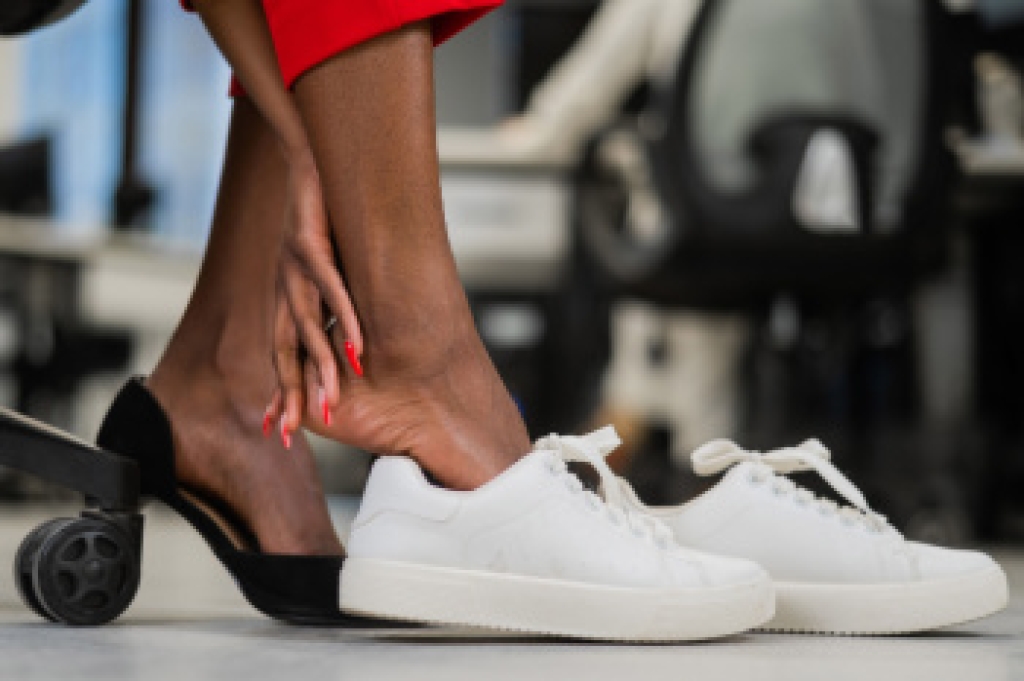
Big toe pain can make every step uncomfortable and limit normal daily activities. Several conditions can affect the joint at the base of the big toe, including injuries and inflammatory arthritis. Two well-known causes are turf toe and gout. Turf toe happens when the big toe bends beyond its normal range, stretching or tearing the supporting tissues. Gout develops when uric acid builds up in the body and forms sharp crystals inside the joint. Both conditions cause pain, swelling, stiffness, and difficulty walking, but they begin for very different reasons.
Turf toe usually follows a sports or dance injury where forceful movement pushes the toe upward too far. Pain starts quickly, and the joint feels tender when moving or bearing weight. Bruising can appear around the base of the toe. Gout can begin suddenly, sometimes at night, with intense pain, warmth, redness, and swelling. Even light pressure can feel severe. Repeated gout attacks can damage the joint and reduce movement. Although turf toe and gout share similar symptoms, their causes are different, making an accurate diagnosis extremely important before treatment begins.
A podiatrist carefully examines the painful toe and reviews how the symptoms started. Imaging studies, blood tests, and joint fluid testing help confirm the cause when questions remain. Identifying the correct problem allows treatment to match the condition, instead of only addressing the pain. For turf toe, a podiatrist protects the joint, reduces strain, and monitors healing. For gout, a podiatrist works to identify the joint damage and helps manage the condition with long-term foot care. Surgery may be recommended when serious joint damage or severe instability makes it necessary. Prompt diagnosis helps preserve joint function and improve comfort with everyday activities. If you have a painful big toe, it is suggested that you schedule an appointment with a podiatrist for an accurate diagnosis and appropriate treatment.
Toe pain can disrupt your daily activities. If you have any concerns, contact Kellvan Cheng, DPM of Elite Foot & Ankle. Our doctor can provide the care you need to keep you pain-free and on your feet.
What Causes Toe Pain?
Most severe toe pain is caused due to a sports injury, trauma from dropping something heavy on the toe, or bumping into something rigid. Other problems can develop over time for various reasons.
Toe pain can be caused by one or more ailments. The most common include:
- Trauma
- Sports injury
- Wearing shoes that are too tight
- Arthritis
- Gout
- Corns and calluses
- Hammertoe
- Bunions
- Blisters
- Ingrown toenails
- Sprains
- Fractures (broken bones)
- Dislocations
When to See a Podiatrist
- Severe pain
- Persistent pain that lasts more than a week
- Signs of infection
- Continued swelling
- Pain that prevents walking
Diagnosis
In many cases the cause of toe pain is obvious, but in others, a podiatrist may want to use more advanced methods to determine the problem. These can range from simple visual inspections and sensation tests to X-rays and MRI scans. Prior medical history, family medical history, and any recent physical traumatic events will all be taken into consideration for a proper diagnosis.
Treatment
Treatments for toe pain and injuries vary and may include shoe inserts, padding, taping, medicines, injections, and in some cases, surgery. If you believe that you have broken a toe, please see a podiatrist as soon as possible.
If you have any questions please contact our office located in Carrollton, TX . We offer the newest diagnostic and treatment technologies for all your foot and ankle needs.
Simple Stretches for Foot Pain Relief

Foot pain can develop from overuse, prolonged standing, or wearing unsupportive shoes. Sore feet may feel achy, tight, or tender. Common problems include muscle strain, plantar fasciitis, and tendon irritation. Risk factors include high-impact activity, increased body weight, and poorly fitting footwear. Identifying the reason for discomfort is important before starting stretches. Gentle exercises may provide useful relief when soreness results from tight or tired muscles.
A simple foot stretch can improve flexibility and help prevent cramping. Sit comfortably and keep your foot relaxed. Flex your toes upward, then slowly curl them downward. Repeat several times without forcing the toes. This exercise gently moves the small muscles and joints in the foot. Regular stretching may improve flexibility and reduce tension. Stop if stretching causes sharp pain, swelling, or worsening symptoms immediately. Stretching should feel gentle rather than painful.
Strengthening exercises can support sore feet and improve foot control. Try picking up a marble with your toes and placing it into a small container, and repeat slowly with each foot. This movement activates small foot muscles and may improve strength, coordination, and toe control. Stronger muscles can support the arch and improve walking stability. Warm up gently before exercise and avoid overworking painful feet. Wearing supportive shoes can reduce stress during daily activities.
A podiatrist can determine whether foot pain comes from an injury, structural concern, or another condition. The evaluation may include examining your feet and checking movement. Treatment may involve activity changes, stretching guidance, or other care based on the cause. Persistent pain should not be ignored. If you have foot pain, it is suggested that you consult a podiatrist who can offer effective relief and treatment solutions, in addition to guidance on appropriate foot stretches.
Stretching the feet is a great way to prevent injuries. If you have any concerns with your feet consult with Kellvan Cheng, DPM from Elite Foot & Ankle. Our doctor will assess your condition and provide you with quality foot and ankle treatment.
Stretching the Feet
Being the backbone of the body, the feet carry your entire weight and can easily become overexerted, causing cramps and pain. As with any body part, stretching your feet can serve many benefits. From increasing flexibility to even providing some pain relief, be sure to give your feet a stretch from time to time. This is especially important for athletes or anyone performing aerobic exercises, but anyone experiencing foot pain or is on their feet constantly should also engage in this practice.
Great ways to stretch your feet:
- Crossing one leg over the others and carefully pull your toes back. Do 10-20 repetitions and repeat the process for each foot
- Face a wall with your arms out and hands flat against the wall. Step back with one foot and keep it flat on the floor while moving the other leg forward. Lean towards the wall until you feel a stretch. Hold for 30 seconds and perform 10 repetitions for each foot
- Be sure not to overextend or push your limbs too hard or you could risk pulling or straining your muscle
Individuals who tend to their feet by regular stretching every day should be able to minimize foot pain and prevent new problems from arising.
If you have any questions please contact our office located in Carrollton, TX . We offer the newest diagnostic and treatment technologies for all your foot and ankle needs.
How Pregnancy Can Affect Your Feet

Pregnancy brings many changes to the body, and the feet are no exception. As pregnancy progresses, increased body weight and changing hormone levels can place extra stress on the feet and ankles. Many women experience foot pain, swelling, or changes in the shape of their feet during this time. Some also notice that their arches become lower, which can cause the feet to become slightly longer or wider. These changes may affect balance and make standing or walking less comfortable. Because pregnancy-related foot problems can interfere with daily activities, a professional evaluation is important when symptoms become persistent or severe. Early care can help identify the cause of discomfort and determine the most appropriate treatment plan.
Several factors contribute to foot changes during pregnancy. Hormones that help prepare the body for childbirth can also loosen the ligaments that support the feet, making the joints more flexible. Combined with added pressure from weight gain, these changes may increase the risk of flat feet, heel pain, or discomfort in the arches. Swelling around the feet and ankles is also common and may make shoes feel tighter than usual. A comprehensive podiatry examination allows foot structure, joint function, and walking patterns to be carefully evaluated. Identifying these changes early can help reduce discomfort and support healthy foot function throughout pregnancy.
A podiatrist can evaluate pregnancy-related foot pain and recommend treatment based on each patient's individual needs. Professional care focuses on improving comfort, supporting proper foot mechanics, and addressing conditions that may develop during pregnancy. Treatment plans are designed with both maternal health and mobility in mind, while also monitoring changes as pregnancy progresses. Ongoing podiatry care may also help identify developing foot problems before they become more significant after delivery. If you are experiencing foot pain, swelling, or noticeable changes in your feet during pregnancy, it is suggested that you consult a podiatrist for an evaluation and appropriate treatment options.
Pregnant women with swollen feet can be treated with a variety of different methods that are readily available. For more information about other cures for swollen feet during pregnancy, consult with Kellvan Cheng, DPM from Elite Foot & Ankle. Our doctor will attend to all of your foot and ankle needs.
What Foot Problems Can Arise During Pregnancy?
One problem that can occur is overpronation, which occurs when the arch of the foot flattens and tends to roll inward. This can cause pain and discomfort in your heels while you’re walking or even just standing up, trying to support your baby.
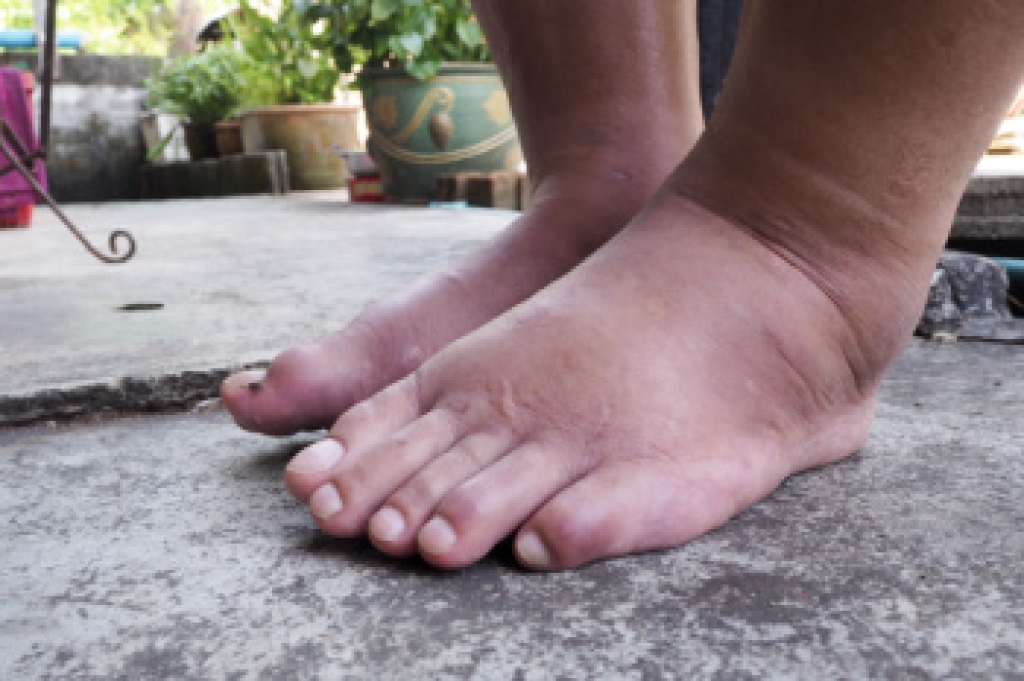
Another problem is edema, or swelling in the extremities. This often affects the feet during pregnancy but tends to occur in the later stages.
How Can I Keep My Feet Healthy During Pregnancy?
- Wearing orthotics can provide extra support for the feet and help distribute weight evenly
- Minimize the amount of time spent walking barefoot
- Wear shoes with good arch support
- Wear shoes that allow for good circulation to the feet
- Elevate feet if you experience swelling
- Massage your feet
- Get regular, light exercise, such as walking, to promote blood circulation to the feet
If you have any questions, please feel free to contact our office located in Carrollton, TX . We offer the newest diagnostic and treatment technologies for all your foot care needs.
Blog Archives
- 2026
- 2025
- 2024
- 2023
- 2022
- 2021
- 2020
- 2019
- 2018
- 2017