
Dallas Metro / North Texas
(214) 710-1028

Review Elite Foot & Ankle on Google

How a Podiatrist Helps Treat Gout

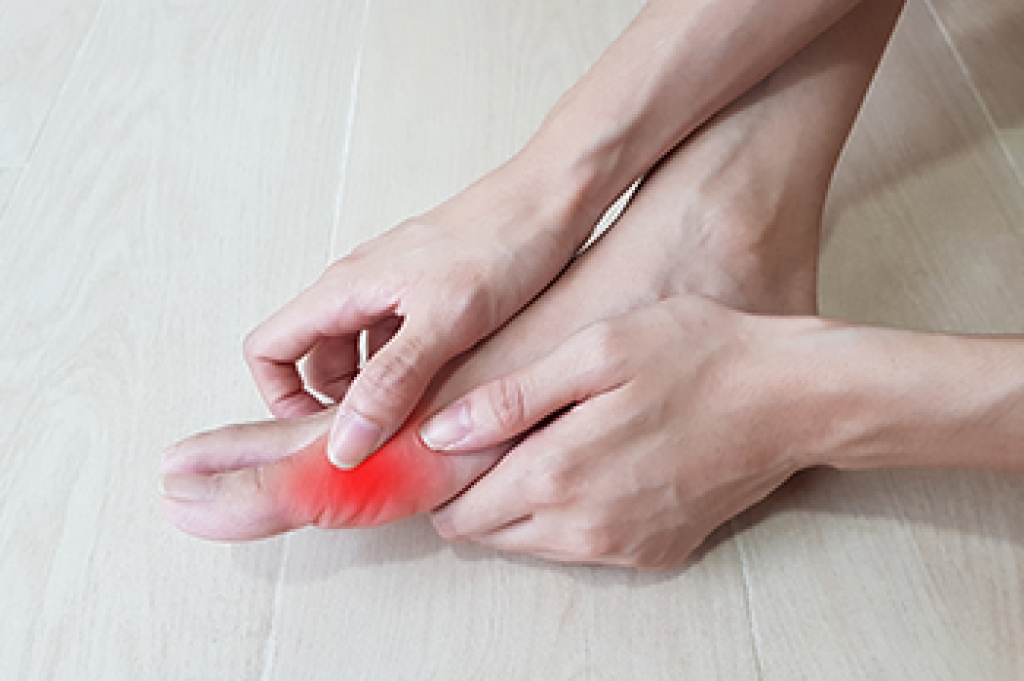
Gout causes sudden attacks of joint pain that frequently affect the big toe. The affected joint may become swollen, red, and extremely tender. Even light pressure from a shoe sometimes feels painful. Gout develops when uric acid, a substance produced as the body breaks down certain materials, forms sharp crystals inside a joint. These crystals trigger inflammation, which means swelling and irritation. Attacks may begin at night and reach their worst intensity within hours. Although the big toe is a frequent target, gout also affects the ankles and other joints in the feet. Repeated attacks may damage joints when the condition remains untreated. Certain health conditions, medications, and family history increase the risk of gout. Recognizing the symptoms helps patients seek an accurate diagnosis.

A podiatrist examines the painful joint and asks when symptoms began. The evaluation includes reviewing medical history, checking swelling, and assessing joint movement. Because an infection sometimes resembles gout, sudden redness with fever or severe illness requires urgent assessment. The podiatrist may recommend blood tests or imaging tests to identify the cause. In some cases, testing fluid from the joint helps confirm the diagnosis and rule out infection. Treatment for a gout attack focuses on reducing inflammation and relieving pain. A podiatrist may prescribe appropriate medication based on the patient's health and other prescriptions. When repeated attacks occur, a longer-term medication plan may be necessary to lower uric acid levels and protect the joints. The podiatrist also monitors foot function and lasting tenderness.

Gout symptoms sometimes make walking and wearing shoes difficult. Patients may avoid placing weight on the affected foot because of discomfort. A podiatrist considers these limitations when planning treatment and follow-up visits. Appointments help track the frequency of attacks, changes in joint movement, and the response to medication. Persistent swelling or recurring pain deserves evaluation rather than assuming every episode is gout. With appropriate management, many patients experience fewer attacks and better joint comfort. The goal is to address pain while reducing the risk of future joint damage. If you have symptoms of gout, it is suggested that you are under the care of a podiatrist who can help you to manage this painful condition. 

Gout is a painful condition that can be treated. If you are seeking treatment, contact Kellvan Cheng, DPM from Elite Foot & Ankle. Our doctor will treat your foot and ankle needs.

What Is Gout?

Gout is a form of arthritis that is characterized by sudden, severe attacks of pain, redness, and tenderness in the joints. The condition usually affects the joint at the base of the big toe. A gout attack can occur at any random time, such as the middle of the night while you are asleep.

Symptoms

  • Intense Joint Pain - Usually around the large joint of your big toe, and it most severe within the first four to twelve hours
  • Lingering Discomfort - Joint discomfort may last from a few days to a few weeks
  • Inflammation and Redness -Affected joints may become swollen, tender, warm and red
  • Limited Range of Motion - May experience a decrease in joint mobility

Risk Factors

  • Genetics - If family members have gout, you’re more likely to have it
  • Medications - Diuretic medications can raise uric acid levels
  • Gender/Age - Gout is more common in men until the age of 60. It is believed that estrogen protects women until that point
  • Diet - Eating red meat and shellfish increases your risk
  • Alcohol - Having more than two alcoholic drinks per day increases your risk
  • Obesity - Obese people are at a higher risk for gout

Prior to visiting your podiatrist to receive treatment for gout, there are a few things you should do beforehand. If you have gout you should write down your symptoms--including when they started and how often you experience them, important medical information you may have, and any questions you may have. Writing down these three things will help your podiatrist in assessing your specific situation so that he or she may provide the best route of treatment for you.

If you have any questions, please feel free to contact our office located in Carrollton, TX . We offer the newest diagnostic and treatment technologies for all your foot care needs.
Read more about Gout

Recognizing the Stages of Fungal Toenails

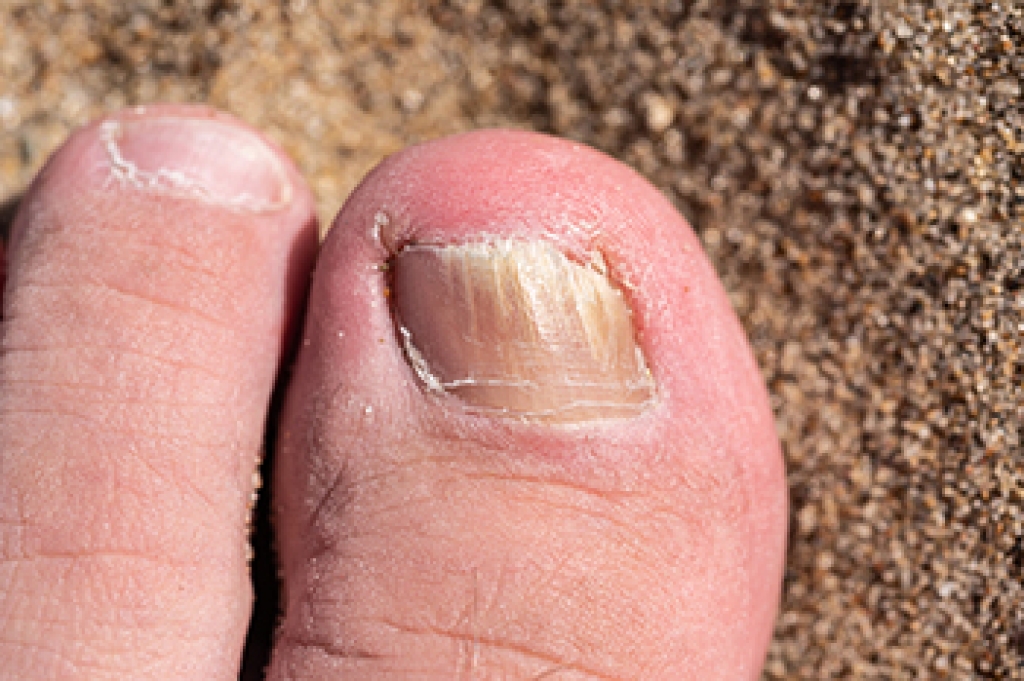
A small white or yellow spot near the edge of a toenail may signal the start of a fungal infection. Fungal toenails develop when fungi enter through tiny cracks in the nail or surrounding skin. As the infection progresses, the nail may become thick, brittle, or crumbly. Debris sometimes collects underneath, and the nail may lift away from the skin beneath it. Certain changes may cause pressure inside shoes or pain while walking. The infection does not follow a fixed schedule, and mild discoloration does not always develop into severe nail damage.

Fungi thrive in warm, damp environments, which helps explain why toenails are especially vulnerable. Sweaty feet and tight-fitting shoes create conditions that encourage fungal growth. An infection in the skin, like athlete’s foot, may also spread to nearby nails. Older adults face greater risk because their nails grow more slowly and develop small cracks more easily. Diabetes, poor circulation, and a weakened immune system increase the importance of an exam from a podiatrist. However, not every thick or discolored nail contains fungus. Repeated injuries and certain skin conditions cause similar changes, making an accurate diagnosis essential before treatment begins.

A podiatrist examines the nails and surrounding skin, then collects a small nail sample for testing when appropriate. This helps confirm whether fungi are responsible and guides treatment decisions. Podiatric care focuses on controlling the infection and reducing discomfort. A podiatrist may also trim and thin affected nails to ease pressure and support treatment. The treatment plan reflects the extent of infection and the patient’s overall health. Follow-up visits allow the podiatrist to assess new nail growth and adjust care. Toenails grow slowly, so visible improvement takes months. A damaged nail may need a year or longer to grow out completely. If you have fungal toenails, it is suggested that you schedule an appointment with a podiatrist for diagnosis and treatment, which may include prescribed medication.

For more information about treatment, contact Kellvan Cheng, DPM of Elite Foot & Ankle. Our doctor can provide the care you need to keep you pain-free and on your feet.

Toenail Fungus Treatment

Toenail fungus is a condition that affects many people and can be especially hard to get rid of. Fortunately, there are several methods to go about treating and avoiding it.

Antifungals & Deterrence

Oral antifungal medicine has been shown to be effective in many cases. It is important to consult with a podiatrist to determine the proper regiment for you, or potentially explore other options.

Applying foot powder on the feet and shoes helps keep the feet free of moisture and sweat.

Sandals or open toed shoes – Wearing these will allow air movement and help keep feet dry. They also expose your feet to light, which fungus cannot tolerate. Socks with moisture wicking material also help as well.

If you have any questions please contact our office located in Carrollton, TX . We offer the newest diagnostic and treatment technologies for all your foot and ankle needs.

Read more about Treating Toenail Fungus

Warning Signs of Peripheral Artery Disease in Your Feet

Peripheral artery disease, or PAD, is a circulatory condition that develops when arteries become narrowed by fatty deposits, reducing blood flow to the legs and feet. Because healthy circulation delivers oxygen to muscles and skin, reduced blood supply can affect walking comfort and wound healing. One common symptom is pain while walking that improves with rest, a pattern known as claudication. Some people also experience leg cramps or numbness in their feet. Recognizing these warning signs early is important because PAD can increase the risk of serious circulation problems.

Atherosclerosis, which causes plaque to build up inside arteries, is the most common cause of PAD. Smoking damages blood vessels and greatly increases the risk of developing this condition. Other risk factors include diabetes, high blood pressure, and high cholesterol. Age and family history can also contribute. People with diabetes may face additional concerns because nerve damage can make foot injuries harder to notice. When circulation is reduced, even a small blister or cut may heal slowly and become vulnerable to infection.


Changes in foot appearance can provide further clues that circulation needs attention. The skin may look pale, bluish, or unusually shiny, while toenails may grow more slowly. Feet may feel colder than usual, and numbness or weakness can develop. In advanced cases, pain may occur even while resting, or sores may fail to heal. Sudden severe foot pain with coldness, discoloration, or loss of sensation requires emergency medical care because it may signal an acute blockage.


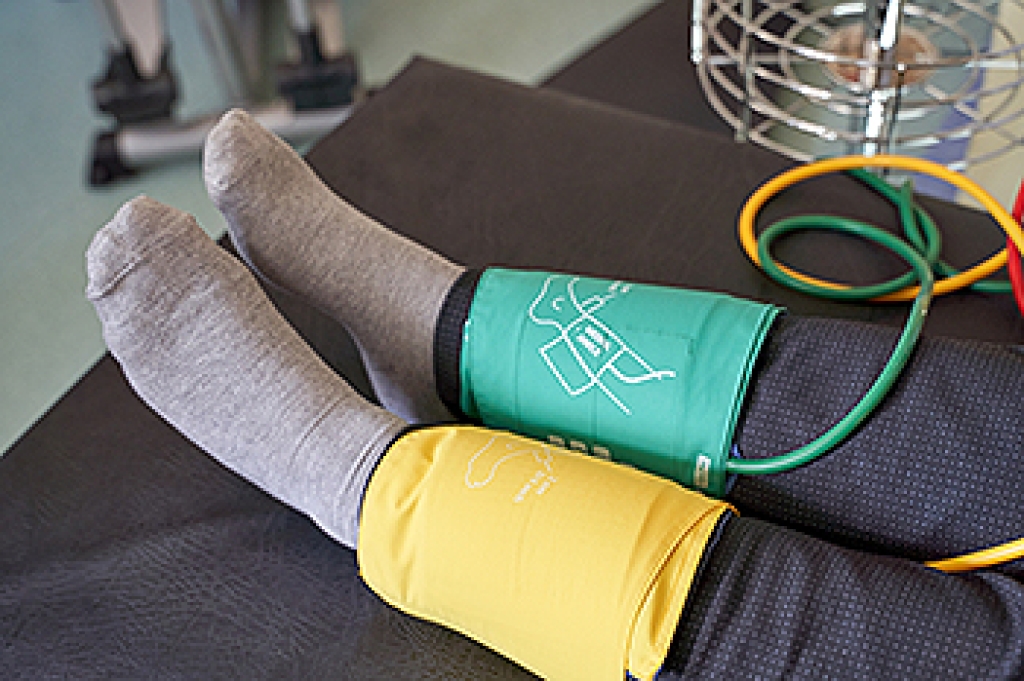
A podiatrist examines your feet, checks pulses, and evaluates wounds. An ankle-brachial index or vascular imaging may help identify reduced blood flow. Treatment options include smoking cessation, prescribed medication, and recommendations for protective footwear. If you have symptoms of PAD, it is suggested that you consult a podiatrist for an accurate diagnosis and appropriate treatment.

Peripheral artery disease can pose a serious risk to your health. It can increase the risk of stroke and heart attack. If you have symptoms of peripheral artery disease, consult with Kellvan Cheng, DPM from Elite Foot & Ankle. Our doctor will assess your condition and provide you with quality foot and ankle treatment.

Peripheral artery disease (PAD) is when arteries are constricted due to plaque (fatty deposits) build-up. This results in less blood flow to the legs and other extremities. The main cause of PAD is atherosclerosis, in which plaque builds up in the arteries.

Symptoms

Symptoms of PAD include:

  • Claudication (leg pain from walking)
  • Numbness in legs
  • Decrease in growth of leg hair and toenails
  • Paleness of the skin
  • Erectile dysfunction
  • Sores and wounds on legs and feet that won’t heal
  • Coldness in one leg

It is important to note that a majority of individuals never show any symptoms of PAD.

Diagnosis

While PAD occurs in the legs and arteries, Podiatrists can diagnose PAD. Podiatrists utilize a test called an ankle-brachial index (ABI). An ABI test compares blood pressure in your arm to you ankle to see if any abnormality occurs. Ultrasound and imaging devices may also be used.

Treatment

Fortunately, lifestyle changes such as maintaining a healthy diet, exercising, managing cholesterol and blood sugar levels, and quitting smoking, can all treat PAD. Medications that prevent clots from occurring can be prescribed. Finally, in some cases, surgery may be recommended.

If you have any questions, please feel free to contact our office located in Carrollton, TX . We offer the newest diagnostic and treatment technologies for all your foot care needs.

Read more about Peripheral Artery Disease

Foot Mechanics and the Bones That Keep You Moving

Foot biomechanics describes how the feet, joints, and bones work together during standing and movement. Each foot contains 26 bones that create a flexible, yet supportive structure. These bones help absorb impact, maintain balance, and move the body forward. Healthy biomechanics allow the foot to adapt to different surfaces while supporting normal walking and running. Problems with alignment or movement can contribute to foot pain, ankle pain, and uneven pressure.

The foot bones are divided into three groups. The tarsals are seven bones located around the heel and midfoot. They help form the ankle area and provide stability while absorbing force. The five metatarsals connect the midfoot to the toes and help distribute weight during each step. The 14 phalanges form the toes and assist with balance and push-off. Together, these bones create a coordinated foundation that supports the body during activity.

Foot biomechanics can change when the bones, joints, or surrounding tissues do not move normally. Risk factors include previous injuries, structural differences, and repetitive activity. Symptoms may include arch pain, heel pain, or discomfort while walking. A podiatrist evaluates symptoms, examines foot alignment, and observes how the feet move. Treatment may include wearing supportive footwear, custom orthotics, or other targeted care. Imaging tests may be recommended when a bone or joint injury is suspected.

Understanding foot biomechanics can make it easier to recognize why proper support matters. The tarsals provide stability, the metatarsals help distribute pressure, and the phalanges contribute to balance and push-off. These bones do not work separately. Their coordinated movement helps create an efficient stride and reduces stress. If foot or ankle pain affects your movement, it is suggested that you consult a podiatrist for an accurate diagnosis and appropriate treatment.

If you have any concerns about your feet, contact Kellvan Cheng, DPM from Elite Foot & Ankle. Our doctor can provide the care you need to keep you pain-free and on your feet.

Biomechanics in Podiatry

Podiatric biomechanics is a particular sector of specialty podiatry with licensed practitioners who are trained to diagnose and treat conditions affecting the foot, ankle and lower leg. Biomechanics deals with the forces that act against the body, causing an interference with the biological structures. It focuses on the movement of the ankle, the foot and the forces that interact with them.

A History of Biomechanics

  • Biomechanics dates back to the BC era in Egypt where evidence of professional foot care has been recorded.
  • In 1974, biomechanics gained a higher profile from the studies of Merton Root, who claimed that by changing or controlling the forces between the ankle and the foot, corrections or conditions could be implemented to gain strength and coordination in the area.

Modern technological improvements are based on past theories and therapeutic processes that provide a better understanding of podiatric concepts for biomechanics. Computers can provide accurate information about the forces and patterns of the feet and lower legs.

Understanding biomechanics of the feet can help improve and eliminate pain, stopping further stress to the foot.

If you have any questions please feel free to contact our office located in Carrollton, TX . We offer the newest diagnostic and treatment technologies for all your foot and ankle needs.

Read more about The Importance of Biomechanics in Podiatry

Heel Pain Can Be Treated!

Do you suffer from heel pain when you get up in the morning? If so, you should seek professional help and have a proper diagnosis performed. Heel pain can be caused by several different foot-related conditions.

Connect with us

Featured article of the week from Podiatry Content Connection