
Dallas Metro / North Texas
(214) 710-1028

Causes of a Bruised Heel Bone

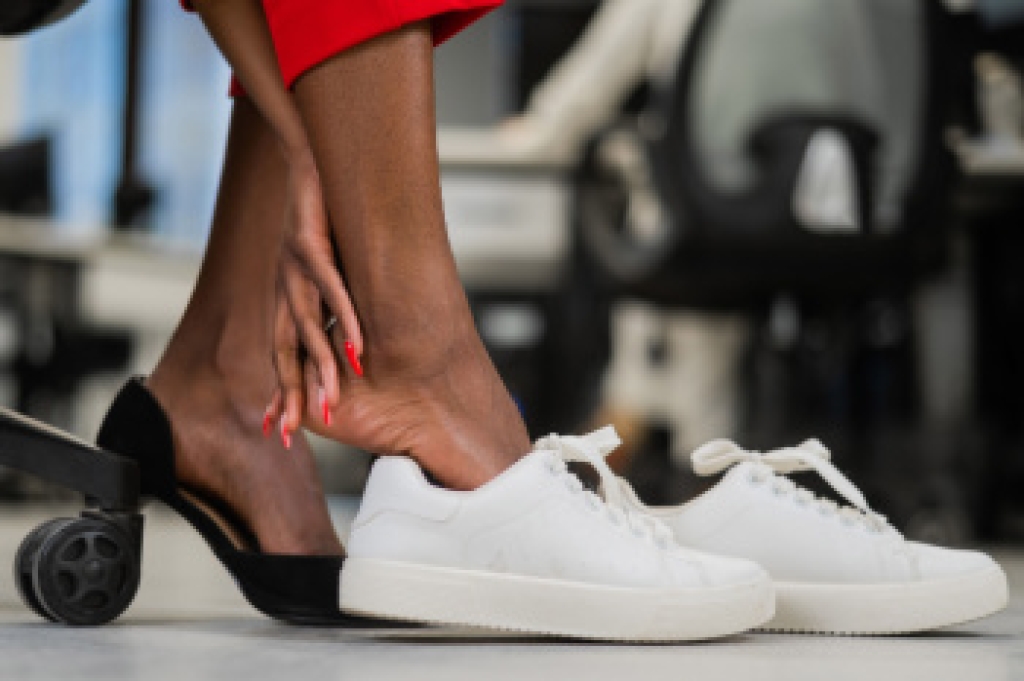
A bruised heel bone happens when it absorbs excessive force that overwhelms the natural cushioning protecting it while walking and standing. This type of injury often develops after repetitive impact from running, jumping, or spending long hours on hard surfaces. It can also result from a sudden hard landing on the heel. Risk factors include changes in activity level, reduced shock absorption in footwear, increased body weight, and age-related thinning of the heel pad. Symptoms include deep heel soreness, tenderness with pressure, and pain that intensifies with weight bearing. A podiatrist can determine whether the pain is caused by a bruise or another condition, assess foot mechanics, and identify factors that increase heel stress. Treatment may include protective strategies, supportive devices, and a structured plan to reduce pressure on the heel. If you feel pain in your heel bone, it is suggested that you make an appointment with a podiatrist for an exam, diagnosis, and treatment.

Many people suffer from bouts of heel pain. For more information, contact Kellvan Cheng, DPM of Elite Foot & Ankle. Our doctor can provide the care you need to keep you pain-free and on your feet.

Causes of Heel Pain

Heel pain is often associated with plantar fasciitis. The plantar fascia is a band of tissues that extends along the bottom of the foot. A rip or tear in this ligament can cause inflammation of the tissue.

Achilles tendonitis is another cause of heel pain. Inflammation of the Achilles tendon will cause pain from fractures and muscle tearing. Lack of flexibility is also another symptom.

Heel spurs are another cause of pain. When the tissues of the plantar fascia undergo a great deal of stress, it can lead to ligament separation from the heel bone, causing heel spurs.

Why Might Heel Pain Occur?

  • Wearing ill-fitting shoes                
  • Wearing non-supportive shoes
  • Weight change           
  • Excessive running

Treatments

Heel pain should be treated as soon as possible for immediate results. Keeping your feet in a stress-free environment will help. If you suffer from Achilles tendonitis or plantar fasciitis, applying ice will reduce the swelling. Stretching before an exercise like running will help the muscles. Using all these tips will help make heel pain a condition of the past.

If you have any questions, please feel free to contact our office located in Carrollton, TX . We offer the newest diagnostic and treatment technologies for all your foot care needs.

Read more about Heel Pain

Facts About Morton’s Neuroma

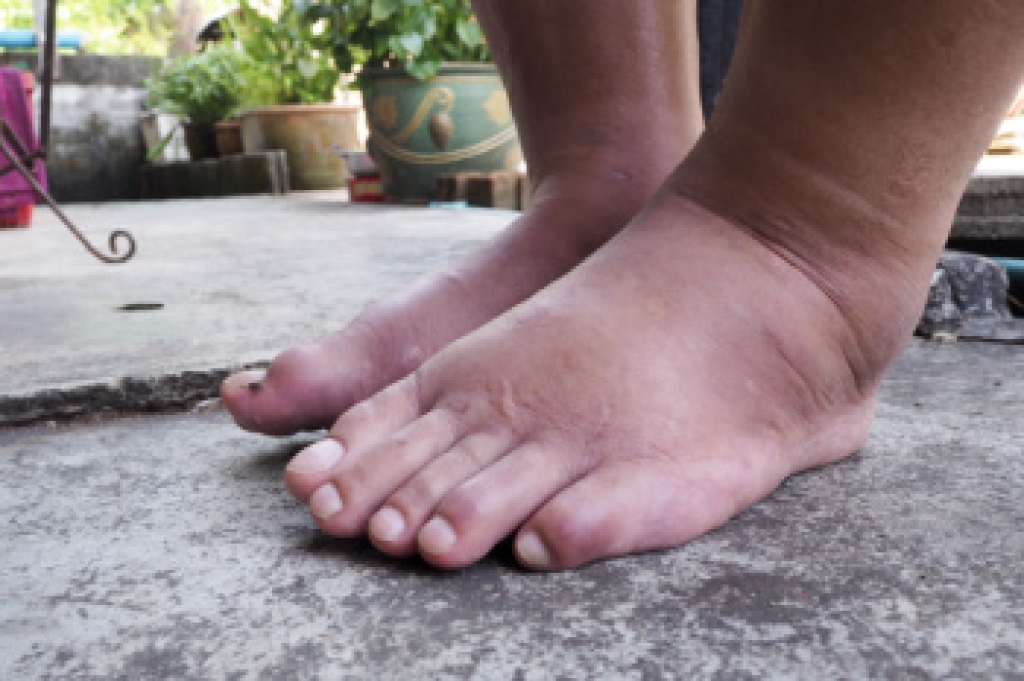
Morton’s neuroma affects the forefoot, most commonly between the third and fourth toes. It develops when the digital nerve becomes thickened or fibrotic, leading to irritation and discomfort. Symptoms often include burning, tingling, numbness, or the sensation of stepping on a pebble inside the shoe. This painful condition is frequently caused by wearing tight or narrow footwear, such as high heels, or activities that place repeated pressure on the forefoot. Risk factors include foot shape, high-impact exercise, and prolonged periods in constrictive shoes. A podiatrist can diagnose Morton’s neuroma, recommend custom orthotics, suggest appropriate footwear, and provide treatment to reduce pain. If you have pain in this part of your foot, it is suggested that you consult a podiatrist who can accurately diagnose and treat what may be going on.

Morton’s neuroma is a very uncomfortable condition to live with. If you think you have Morton’s neuroma, contact Kellvan Cheng, DPM of Elite Foot & Ankle. Our doctor will attend to all of your foot care needs and answer any of your related questions.  

Morton’s Neuroma

Morton's neuroma is a painful foot condition that commonly affects the areas between the second and third or third and fourth toe, although other areas of the foot are also susceptible. Morton’s neuroma is caused by an inflamed nerve in the foot that is being squeezed and aggravated by surrounding bones.

What Increases the Chances of Having Morton’s Neuroma?

  • Ill-fitting high heels or shoes that add pressure to the toe or foot
  • Jogging, running or any sport that involves constant impact to the foot
  • Flat feet, bunions, and any other foot deformities

Morton’s neuroma is a very treatable condition. Orthotics and shoe inserts can often be used to alleviate the pain on the forefront of the feet. In more severe cases, corticosteroids can also be prescribed. In order to figure out the best treatment for your neuroma, it’s recommended to seek the care of a podiatrist who can diagnose your condition and provide different treatment options.

If you have any questions, please feel free to contact our office located in Carrollton, TX . We offer the newest diagnostic and treatment technologies for all your foot care needs.

Read more about Morton's Neuroma

Footwear Plays a Role in Preventing Falls

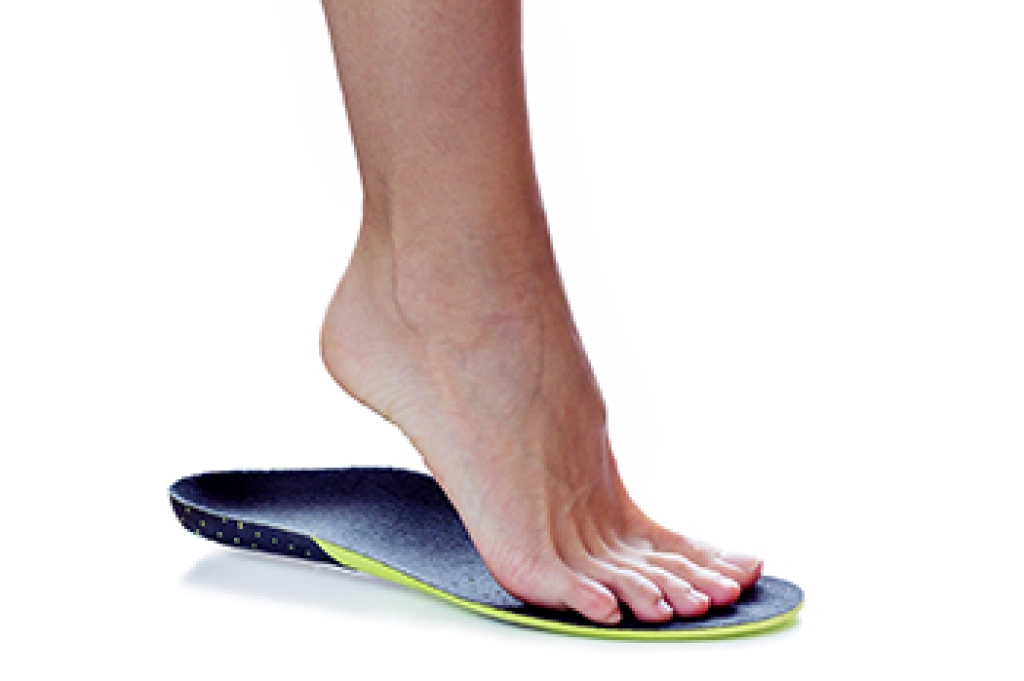
Preventing falls is an important part of protecting mobility and independence for older adults, and foot health plays a direct role in balance and stability. Painful feet, stiff ankles, weak calf muscles, reduced sensation from nerve damage, and deformities like bunions or curled toes can make walking less steady. Wearing safe footwear can help lower this risk by keeping the feet secure and improving contact with the ground. Shoes with a firm heel collar, a broad and slightly beveled heel, textured soles, and laces or straps can improve control during walking. Thin, firm midsoles may also help people better sense the surface beneath their feet. Shoes that are loose, worn down, backless, or higher than one inch at the heel can increase the chance of slipping. A podiatrist can examine the feet, identify problems affecting balance, and recommend appropriate care or footwear options. If you are concerned about falling, it is suggested that you make an appointment with a podiatrist for an exam and treatment.

Preventing falls among the elderly is very important. If you are older and have fallen or fear that you are prone to falling, consult with Kellvan Cheng, DPM from Elite Foot & Ankle. Our doctor will assess your condition and provide you with quality advice and care.

Every 11 seconds, an elderly American is being treated in an emergency room for a fall related injury. Falls are the leading cause of head and hip injuries for those 65 and older. Due to decreases in strength, balance, senses, and lack of awareness, elderly persons are very susceptible to falling. Thankfully, there are a number of things older persons can do to prevent falls.

How to Prevent Falls

Some effective methods that older persons can do to prevent falls include:

  • Enrolling in strength and balance exercise program to increase balance and strength
  • Periodically having your sight and hearing checked
  • Discuss any medications you have with a doctor to see if it increases the risk of falling
  • Clearing the house of falling hazards and installing devices like grab bars and railings
  • Utilizing a walker or cane
  • Wearing shoes that provide good support and cushioning
  • Talking to family members about falling and increasing awareness

Falling can be a traumatic and embarrassing experience for elderly persons; this can make them less willing to leave the house, and less willing to talk to someone about their fears of falling. Doing such things, however, will increase the likelihood of tripping or losing one’s balance. Knowing the causes of falling and how to prevent them is the best way to mitigate the risk of serious injury.  

If you have any questions, please feel free to contact our office located in Carrollton, TX . We offer the newest diagnostic and treatment technologies for all your foot care needs.
Read more about Falls Prevention

Do You Suffer From Painful Feet?

Painful deformities, such as hammertoes, can be treated. Stop living with foot pain, and have beautiful feet again!

When a Simple Nail Becomes a Painful Problem

Ingrown toenails occur when the edge of a nail grows into the surrounding skin instead of over it, most commonly affecting the big toe. The toe may look red, swollen, or shiny, and in more advanced cases there may be drainage, infection, or excess skin along the nail border. It often feels tender at first, then progresses to sharp pain, throbbing, warmth, and discomfort when walking or wearing shoes. Causes include improper nail trimming, tight or narrow footwear, toe injuries, and genetic factors. A podiatrist can help from the start by diagnosing the condition and determining whether infection or other complications are present. Initial treatment may include relieving pressure, reducing inflammation, and proper nail care. If necessary, care can then move to in-office procedures to remove the ingrown portion of the nail, along with education to prevent recurrence. Prompt care helps restore comfort and foot health. If you have a painful ingrown toenail, it is suggested that you make an appointment with a podiatrist.

Ingrown toenails may initially present themselves as a minor discomfort, but they may progress into an infection in the skin without proper treatment. For more information about ingrown toenails, contact Kellvan Cheng, DPM of Elite Foot & Ankle. Our doctor can provide the care you need to keep you pain-free and on your feet.

Ingrown Toenails

Ingrown toenails are caused when the corner or side of a toenail grows into the soft flesh surrounding it. They often result in redness, swelling, pain, and in some cases, infection. This condition typically affects the big toe and may recur if it is not treated properly.

Causes

  • Improper toenail trimming
  • Genetics
  • Improper shoe fitting
  • Injury from pedicures or nail picking
  • Abnormal gait
  • Poor hygiene

You are more likely to develop an ingrown toenail if you are obese, have diabetes, arthritis, or have any fungal infection in your nails. Additionally, people who have foot or toe deformities are at a higher risk of developing an ingrown toenail.

Symptoms

Some symptoms of ingrown toenails are redness, swelling, and pain. In rare cases, there may be a yellowish drainage coming from the nail.

Treatment

Ignoring an ingrown toenail can have serious complications. Infections of the nail border can progress to a deeper soft-tissue infection, which can then turn into a bone infection. You should always speak with your podiatrist if you suspect you have an ingrown toenail, especially if you have diabetes or poor circulation.

If you have any questions, please feel free to contact our office located in Carrollton, TX . We offer the newest diagnostic and treatment technologies for all your foot care needs.

Read more about Ingrown Toenail Care
Connect with us