
Dallas Metro / North Texas
(214) 710-1028

Podiatric Care for Ankle Pain and Limited Mobility

Ankle pain can make standing, walking, and running uncomfortable because the ankle supports the body’s weight during movement. Pain can result from an injury or a condition affecting the joint. Sprains and strains can damage the soft tissues that support the ankle. A fracture can cause intense pain, swelling, and difficulty putting weight on the foot. Arthritis can also contribute to ankle pain. Osteoarthritis develops when joint cartilage breaks down, while gout causes painful crystals to collect in a joint. Previous ankle injuries can increase the risk of arthritis later.

Pain at the back of the ankle or heel can involve the Achilles tendon, which connects the calf muscle to the heel bone. Achilles tendinitis can develop after overuse or intense strain. Symptoms include stiffness, tenderness, and pain behind the ankle or in the calf. A torn Achilles tendon can cause swelling near the heel and make it difficult to bear weight on the toes. Heel bursitis is another possible source of discomfort. It affects a small, fluid-filled cushion near the back of the heel that helps reduce friction around the joint.

A podiatrist can evaluate ankle pain by examining joint movement, muscle function, and areas of tenderness. The evaluation can also consider how the foot, knee, and lower leg affect ankle mechanics. Podiatric care can focus on restoring comfortable joint movement and addressing mechanical strain. Treatment can include gentle joint mobilization, guided stretching, and strengthening exercises based on the examination findings. A podiatrist can also assess walking patterns that place added stress on the ankle. Severe pain or an inability to bear weight deserves prompt evaluation because a serious injury could be present. If you have ankle pain, it is suggested that you schedule an appointment with a podiatrist for a diagnosis and appropriate treatment.

Ankle pain can be caused by a number of problems and may be potentially serious. If you have ankle pain, consult with Kellvan Cheng, DPM from Elite Foot & Ankle. Our doctor will assess your condition and provide you with quality foot and ankle treatment.

Ankle pain is any condition that causes pain in the ankle. Due to the fact that the ankle consists of tendons, muscles, bones, and ligaments, ankle pain can come from a number of different conditions.

Causes

The most common causes of ankle pain include:

  • Types of arthritis (rheumatoid, osteoarthritis, and gout)
  • Ankle sprains
  • Broken ankles
  • Achilles tendonitis
  • Achilles tendon rupture
  • Stress fractures
  • Bursitis
  • Tarsal tunnel syndrome
  • Plantar fasciitis

Symptoms

Symptoms of ankle injury vary based upon the condition. Pain may include general pain and discomfort, swelling, aching, redness, bruising, burning or stabbing sensations, and/or loss of sensation.

Diagnosis

Due to the wide variety of potential causes of ankle pain, podiatrists will utilize a number of different methods to properly diagnose ankle pain. This can include asking for personal and family medical histories and of any recent injuries. Further diagnosis may include sensation tests, a physical examination, and potentially x-rays or other imaging tests.

Treatment

Just as the range of causes varies widely, so do treatments. Some more common treatments are rest, ice packs, keeping pressure off the foot, orthotics and braces, medication for inflammation and pain, and surgery.

If you have any questions please feel free to contact our office located in Carrollton, TX . We offer the newest diagnostic tools and technology to treat your foot and ankle needs.

Read more about Ankle Pain

Reminder: When Was the Last Time...?

Custom orthotics, or shoe inserts, should be periodically replaced. Orthotics must fit properly to give you the best results. Protect your feet and ankles!

Orthotics for Better Foot Support and Comfort

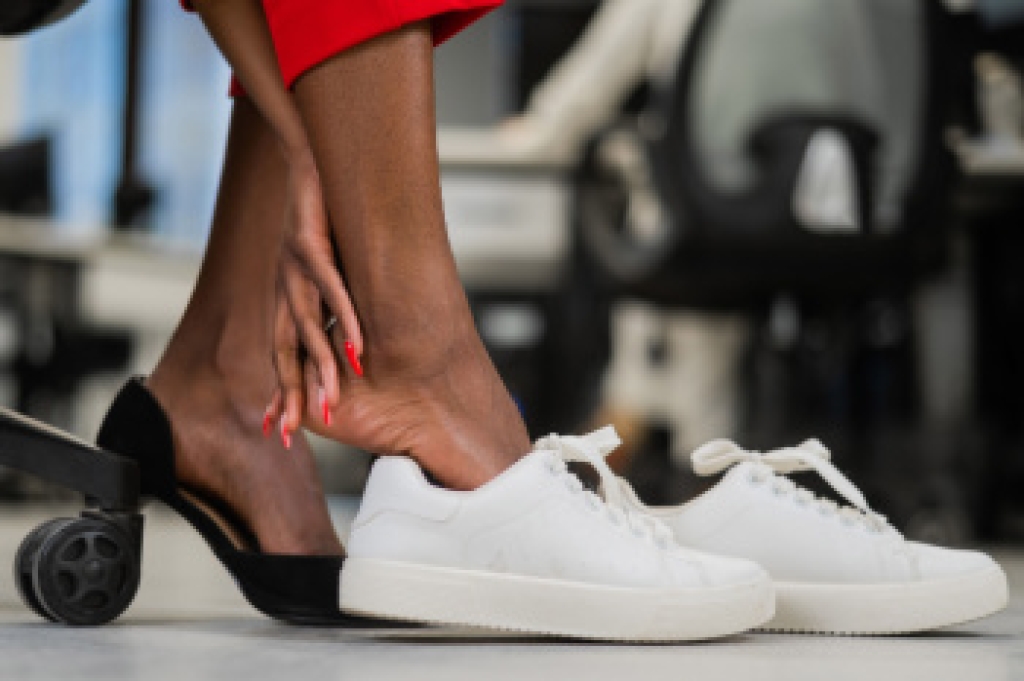
Orthotics are designed to support and improve the function of the feet and ankles. They can be placed inside shoes or worn around the foot and ankle, depending on the type of support needed. Orthotics may help relieve pain by changing how pressure is distributed across the foot. They can also provide support when a joint, muscle, or other structure is not functioning properly. Some orthotic devices are available in standard sizes, while custom orthotics are created specifically for an individual’s foot shape and medical needs.


Different types of orthotics serve different purposes. Shoe inserts may provide cushioning or additional support inside footwear. Custom-made orthotics can be designed to correct an abnormal walking pattern or reduce pressure on a painful area. An ankle-foot orthosis extends above the ankle and can provide greater stability when weakness or another medical problem affects movement. Orthotic devices may be recommended for several foot and ankle concerns, depending on the source of the symptoms. Since each person’s needs are different, the type of device used should match the specific problem affecting movement or comfort.


A podiatrist can evaluate foot or ankle pain and determine whether orthotics may be appropriate. This evaluation may include examining foot structure, joint movement, and walking patterns. If an orthotic is recommended, a podiatrist can determine what level of support is needed and whether a custom-made device may provide greater benefit. Properly selected orthotics can support the foot while addressing pressure or alignment problems that contribute to discomfort. A podiatrist can also evaluate whether another treatment is necessary when symptoms have a different underlying cause. If persistent foot or ankle pain is affecting your comfort or ability to walk, it is suggested that you consult a podiatrist for an evaluation and appropriate treatment options.

If you are having discomfort in your feet and would like to try orthotics, contact Kellvan Cheng, DPM from Elite Foot & Ankle. Our doctor can provide the care you need to keep you pain-free and on your feet.

What Are Orthotics?

Orthotics are inserts you can place into your shoes to help with a variety of foot problems such as flat feet or foot pain. Orthotics provide relief and comfort for minor foot and heel pain but can’t correct serious biomechanical problems in your feet.

Over-the-Counter Inserts

Orthotics come in a wide variety of over-the-counter inserts that are used to treat foot pain, heel pain, and minor problems. For example, arch supports can be inserted into your shoes to help correct overarched or flat feet, while gel insoles are often used because they provide comfort and relief from foot and heel pain by alleviating pressure.

Prescription Orthotics

If over-the-counter inserts don’t work for you or if you have a more severe foot concern, it is possible to have your podiatrist prescribe custom orthotics. These high-quality inserts are designed to treat problems such as abnormal motion, plantar fasciitis, and severe forms of heel pain. They can even be used to help patients suffering from diabetes by treating foot ulcers and painful calluses and are usually molded to your feet individually, which allows them to provide full support and comfort.

If you are experiencing minor to severe foot or heel pain, it’s recommended to speak with your podiatrist about the possibilities of using orthotics. A podiatrist can determine which type of orthotic is right for you and allow you to take the first steps towards being pain-free.

If you have any questions, please feel free to contact our office located in Carrollton, TX . We offer the newest diagnostic and treatment technologies for all your foot care needs.
Read more about Foot Orthotics

Big Toe Pain Can Point to Injury or Gout

Big toe pain can make every step uncomfortable and limit normal daily activities. Several conditions can affect the joint at the base of the big toe, including injuries and inflammatory arthritis. Two well-known causes are turf toe and gout. Turf toe happens when the big toe bends beyond its normal range, stretching or tearing the supporting tissues. Gout develops when uric acid builds up in the body and forms sharp crystals inside the joint. Both conditions cause pain, swelling, stiffness, and difficulty walking, but they begin for very different reasons.

Turf toe usually follows a sports or dance injury where forceful movement pushes the toe upward too far. Pain starts quickly, and the joint feels tender when moving or bearing weight. Bruising can appear around the base of the toe. Gout can begin suddenly, sometimes at night, with intense pain, warmth, redness, and swelling. Even light pressure can feel severe. Repeated gout attacks can damage the joint and reduce movement. Although turf toe and gout share similar symptoms, their causes are different, making an accurate diagnosis extremely important before treatment begins.

A podiatrist carefully examines the painful toe and reviews how the symptoms started. Imaging studies, blood tests, and joint fluid testing help confirm the cause when questions remain. Identifying the correct problem allows treatment to match the condition, instead of only addressing the pain. For turf toe, a podiatrist protects the joint, reduces strain, and monitors healing. For gout, a podiatrist works to identify the joint damage and helps manage the condition with long-term foot care. Surgery may be recommended when serious joint damage or severe instability makes it necessary. Prompt diagnosis helps preserve joint function and improve comfort with everyday activities. If you have a painful big toe, it is suggested that you schedule an appointment with a podiatrist for an accurate diagnosis and appropriate treatment.

Toe pain can disrupt your daily activities. If you have any concerns, contact Kellvan Cheng, DPM of Elite Foot & Ankle. Our doctor can provide the care you need to keep you pain-free and on your feet.

What Causes Toe Pain?

Most severe toe pain is caused due to a sports injury, trauma from dropping something heavy on the toe, or bumping into something rigid. Other problems can develop over time for various reasons.

Toe pain can be caused by one or more ailments. The most common include:

  • Trauma
  • Sports injury
  • Wearing shoes that are too tight
  • Arthritis
  • Gout
  • Corns and calluses
  • Hammertoe
  • Bunions
  • Blisters
  • Ingrown toenails
  • Sprains
  • Fractures (broken bones)
  • Dislocations

When to See a Podiatrist

  • Severe pain
  • Persistent pain that lasts more than a week
  • Signs of infection
  • Continued swelling
  • Pain that prevents walking

Diagnosis

In many cases the cause of toe pain is obvious, but in others, a podiatrist may want to use more advanced methods to determine the problem. These can range from simple visual inspections and sensation tests to X-rays and MRI scans. Prior medical history, family medical history, and any recent physical traumatic events will all be taken into consideration for a proper diagnosis.

Treatment

Treatments for toe pain and injuries vary and may include shoe inserts, padding, taping, medicines, injections, and in some cases, surgery. If you believe that you have broken a toe, please see a podiatrist as soon as possible.

If you have any questions please contact our office located in Carrollton, TX . We offer the newest diagnostic and treatment technologies for all your foot and ankle needs.

Read more about Toe Pain

Simple Stretches for Foot Pain Relief

Foot pain can develop from overuse, prolonged standing, or wearing unsupportive shoes. Sore feet may feel achy, tight, or tender. Common problems include muscle strain, plantar fasciitis, and tendon irritation. Risk factors include high-impact activity, increased body weight, and poorly fitting footwear. Identifying the reason for discomfort is important before starting stretches. Gentle exercises may provide useful relief when soreness results from tight or tired muscles.

A simple foot stretch can improve flexibility and help prevent cramping. Sit comfortably and keep your foot relaxed. Flex your toes upward, then slowly curl them downward. Repeat several times without forcing the toes. This exercise gently moves the small muscles and joints in the foot. Regular stretching may improve flexibility and reduce tension. Stop if stretching causes sharp pain, swelling, or worsening symptoms immediately. Stretching should feel gentle rather than painful.


Strengthening exercises can support sore feet and improve foot control. Try picking up a marble with your toes and placing it into a small container, and repeat slowly with each foot. This movement activates small foot muscles and may improve strength, coordination, and toe control. Stronger muscles can support the arch and improve walking stability. Warm up gently before exercise and avoid overworking painful feet. Wearing supportive shoes can reduce stress during daily activities.


A podiatrist can determine whether foot pain comes from an injury, structural concern, or another condition. The evaluation may include examining your feet and checking movement. Treatment may involve activity changes, stretching guidance, or other care based on the cause. Persistent pain should not be ignored. If you have foot pain, it is suggested that you consult a podiatrist who can offer effective relief and treatment solutions, in addition to guidance on appropriate foot stretches.

Stretching the feet is a great way to prevent injuries. If you have any concerns with your feet consult with Kellvan Cheng, DPM from Elite Foot & Ankle. Our doctor will assess your condition and provide you with quality foot and ankle treatment.

Stretching the Feet

Being the backbone of the body, the feet carry your entire weight and can easily become overexerted, causing cramps and pain. As with any body part, stretching your feet can serve many benefits. From increasing flexibility to even providing some pain relief, be sure to give your feet a stretch from time to time. This is especially important for athletes or anyone performing aerobic exercises, but anyone experiencing foot pain or is on their feet constantly should also engage in this practice.

Great ways to stretch your feet:

  • Crossing one leg over the others and carefully pull your toes back. Do 10-20 repetitions and repeat the process for each foot
  • Face a wall with your arms out and hands flat against the wall. Step back with one foot and keep it flat on the floor while moving the other leg forward. Lean towards the wall until you feel a stretch. Hold for 30 seconds and perform 10 repetitions for each foot
  • Be sure not to overextend or push your limbs too hard or you could risk pulling or straining your muscle

Individuals who tend to their feet by regular stretching every day should be able to minimize foot pain and prevent new problems from arising.

If you have any questions please contact our office located in Carrollton, TX . We offer the newest diagnostic and treatment technologies for all your foot and ankle needs.

Read more about Stretching Your Feet

How Pregnancy Can Affect Your Feet

Pregnancy brings many changes to the body, and the feet are no exception. As pregnancy progresses, increased body weight and changing hormone levels can place extra stress on the feet and ankles. Many women experience foot pain, swelling, or changes in the shape of their feet during this time. Some also notice that their arches become lower, which can cause the feet to become slightly longer or wider. These changes may affect balance and make standing or walking less comfortable. Because pregnancy-related foot problems can interfere with daily activities, a professional evaluation is important when symptoms become persistent or severe. Early care can help identify the cause of discomfort and determine the most appropriate treatment plan.


Several factors contribute to foot changes during pregnancy. Hormones that help prepare the body for childbirth can also loosen the ligaments that support the feet, making the joints more flexible. Combined with added pressure from weight gain, these changes may increase the risk of flat feet, heel pain, or discomfort in the arches. Swelling around the feet and ankles is also common and may make shoes feel tighter than usual. A comprehensive podiatry examination allows foot structure, joint function, and walking patterns to be carefully evaluated. Identifying these changes early can help reduce discomfort and support healthy foot function throughout pregnancy.


A podiatrist can evaluate pregnancy-related foot pain and recommend treatment based on each patient's individual needs. Professional care focuses on improving comfort, supporting proper foot mechanics, and addressing conditions that may develop during pregnancy. Treatment plans are designed with both maternal health and mobility in mind, while also monitoring changes as pregnancy progresses. Ongoing podiatry care may also help identify developing foot problems before they become more significant after delivery. If you are experiencing foot pain, swelling, or noticeable changes in your feet during pregnancy, it is suggested that you consult a podiatrist for an evaluation and appropriate treatment options.

Pregnant women with swollen feet can be treated with a variety of different methods that are readily available. For more information about other cures for swollen feet during pregnancy, consult with Kellvan Cheng, DPM from Elite Foot & Ankle. Our doctor will attend to all of your foot and ankle needs.

What Foot Problems Can Arise During Pregnancy?

One problem that can occur is overpronation, which occurs when the arch of the foot flattens and tends to roll inward.  This can cause pain and discomfort in your heels while you’re walking or even just standing up, trying to support your baby.  

Another problem is edema, or swelling in the extremities. This often affects the feet during pregnancy but tends to occur in the later stages. 

How Can I Keep My Feet Healthy During Pregnancy?

  • Wearing orthotics can provide extra support for the feet and help distribute weight evenly
  • Minimize the amount of time spent walking barefoot
  • Wear shoes with good arch support
  • Wear shoes that allow for good circulation to the feet
  • Elevate feet if you experience swelling
  • Massage your feet
  • Get regular, light exercise, such as walking, to promote blood circulation to the feet

If you have any questions, please feel free to contact our office located in Carrollton, TX . We offer the newest diagnostic and treatment technologies for all your foot care needs.

Read more about Pregnancy and Foot Health

Facts About Rheumatoid Arthritis in the Feet

Rheumatoid arthritis, often referred to as RA, is a chronic autoimmune condition in which the immune system mistakenly attacks the lining of the joints. This attack targets the connective tissue that supports and cushions the joints, leading to inflammation and damage over time. Unlike wear-and-tear arthritis, rheumatoid arthritis affects both sides of the body and can involve multiple joints, including those in the feet and ankles. The condition can interfere with daily movement and may progress if not properly managed.

Symptoms of rheumatoid arthritis in the feet commonly include painful inflammation, stiffness, and swelling in the joints. These symptoms are often worse in the morning or after periods of rest. Individuals may notice difficulty walking, reduced flexibility, and tenderness in the ball of the foot or toes. As the condition advances, joint deformities may develop, which can change foot shape and increase pressure in certain areas. Persistent discomfort can make routine activities more challenging.


The cause of rheumatoid arthritis is linked to an abnormal immune response, although the exact trigger is not fully understood. The immune system attacks the joint lining, causing inflammation that can damage cartilage and bone. This process can lead to joint instability and reduced function. Complications may extend beyond the joints and include skin issues, such as nodules, and circulatory concerns that affect overall health. These systemic effects highlight the importance of early recognition and care.


Risk factors for rheumatoid arthritis include genetic predisposition, female gender, and certain environmental influences. The condition can develop at any age, but is more common in middle-aged adults. Managing symptoms early can help protect joint health and maintain mobility. Wearing supportive footwear and regular monitoring can reduce stress on affected joints. If you have symptoms of RA in your feet, it is suggested that you are under the care of a podiatrist who can offer effective relief and management tips.

Because RA affects more than just your joints, including the joints in your feet and ankles, it is important to seek early diagnosis from your podiatrist if you feel like the pain in your feet might be caused by RA. For more information, contact Kellvan Cheng, DPM of Elite Foot & Ankle. Our doctor will assist you with all of your podiatric concerns.

What Is Rheumatoid Arthritis?

Rheumatoid Arthritis (RA) is an autoimmune disorder in which the body’s own immune system attacks the membranes surrounding the joints. Inflammation of the lining and eventually the destruction of the joint’s cartilage and bone occur, causing severe pain and immobility.

Rheumatoid Arthritis of the Feet

Although RA usually attacks multiple bones and joints throughout the entire body, almost 90 percent of cases result in pain in the foot or ankle area.

Symptoms

  • Swelling and pain in the feet
  • Stiffness in the feet
  • Pain on the ball or sole of feet
  • Joint shift and deformation

Diagnosis

Quick diagnosis of RA in the feet is important so that the podiatrist can treat the area effectively. Your doctor will ask you about your medical history, occupation, and lifestyle to determine the origin of the condition. Rheumatoid Factor tests help to determine if someone is affected by the disease.

If you have any questions, please feel free to contact our office located in Carrollton, TX . We offer the newest diagnostic and treatment technologies for all your foot care needs.

Read more about Rheumatoid Arthritis in the Feet

Why Live with Pain and Numbness in Your Feet?

Suffering from this type of pain? You may have the foot condition known as Morton's neuroma. Morton's neuroma may develop as a result of ill-fitting footwear and existing foot deformities. We can help.

Why Cracked Heels Develop and How to Protect Your Skin

Cracked heels, also known as heel fissures, occur when the skin on the heel becomes dry, thickened, and unable to stretch properly under pressure. This condition often affects the outer edges of the heel where the skin expands during standing and walking. Without adequate moisture and elasticity, the skin splits, creating visible cracks that can deepen over time. Cracked heels are a common foot concern and can range from mild dryness to painful fissures that interfere with daily movement.

Symptoms typically begin with dry and rough skin that may appear flaky or scaly. As the condition progresses, the skin thickens and forms calluses around the heel. Visible cracks may develop, sometimes accompanied by redness or irritation. In more advanced cases, the fissures can become painful and may even bleed, especially when pressure is applied during walking. If left untreated, deep cracks can increase the risk of infection and further skin breakdown.


Several risk factors contribute to the development of cracked heels. Prolonged standing, especially on hard surfaces, places repeated stress on the heel. Wearing open-backed or poorly fitting shoes can allow the heel to expand excessively, leading to skin splitting. Dry climates, dehydration, and inadequate foot care also play a role. Individuals with certain medical conditions, such as diabetes or skin disorders, may be more prone to severe dryness and cracking.


The primary cause of cracked heels is a combination of dry skin and mechanical pressure. Prevention focuses on consistent foot maintenance, including regular moisturizing, gentle exfoliation, and wearing supportive footwear. Keeping the skin hydrated helps maintain flexibility and reduces the risk of fissures. If cracked heels are present or worsening, it is suggested that you consult a podiatrist for effective treatment, which may include prescribed medication.

If the skin on your feet starts to crack, you may want to see a podiatrist to find treatment. If you have any concerns, contact Kellvan Cheng, DPM from Elite Foot & Ankle. Our doctor can provide the care you need to keep you pain-free and on your feet.

Cracked Heels

It is important to moisturize your cracked heels in order to prevent pain, bleeding, and infection. The reason cracked heels form is because the skin on the foot is too dry to support the immense pressure placed on them. When the foot expands, the dry skin on the foot begins to split.

Ways to Help Heal Them

  • Invest in a good foot cream
  • Try Using Petroleum Jelly
  • Ease up on Soaps
  • Drink Plenty of Water

Ways to Prevent Cracked Heels

  • Moisturize After Showering
  • Skip a Shower
  • Keep Shower Water Lukewarm
  • Don’t Scrub Your Feet

If you are unsure how to proceed in treating cracked heels, seek guidance from a podiatrist. Your doctor will help you with any questions or information you may need. 

If you have any questions, please feel free to contact our office located in Carrollton, TX . We offer the newest diagnostic and treatment technologies for all your foot care needs.

Read more about Solutions for Cracked Heels

How to Properly Fit Shoes for Healthy Feet

Proper shoe fitting is essential for maintaining foot health and preventing common foot problems. Shoes that fit correctly support natural movement, reduce pressure points, and improve overall comfort during daily activities. Wearing ill-fitting shoes can lead to pain, instability, and long-term complications. Learning how to measure and select the right shoe size helps protect the feet and supports proper alignment. A well-fitted shoe should provide enough room for the toes, secure support around the heel, and balanced cushioning throughout the foot.

To achieve an accurate fit, it is important to measure the feet at the end of the day when they are slightly swollen. Wearing the same type of socks that will be used with the shoes can also improve accuracy. Another helpful method is to trace the foot on paper and compare the outline against a shoe size chart. Trying on both shoes and walking around allows for a better sense of fit and support.


Wearing shoes that do not fit properly can lead to a range of foot problems. Common issues include blisters, bunions, hammertoes, and toenail damage. Shoes that are too tight may cause pressure and irritation, while shoes that are too loose can lead to instability and friction. These problems can affect posture, walking patterns, and overall foot function. Poor shoe fit may also contribute to heel pain, arch strain, and nerve irritation.


Choosing the right shoes and ensuring a proper fit can improve comfort, reduce injury risk, and support long-term foot health. Paying attention to sizing, width, and support features helps create a better fit for daily activities and exercise. Regularly checking shoe condition and replacing worn footwear is also important for maintaining support. If you have foot pain or difficulty finding shoes that fit properly, it is suggested that you consult a podiatrist for effective relief tips and guidance on proper shoe fit.

It is important to find shoes that fit you properly in order to avoid a variety of different foot problems. For more information about treatment, contact Kellvan Cheng, DPM from Elite Foot & Ankle. Our doctor will treat your foot and ankle needs.

Proper Shoe Fitting

Shoes have many different functions. They cushion our body weight, protect our feet, and allow us to safely play sports. You should always make sure that the shoes you wear fit you properly in order to avoid injuries and deformities such as: bunions, corns, calluses, hammertoes, plantar fasciitis, stress fractures, and more. It is important to note that although a certain pair of shoes might be a great fit for someone else, that doesn’t mean they will be a great fit for you. This is why you should always try on shoes before buying them to make sure they are worth the investment. Typically, shoes need to be replaced ever six months to one year of regular use.

Tips for Proper Shoe Fitting

  • Select a shoe that is shaped like your foot
  • Don’t buy shoes that fit too tight, expecting them to stretch to fit
  • Make sure there is enough space (3/8” to ½”) for your longest toe at the end of each shoe when you are standing up
  • Walk in the shoes to make sure they fit and feel right
  • Don’t select shoes by the size marked inside the shoe, but by how the shoe fits your foot

The shoes you buy should always feel as good as they look. Shoes that fit properly will last longer, feel better, and improve your way of life each day.

If you have any questions please contact our office located in Carrollton, TX . We offer the newest diagnostic and treatment technologies for all your foot and ankle needs.

Read more about How to Get a Proper Shoe Fit
Connect with us