

Dallas Metro / North Texas
(214) 710-1028

Definition and Common Symptoms of Heel Spurs

Heel spurs often misconstrued as a painful condition on their own, are actually bony growths that develop on the underside of the heel bone. Heel spurs develop in response to prolonged stress on the plantar fascia, a thick band of tissue that runs along the bottom of the foot. This continuous stress can lead to the formation of calcium deposits, resulting in the characteristic bony protrusions. The most common symptom of heel spurs is sharp, stabbing pain in the heel, typically upon standing or walking, especially in the morning or after periods of rest. The pain is often described as localized and can radiate along the arch of the foot. It is important to note that not everyone with heel spurs experiences pain. In some cases, they are detected incidentally during X-rays taken for other foot-related issues. Treatment options may include rest, stretching exercises, orthotic devices, or, in severe cases, medical interventions to alleviate pain and improve foot function. If you suspect you have heel spurs and are experiencing persistent heel pain, it is suggested that you consult a podiatrist for a proper diagnosis and personalized treatment plan. 

Heel spurs can be incredibly painful and sometimes may make you unable to participate in physical activities. To get medical care for your heel spurs, contact Kellvan Cheng, DPM from Elite Foot & Ankle. Our doctor will do everything possible to treat your condition.

Heels Spurs

Heel spurs are formed by calcium deposits on the back of the foot where the heel is. This can also be caused by small fragments of bone breaking off one section of the foot, attaching onto the back of the foot. Heel spurs can also be bone growth on the back of the foot and may grow in the direction of the arch of the foot.

Older individuals usually suffer from heel spurs and pain sometimes intensifies with age. One of the main condition's spurs are related to is plantar fasciitis.

Pain

The pain associated with spurs is often because of weight placed on the feet. When someone is walking, their entire weight is concentrated on the feet. Bone spurs then have the tendency to affect other bones and tissues around the foot. As the pain continues, the feet will become tender and sensitive over time.

Treatments

There are many ways to treat heel spurs. If one is suffering from heel spurs in conjunction with pain, there are several methods for healing. Medication, surgery, and herbal care are some options.

If you have any questions, please feel free to contact our office located in Carrollton, TX . We offer the newest diagnostic and treatment technologies for all your foot care needs.
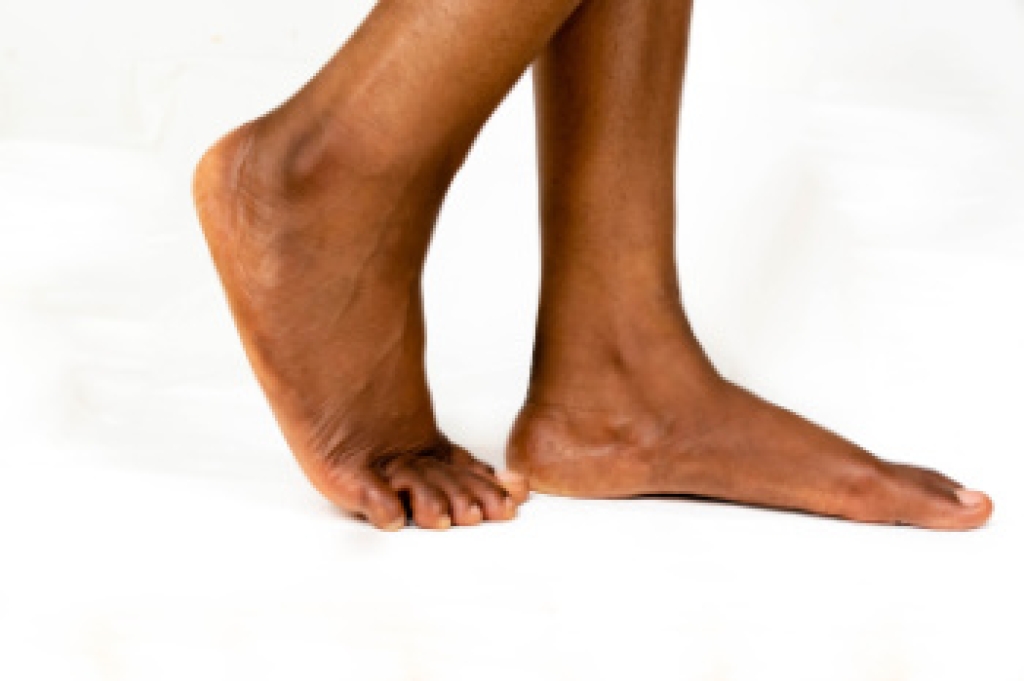

Read more about How to Treat Heel Spurs

Are You Suffering From Ingrown Toenails?

If left untreated, an ingrown toenail can lead to more serious concerns, such as an infection. Knowing proper nail care can help in the prevention of an ingrown toenail. Give us a call, and get treated!

The Benefits of Strengthening the Foot Muscles

When it comes to fitness, the majority of people focus on sculpting their biceps or toning their abs, often overlooking the feet, which are one of the most critical parts of the body. Foot muscle strengthening, however, offers numerous benefits that extend beyond just your feet. Strong foot muscles can enhance your balance and stability, reducing the risk of falls and injuries, in addition to contributing to better overall posture. When your feet are well-supported, it positively affects your alignment from the ground up. Strengthening the foot's arches and intrinsic muscles can also help to alleviate common foot problems such as plantar fasciitis and flat feet. Many athletes have found that stronger feet provide a solid foundation, and can improve their agility, speed, and power. Foot muscle strengthening can prevent overuse injuries that often occur due to weak or imbalanced foot muscles. Incorporating exercises consisting of toe scrunches, calf raises, and foot stretches into your routine can help you reap these benefits and maintain healthy, strong feet. If you would like to learn about how to perform specific foot stretches, it is suggested that you speak with a podiatrist who can provide you with the information you are seeking.

Exercising your feet regularly with the proper foot wear is a great way to prevent injuries and build strength. If you have any concerns about your feet, contact Kellvan Cheng, DPM from Elite Foot & Ankle. Our doctor can provide the care you need to keep you pain-free and on your feet.

Exercise for Your Feet

Exercise for your feet can help you gain strength, mobility and flexibility in your feet. They say that strengthening your feet can be just as rewarding as strengthening another part of the body. Your feet are very important, and we often forget about them in our daily tasks. But it is because of our feet that are we able to get going and do what we need to. For those of us fortunate enough to not have any foot problems, it is an important gesture to take care of them to ensure good health in the long run.

Some foot health exercises can include ankle pumps, tip-toeing, toe rises, lifting off the floor doing reps and sets, and flexing the toes. It is best to speak with Our doctor to determine an appropriate regimen for your needs. Everyone’s needs and bodies are different, and the activities required to maintain strength in the feet vary from individual to individual. 

Once you get into a routine of doing regular exercise, you may notice a difference in your feet and how strong they may become.

If you have any questions, please feel free to contact our office located in Carrollton, TX . We offer the newest diagnostic and treatment technologies for all your foot care needs.
Read more about Exercise for Your Feet

Causes and Care for Foot Blisters

Foot blisters are a common and painful skin condition that can disrupt your daily life. These small, fluid filled sacs form as a result of friction or pressure on the skin, typically caused by ill fitting shoes, prolonged periods of walking or running, or repetitive movements. Blisters can develop on any part of the foot, but they are most commonly found on the heels, toes, and soles. The body creates blisters as a protective mechanism and the clear fluid inside serves as a cushion to shield the underlying skin from further damage. While blisters will often heal on their own, it is important to avoid popping them as this can increase the risk of infection. Instead, keep the area clean, apply a sterile dressing, and protect it from further irritation. Wearing shoes that fit properly is a preventive measure, in addition to using friction reducing creams to minimize the likelihood of foot blisters. If you have developed blisters on your feet, it is suggested that you confer with a podiatrist who can offer you additional prevention methods.

Blisters may appear as a single bubble or in a cluster. They can cause a lot of pain and may be filled with pus, blood, or watery serum. If your feet are hurting, contact Kellvan Cheng, DPM of Elite Foot & Ankle. Our doctor can provide the care you need to keep you pain-free and on your feet.

Foot Blisters

Foot blisters are often the result of friction. This happens due to the constant rubbing from shoes, which can lead to pain.

What Are Foot Blisters?

A foot blister is a small fluid-filled pocket that forms on the upper-most layer of the skin. Blisters are filled with clear fluid and can lead to blood drainage or pus if the area becomes infected.

Symptoms

(Blister symptoms may vary depending on what is causing them)

  • Bubble of skin filled with fluid
  • Redness
  • Moderate to severe pain
  • Itching

Prevention & Treatment

In order to prevent blisters, you should be sure to wear comfortable shoes with socks that cushion your feet and absorb sweat. Breaking a blister open may increase your chances of developing an infection. However, if your blister breaks, you should wash the area with soap and water immediately and then apply a bandage to the affected area. If your blisters cause severe pain it is important that you call your podiatrist right away.

If you have any questions, please feel free to contact our office located in Carrollton, TX . We offer the newest diagnostic and treatment technologies for all your foot care needs.
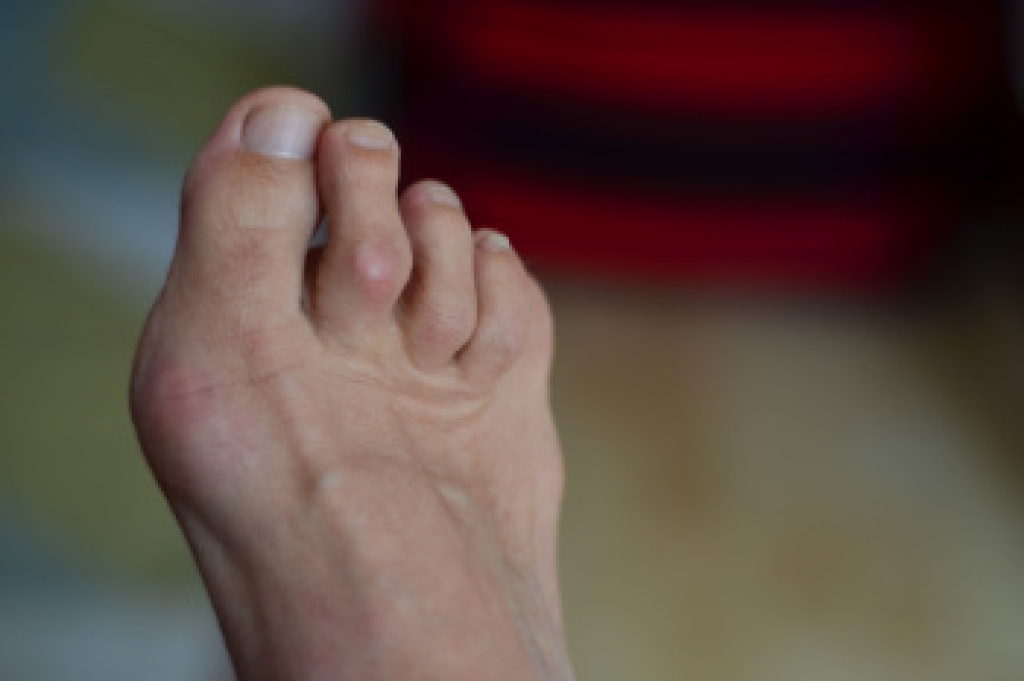
Read more about Blisters on the Feet

Understanding Flat Feet and Easing the Pain

Flat feet, medically known as pes planus, is a common condition where the arches of the feet appear flattened, causing the entire sole to make contact with the ground. Flat feet can be a result of genetics, injury, or muscle weakness. While many individuals with flat feet may not experience pain, others can suffer from discomfort and fatigue, especially during prolonged periods of standing or physical activity. Fortunately, there are steps that can be taken which may help to alleviate flat feet pain. This can begin by wearing supportive shoes with arch support and cushioning. Custom orthotic inserts can also provide additional support and comfort. Stretching exercises for the Achilles tendon and calf muscles can help improve foot flexibility. Additionally, performing strengthening exercises for the foot and ankle muscles can enhance arch support. By addressing flat feet and taking proactive measures, you can find relief from discomfort and improve your overall foot health. If you have flat feet, it is suggested that you visit a podiatrist who can guide you toward additional relief options.

Flatfoot is a condition many people suffer from. If you have flat feet, contact Kellvan Cheng, DPM from Elite Foot & Ankle. Our doctor will treat your foot and ankle needs.

What Are Flat Feet?

Flatfoot is a condition in which the arch of the foot is depressed and the sole of the foot is almost completely in contact with the ground. About 20-30% of the population generally has flat feet because their arches never formed during growth.

Conditions & Problems:

Having flat feet makes it difficult to run or walk because of the stress placed on the ankles.

Alignment – The general alignment of your legs can be disrupted, because the ankles move inward which can cause major discomfort.

Knees – If you have complications with your knees, flat feet can be a contributor to arthritis in that area.  

Symptoms

  • Pain around the heel or arch area
  • Trouble standing on the tip toe
  • Swelling around the inside of the ankle
  • Flat look to one or both feet
  • Having your shoes feel uneven when worn

Treatment

If you are experiencing pain and stress on the foot you may weaken the posterior tibial tendon, which runs around the inside of the ankle. 

If you have any questions, please feel free to contact our office located in Carrollton, TX . We offer the newest diagnostic and treatment technologies for all your foot care needs.

Read more about Flat Feet
Connect with us