
Dallas Metro / North Texas
(214) 710-1028
Blog
What to Do About Gout
Gout is a type of arthritis caused by the accumulation of uric acid crystals in the joints, often affecting the feet, particularly the big toe. It leads to sudden, severe pain, in addition to redness and swelling. Gout predominantly affects middle-aged men and postmenopausal women, especially those with a diet high in purines, a substance found in red meat and alcohol. The condition is often diagnosed through blood tests measuring uric acid levels and joint fluid analysis to detect urate crystals. Treatment focuses on reducing pain and inflammation with nonsteroidal anti-inflammatory drugs, corticosteroids, or colchicine. Long-term management includes medications like allopurinol or febuxostat to lower uric acid levels. For foot-specific care, patients may elevate the affected foot and wear comfortable, supportive footwear to alleviate symptoms and prevent flare-ups. Preventing gout involves maintaining a healthy diet, staying hydrated, and avoiding foods high in purines. Regular exercise and weight management are also critical. If you have gout that is negatively impacting your feet, it is suggested that you consult a podiatrist for specialized care and tailored advice.
Gout is a foot condition that requires certain treatment and care. If you are seeking treatment, contact Kellvan Cheng, DPM from Elite Foot & Ankle. Our doctor will treat your foot and ankle needs.
What Is Gout?
Gout is a type of arthritis caused by a buildup of uric acid in the bloodstream. It often develops in the foot, especially the big toe area, although it can manifest in other parts of the body as well. Gout can make walking and standing very painful and is especially common in diabetics and the obese.
People typically get gout because of a poor diet. Genetic predisposition is also a factor. The children of parents who have had gout frequently have a chance of developing it themselves.
Gout can easily be identified by redness and inflammation of the big toe and the surrounding areas of the foot. Other symptoms include extreme fatigue, joint pain, and running high fevers. Sometimes corticosteroid drugs can be prescribed to treat gout, but the best way to combat this disease is to get more exercise and eat a better diet.
If you have any questions, please feel free to contact our office located in Carrollton, TX . We offer the newest diagnostic and treatment technologies for all your foot care needs.
Caregiver Help in Everyday Foot Care
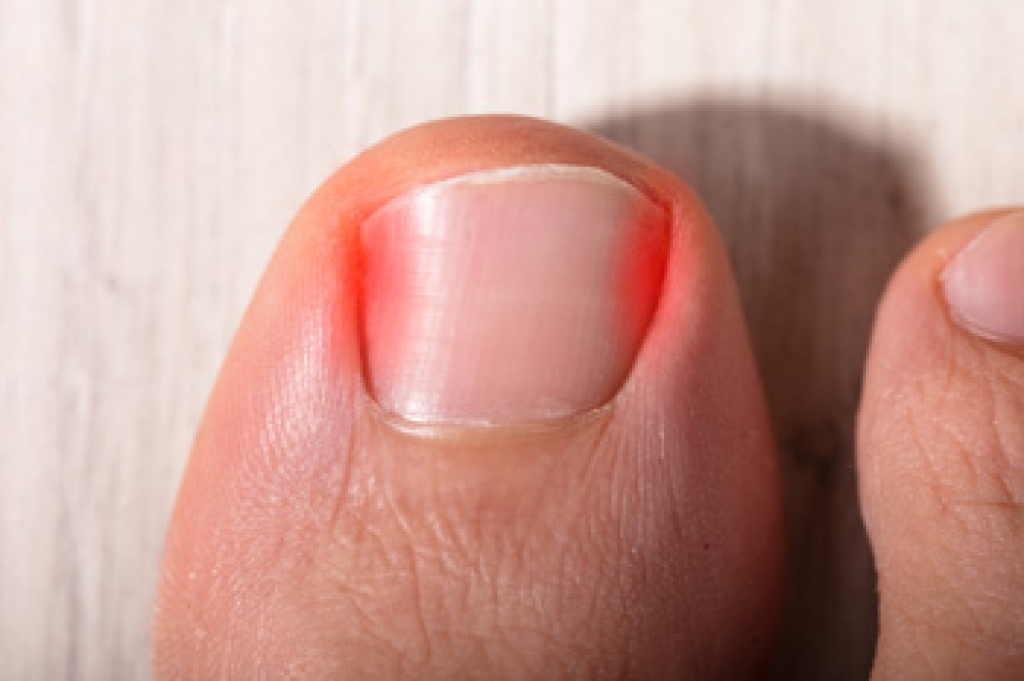
Caregivers play a vital role in maintaining the foot and toenail health of those they assist. Regular inspection of the feet is important, checking for any signs of redness, swelling, cuts, or infections. Toenails should be trimmed straight across to prevent ingrown toenails, and the edges can be gently filed to remove sharp corners. Keeping feet clean and dry helps prevent fungal infections, while moisturizing can prevent dry, cracked skin. It is also important to ensure that shoes and socks fit properly to avoid pressure points and blisters. Elevating the feet periodically can improve circulation, especially for those who are less mobile. Any signs of infection or persistent foot problems should be addressed promptly. If you are a caregiver, it is suggested that you include a podiatrist on the healthcare team to ensure specialized care and early intervention for any foot-related issues.
Everyday foot care is very important to prevent infection and other foot ailments. If you need your feet checked, contact Kellvan Cheng, DPM from Elite Foot & Ankle. Our doctor can provide the care you need to keep you pain-free and on your feet.
Everyday Foot Care
Often, people take care of their bodies, face and hair more so than they do for their feet. But the feet are a very important aspect of our bodies, and one that we should pay more attention to. Without our feet, we would not be able to perform most daily tasks.
It is best to check your feet regularly to make sure there are no new bruises or cuts that you may not have noticed before. For dry feet, moisturizer can easily be a remedy and can be applied as often as necessary to the affected areas. Wearing shoes that fit well can also help you maintain good foot health, as well as making it easier to walk and do daily activities without the stress or pain of ill-fitting shoes, high heels, or even flip flops. Wearing clean socks with closed shoes is important to ensure that sweat and bacteria do not accumulate within the shoe. Clean socks help to prevent Athlete’s foot, fungi problems, bad odors, and can absorb sweat.
If you have any questions, please feel free to contact our office located in Carrollton, TX . We offer the newest diagnostic and treatment technologies for all your foot care needs.
How Obesity Can Cause Heel Pain

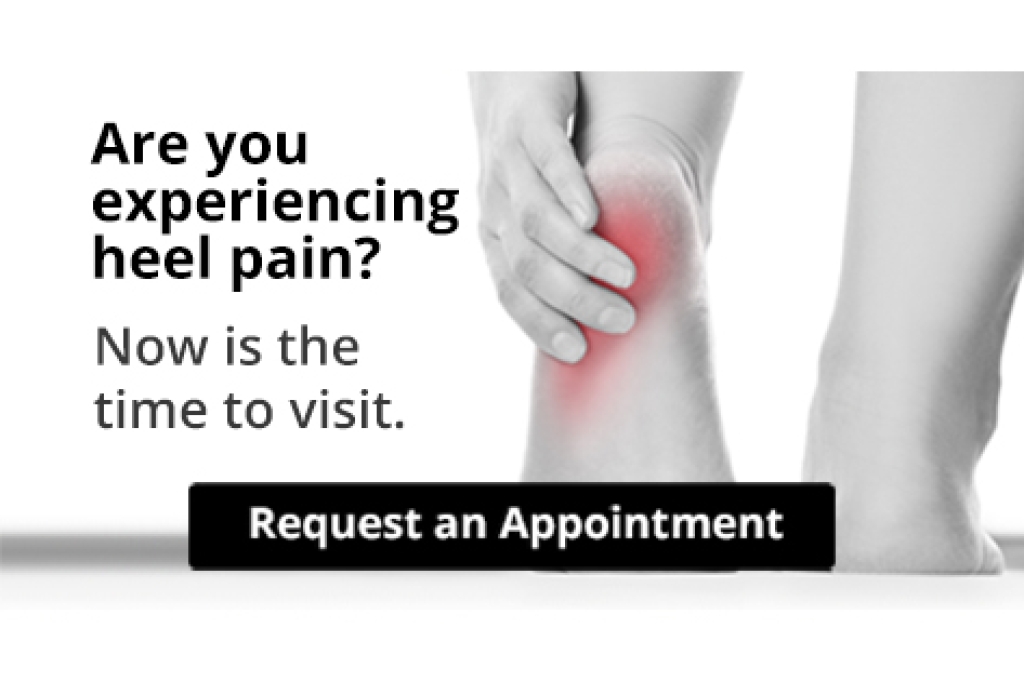
Obesity significantly increases the risk of developing plantar fasciitis, a painful condition that affects the heel and arch of the foot. Excess body weight places strain on the plantar fascia, the thick tissue band connecting the heel bone to the toes, leading to inflammation and microtears. This pressure not only causes severe pain but can also prolong the healing process. Individuals who are overweight are more likely to experience persistent pain and difficulty with daily activities, such as walking or standing. Extra body weight adds to other factors that contribute to plantar fasciitis, such as poor foot mechanics and inadequate footwear. If you are experiencing symptoms like sharp heel pain, particularly in the morning, it is suggested that you make an appointment with a podiatrist. This medically trained foot doctor can examine your feet and suggest treatment that may include orthotics, specific exercises, and weight-related lifestyle adjustments.
Obesity has become very problematic at this point in time and can have extremely negative effects on the feet. If you’re an obese individual and are concerned about your feet, contact Kellvan Cheng, DPM from Elite Foot & Ankle. Our doctor can provide the care you need to keep you pain-free and on your feet.
Obesity and Your Feet
Since your feet are what support your entire weight when standing, any additional weight can result in pain and swelling. Being overweight is one of the main contributors to foot complications.
Problems & Complications
Extra Weight – Even putting on just a few extra pounds could create serious complications for your feet. As your weight increases, your balance and body will shift, creating new stresses on your feet. This uneven weight distribution can cause pain, even while doing the simplest tasks, such as walking.
Diabetes – People who are overweight are at serious risk of developing type-2 diabetes, which has a drastic impact on the health of your feet. As you get older, your diabetes might worsen, which could lead to loss of feeling in your feet, sores, and bruises. You could also become more prone to various infections.
Plantar fasciitis – Pressure and stress that is placed on muscles, joints, and tendons can trigger plantar fasciitis, which is an inflammation of tissue that forms along the bottom of the foot.
If you have any questions, please feel free to contact our office located in Carrollton, TX . We offer the newest diagnostic and treatment technologies for all your foot care needs.
Children's Foot Blisters and Prevention Tips

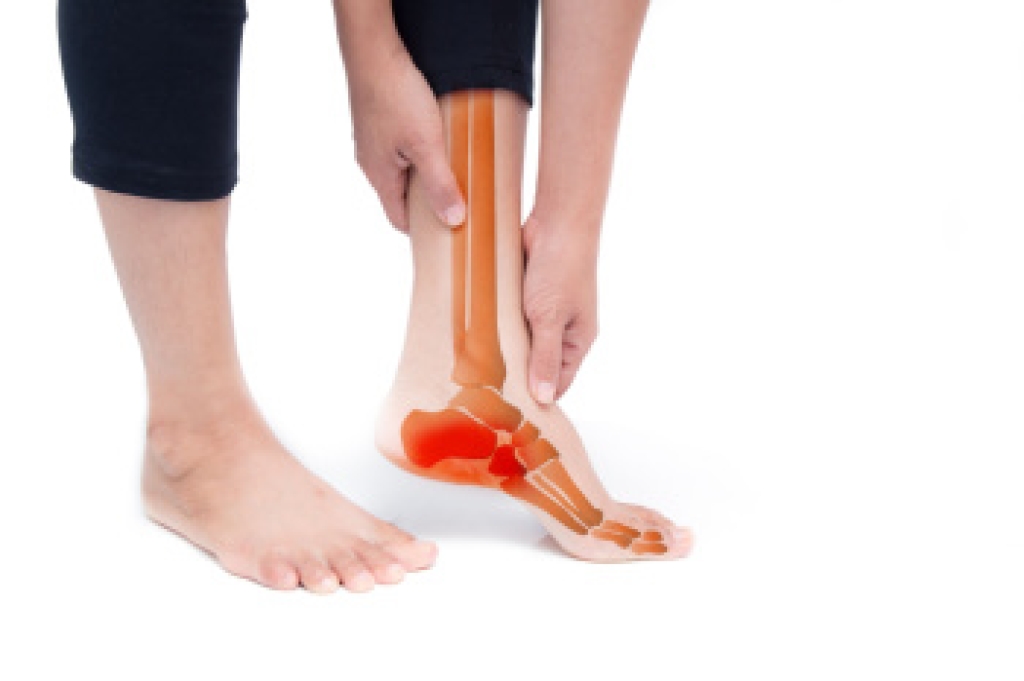
Foot blisters in children often stem from friction caused by wearing ill-fitting shoes or excessive moisture buildup. Improperly sized footwear can rub against delicate skin, leading to painful blisters. Prolonged periods of activity, especially in hot or humid conditions, can also exacerbate the problem by increasing sweat production, which softens the skin and heightens friction. Additionally, wearing socks made from non-breathable materials can contribute to moisture accumulation, creating a conducive environment for blister formation. To prevent these discomforts, it is vital to ensure that children wear properly fitted shoes with ample room for their growing feet. Opting for moisture-wicking socks made from breathable fabrics can also help keep feet dry and reduce friction. Encouraging breaks during physical activities and teaching children to recognize early signs of discomfort can prompt timely adjustments, preventing blisters from worsening. If your child has a foot blister that has become infected, or if recurring blisters develop, it is suggested that you consult a podiatrist who can offer effective treatment and prevention tips.
Blisters may appear as a single bubble or in a cluster. They can cause a lot of pain and may be filled with pus, blood, or watery serum. If your feet are hurting, contact Kellvan Cheng, DPM of Elite Foot & Ankle. Our doctor can provide the care you need to keep you pain-free and on your feet.
Foot Blisters
Foot blisters are often the result of friction. This happens due to the constant rubbing from shoes, which can lead to pain.
What Are Foot Blisters?
A foot blister is a small fluid-filled pocket that forms on the upper-most layer of the skin. Blisters are filled with clear fluid and can lead to blood drainage or pus if the area becomes infected.
Symptoms
(Blister symptoms may vary depending on what is causing them)
- Bubble of skin filled with fluid
- Redness
- Moderate to severe pain
- Itching
Prevention & Treatment
In order to prevent blisters, you should be sure to wear comfortable shoes with socks that cushion your feet and absorb sweat. Breaking a blister open may increase your chances of developing an infection. However, if your blister breaks, you should wash the area with soap and water immediately and then apply a bandage to the affected area. If your blisters cause severe pain it is important that you call your podiatrist right away.
If you have any questions, please feel free to contact our office located in Carrollton, TX . We offer the newest diagnostic and treatment technologies for all your foot care needs.
Blog Archives
- 2026
- 2025
- 2024
- 2023
- 2022
- 2021
- 2020
- 2019
- 2018
- 2017