
Dallas Metro / North Texas
(214) 710-1028

Foot Conditions May Develop From Having Rheumatoid Arthritis

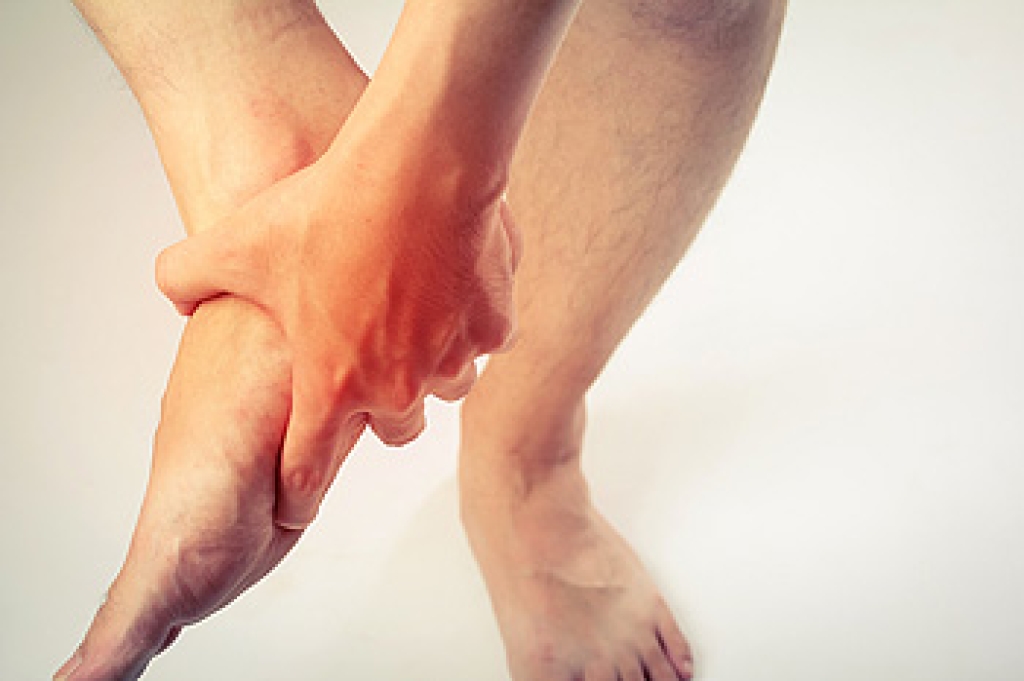
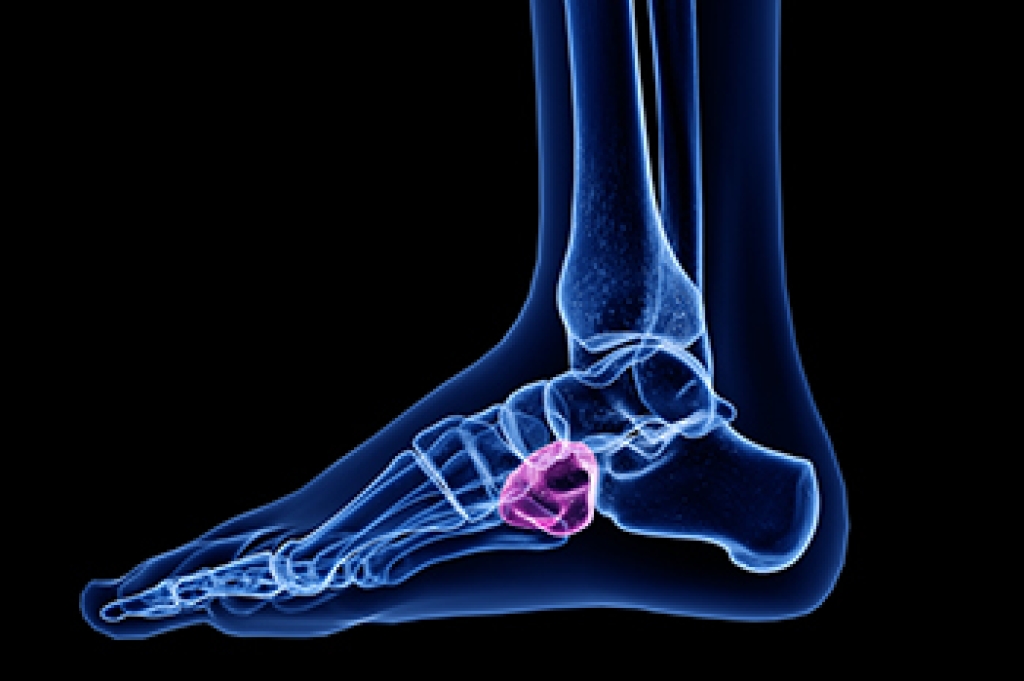
There are many people who suffer from the condition that is known as rheumatoid arthritis. The feet can become affected by this ailment which may lead to other foot conditions arising. Permanent relief may be found when foot surgery is performed. Rheumatoid arthritis may lead to the development of bunions. This produces a large, bony protrusion on the side of the big toe and may be the result of the toes shifting due to the arthritic disease. Bunion surgery involves cutting the affected bones in the foot and realigning them in a normal position. Additionally, arthritis may damage specific joints in the foot and a fusion may be needed that can help to reduce pain. There are many benefits to having foot surgery performed such as resuming normal functions of the feet, completing daily activities without pain, and wearing appropriate footwear. If you have chronic pain in your feet or you are afflicted with arthritis, please confer with a podiatrist who can determine if foot surgery is right for you.

Foot surgery is sometimes necessary to treat a foot ailment. To learn more, contact Kellvan Cheng, DPM of Elite Foot & Ankle. Our doctor will assist you with all of your foot and ankle needs.

When Is Surgery Necessary?

Foot and ankle surgery is generally reserved for cases in which less invasive, conservative procedures have failed to alleviate the problem. Some of the cases in which surgery may be necessary include:

  • Removing foot deformities like bunions and bone spurs
  • Severe arthritis that has caused bone issues
  • Cosmetic reconstruction

What Types of Surgery Are There?

The type of surgery you receive will depend on the nature of the problem you have. Some of the possible surgeries include:

  • Bunionectomy for painful bunions
  • Surgical fusion for realignment of bones
  • Neuropathy decompression surgery to treat nerve damage

Benefits of Surgery

Although surgery is usually a last resort, it can provide more complete pain relief compared to non-surgical methods and may allow you to finally resume full activity.

Surgical techniques have also become increasingly sophisticated. Techniques like endoscopic surgery allow for smaller incisions and faster recovery times.

If you have any questions, please feel free to contact our office located in Carrollton, TX . We offer the newest diagnostic and treatment technologies for all your foot care needs.

Read more about Foot and Ankle Surgery

How Lupus Can Affect the Feet

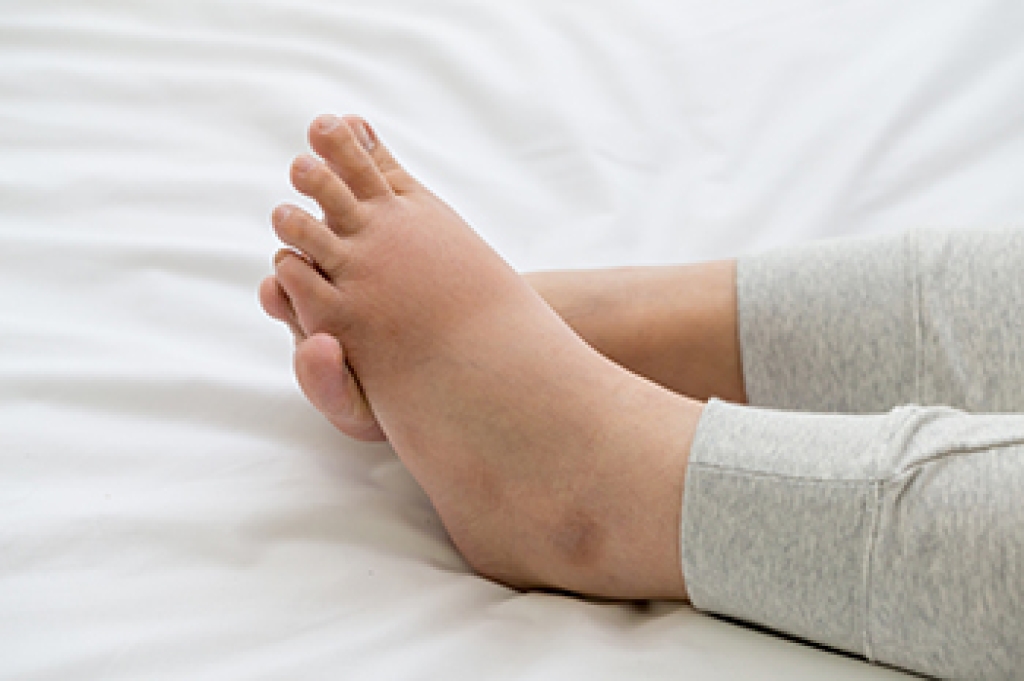
A person with lupus might experience swelling in the feet and ankles because the inflammation of lupus attacks the kidneys, which can lead to fluid build-up or edema of the lower extremities. Swelling can make movement uncomfortable, lead to pain, and become more serious if left untreated. Reducing sodium in the diet and controlling high blood pressure can help with swelling.  It is also wise to discuss medicines that can ease pain with a podiatrist. A podiatrist can provide valuable education on how Lupus affects the feet and assist in devising a customized treatment plan to control symptoms.

When dealing with systemic disease of the feet, it is extremely important to check the affected areas routinely so that any additional problems are caught quickly.  If you have any concerns about your feet and ankles contact Kellvan Cheng, DPM from Elite Foot & Ankle. Our doctor will assist you with all of your podiatric needs.

Systemic Diseases of the Feet

Systemic diseases affect the whole body, and symptoms usually are displayed in the feet. This condition can make a patient’s ability to walk unbearable.  Systemic diseases include gout, diabetes mellitus, neurological disorders, and arthritis.

Gout – is caused by an excess of uric acid in the body. Common symptoms include pain, inflammation, and redness at the metatarsal/phalangeal joint of the base big toe. Gout can be treated by NSAIDs to relieve pain and inflammation, and other drugs that lower the acid levels in the body.

Diabetes mellitus – is an increase in the level of blood sugar that the body cannot counteract with its own insulin. Failure to produce enough insulin is a factor in Diabetes.

Diabetes of the Feet

Diabetic Neuropathy – may lead to damaged nerves and affect the feet through numbness and loss of sensation.

Peripheral Vascular Disease – can restrict the blood flow to the feet, and often times lead to amputation of the feet. 

If you have any questions please contact our office located in Carrollton, TX . We offer the newest diagnostic and treatment technologies for all your foot and ankle needs.

Read more about Systemic Diseases of the Foot

Vascular Foot Testing with Diabetes

When a person has diabetes, it is important to have annual foot checks, which might include vascular and possibly other testing of the feet. Neuropathy is a common complication of diabetes that interferes with feeling in the feet. This can lead to undetected foot sores or ulcers that are left untreated and can lead to foot amputation. A qualified podiatrist will palpate the Dorsal Pedis and Posterior Tibial arteries looking for pulses, review the skin quality, and check capillaries. Things like hair loss, thin, smooth, shiny skin, thick, brittle nails, and tapering toes are noted as they might indicate changes in artery function. Fissuring, particularly in the heels and oedema are checked as these may indicate “ischaemia” or buildup or blockage in the arteries. Diabetics can take action to protect their feet from vascular issues by wearing properly fitting shoes and socks, regular exercise, taking medications as prescribed, and weight management. Regular visits to a podiatrist should be scheduled to stay on top of foot health of diabetics. 


Vascular testing plays an important part in diagnosing disease like peripheral artery disease. If you have symptoms of peripheral artery disease, or diabetes, consult with Kellvan Cheng, DPM from Elite Foot & Ankle. Our doctor will assess your condition and provide you with quality foot and ankle treatment.

What Is Vascular Testing?

Vascular testing checks for how well blood circulation is in the veins and arteries. This is most often done to determine and treat a patient for peripheral artery disease (PAD), stroke, and aneurysms. Podiatrists utilize vascular testing when a patient has symptoms of PAD or if they believe they might. If a patient has diabetes, a podiatrist may determine a vascular test to be prudent to check for poor blood circulation.

How Is it Conducted?

Most forms of vascular testing are non-invasive. Podiatrists will first conduct a visual inspection for any wounds, discoloration, and any abnormal signs prior to a vascular test.

 The most common tests include:

  • Ankle-Brachial Index (ABI) examination
  • Doppler examination
  • Pedal pulses

These tests are safe, painless, and easy to do. Once finished, the podiatrist can then provide a diagnosis and the best course for treatment.

If you have any questions please contact our office located in Carrollton, TX . We offer the newest diagnostic and treatment technologies for all your foot and ankle needs.

Read more about Vascular Testing in Podiatry

Unsightly Cracked Heels

Medical conditions that can include psoriasis and eczema may lead to unsightly cracked heels. It is an ailment that is caused by dry skin, and it can happen for a variety of reasons. The skin on the heels can become dry and cracked from wearing shoes that do not have a back, standing on hard surfaces for the majority of the day, or from living in a dry climate. It may be beneficial to drink plenty of fresh water daily, in addition to applying a good moisturizer on the feet before bed. In severe cases, cracks can cause pain and discomfort. Many patients find it helpful to wear shoes that are closed to protect the skin on the heels. If you suffer from this condition, it is suggested that you schedule an appointment with a podiatrist who can effectively treat this condition. 

Cracked heels are unsightly and can cause further damage to your shoes and feet. If you have any concerns, contact Kellvan Cheng, DPM from Elite Foot & Ankle. Our doctor can provide the care you need to keep you pain-free and on your feet.

Cracked Heels

Cracked heels appear unappealing and can make it harder for you walk around in sandals. Aside from looking unpleasant, cracked heels can also tear stockings, socks, and wear out your shoes. There are several methods to help restore a cracked heel and prevent further damage.

How Do You Get Them?

Dry skin is the number one culprit in creating cracked heels. Many athletes, walkers, joggers, and even swimmers suffer from cracked heels. Age and skin oil production play a role to getting cracked heels as well.

Promote Healing

Over the counter medicines can help, especially for those that need instant relief or who suffer from chronic dry feet.

Wear Socks – Wearing socks with medicated creams helps lock in moisture.

Moisturizers – Applying both day and night will help alleviate dryness which causes cracking.

Pumice Stones – These exfoliate and remove dead skin, which allows for smoother moisturizer application and better absorption into the skin. 

Change in Diet

Eating healthy with a well-balanced diet will give the skin a fresh and radiant look. Your body responds to the kinds of food you ingest. Omega-3 fatty acids and zinc supplements can also revitalize skin tissue.

Most importantly, seek professional help if unsure how to proceed in treating cracked heels. A podiatrist will help you with any questions or information needed. 

If you have any questions, please feel free to contact our office located in Carrollton, TX . We offer the newest diagnostic and treatment technologies for all your foot care needs.

Read more about Solutions for Cracked Heels
Connect with us