Dallas Metro / North Texas
(214) 710-1028

Elderly Foot and Ankle Problems

Foot and ankle problems are prevalent medical issues, particularly among the elderly, who often suffer from pain, stiffness, swelling, or deformities. Common diagnoses include conditions such as corns, athlete's foot, bunions, flat feet, ingrown nails, and warts. Aging-related muscle mass and loss of bone strength may increase seniors' risk for injuries and fractures, compounded by balance and vision issues. Key foot and ankle injuries in the elderly include ankle sprains, where the ligaments are overstretched or torn, potentially weakening the ankle and leading to arthritis, if untreated. Achilles tendonitis and tears are also common. The Achilles is vulnerable to inflammation and overuse, which can escalate to tears or ruptures, especially with sudden trauma. Ankle fractures are serious injuries from traumatic impact, requiring immediate podiatric attention to prevent complications such as infections. The spectrum of foot and ankle injuries in the elderly ranges from minor, treatable conditions to severe injuries necessitating medical intervention, highlighting the need for attentive care to prevent these issues. If you are elderly and have foot or ankle problems, it is suggested that you make an appointment with a podiatrist for a proper diagnosis and treatment.

Ankle pain can be caused by a number of problems and may be potentially serious. If you have ankle pain, consult with Kellvan Cheng, DPM from Elite Foot & Ankle. Our doctor will assess your condition and provide you with quality foot and ankle treatment.

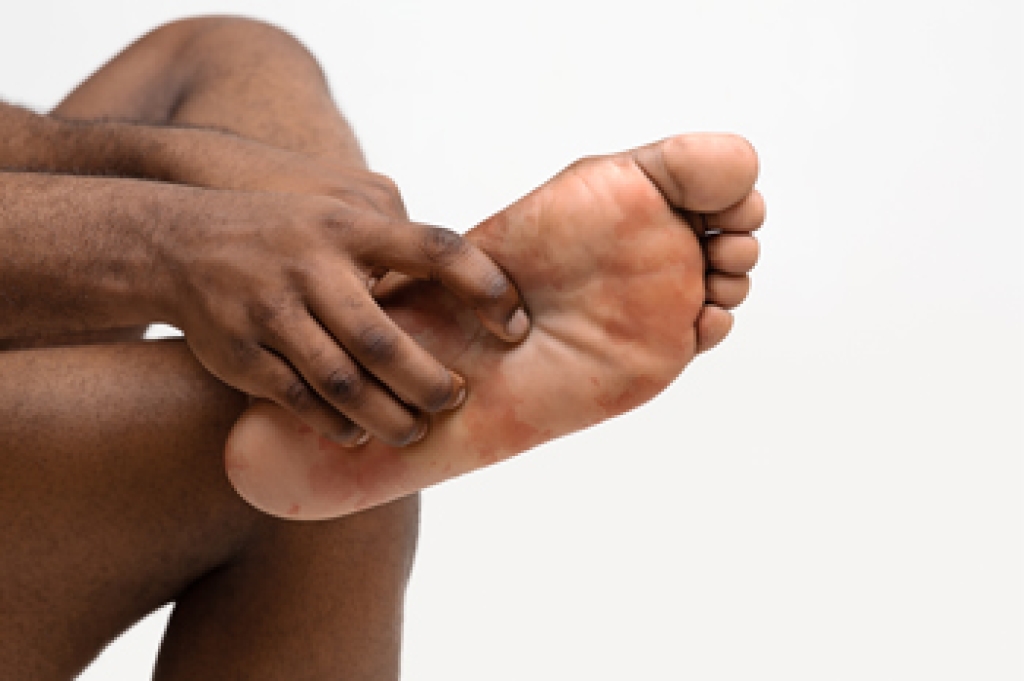
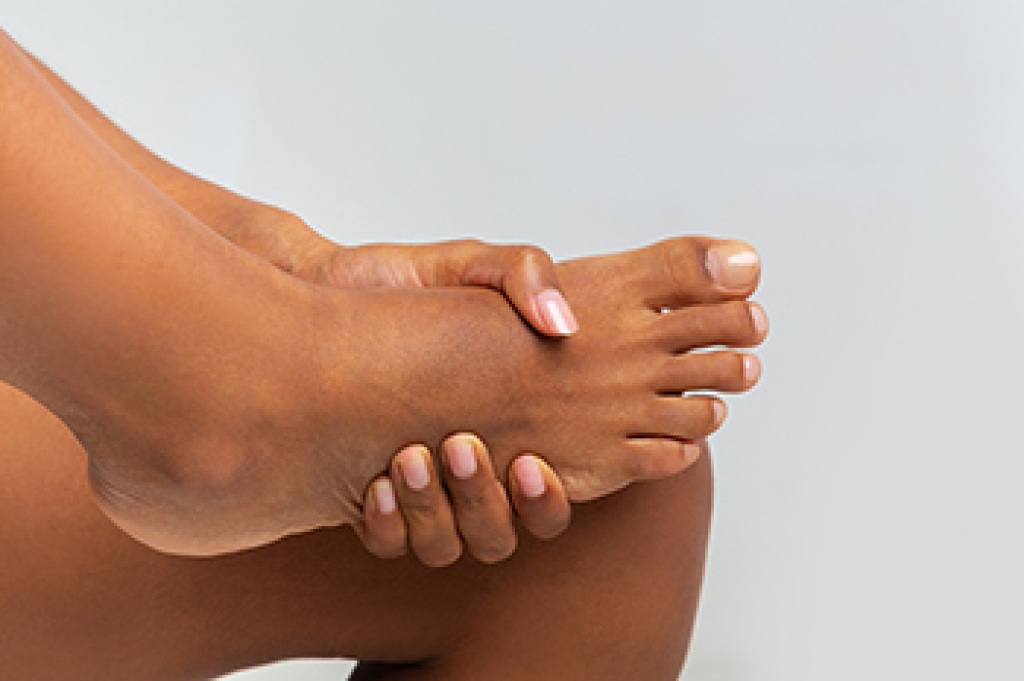
Ankle pain is any condition that causes pain in the ankle. Due to the fact that the ankle consists of tendons, muscles, bones, and ligaments, ankle pain can come from a number of different conditions.

Causes

The most common causes of ankle pain include:

  • Types of arthritis (rheumatoid, osteoarthritis, and gout)
  • Ankle sprains
  • Broken ankles
  • Achilles tendonitis
  • Achilles tendon rupture
  • Stress fractures
  • Bursitis
  • Tarsal tunnel syndrome
  • Plantar fasciitis

Symptoms

Symptoms of ankle injury vary based upon the condition. Pain may include general pain and discomfort, swelling, aching, redness, bruising, burning or stabbing sensations, and/or loss of sensation.

Diagnosis

Due to the wide variety of potential causes of ankle pain, podiatrists will utilize a number of different methods to properly diagnose ankle pain. This can include asking for personal and family medical histories and of any recent injuries. Further diagnosis may include sensation tests, a physical examination, and potentially x-rays or other imaging tests.

Treatment

Just as the range of causes varies widely, so do treatments. Some more common treatments are rest, ice packs, keeping pressure off the foot, orthotics and braces, medication for inflammation and pain, and surgery.

If you have any questions please feel free to contact our office located in Carrollton, TX . We offer the newest diagnostic tools and technology to treat your foot and ankle needs.
Read more about Various Causes of Ankle Pain

What is Plantar Fasciosis?

Pain on the bottom of the foot, particularly in the heel area, may be caused by plantar fasciosis, a condition often mistaken for plantar fasciitis. Unlike the latter, plantar fasciosis is characterized by repetitive stress on the plantar fascia rather than inflammation. Plantar fasciosis can develop due to a sedentary lifestyle, wearing high-heeled shoes, or having abnormal foot arches. Tight calf muscles or Achilles tendons also may contribute, and for that reason plantar fasciosis is common among runners, dancers, and anyone with poor foot posture. A sudden increase in activity or a shift to wearing less supportive footwear such as sandals, are other causes. The main symptom of plantar fasciosis is intense heel pain, particularly when first bearing weight in the morning or after periods of rest. A proper diagnosis involves a thorough examination of the foot and may include imaging tests. Understanding the difference between plantar fasciosis and plantar fasciitis is key to effective management of this type of pain. If you are grappling with persistent heel pain, it is suggested that you schedule an appointment with a podiatrist for a diagnosis and the appropriate treatment options. 

Many people suffer from bouts of heel pain. For more information, contact Kellvan Cheng, DPM of Elite Foot & Ankle. Our doctor can provide the care you need to keep you pain-free and on your feet.

Causes of Heel Pain

Heel pain is often associated with plantar fasciitis. The plantar fascia is a band of tissues that extends along the bottom of the foot. A rip or tear in this ligament can cause inflammation of the tissue.

Achilles tendonitis is another cause of heel pain. Inflammation of the Achilles tendon will cause pain from fractures and muscle tearing. Lack of flexibility is also another symptom.

Heel spurs are another cause of pain. When the tissues of the plantar fascia undergo a great deal of stress, it can lead to ligament separation from the heel bone, causing heel spurs.

Why Might Heel Pain Occur?

  • Wearing ill-fitting shoes                
  • Wearing non-supportive shoes
  • Weight change           
  • Excessive running

Treatments

Heel pain should be treated as soon as possible for immediate results. Keeping your feet in a stress-free environment will help. If you suffer from Achilles tendonitis or plantar fasciitis, applying ice will reduce the swelling. Stretching before an exercise like running will help the muscles. Using all these tips will help make heel pain a condition of the past.

If you have any questions, please feel free to contact our office located in Carrollton, TX . We offer the newest diagnostic and treatment technologies for all your foot care needs.

Read more about Heel Pain

Dealing With Foot Pain

Foot pain can stem from a myriad of causes, each intricately tied to the complex structure of the foot. One prevalent contributor is improper footwear, as shoes with an ill fit or high heels can induce foot pain and disorders. The foot, supporting the body's weight, is susceptible to injuries during high-impact activities like running or aerobics. These activities can lead to ligament sprains, muscle or tendon strains, and foot bone fractures. Degenerative conditions such as osteoarthritis and rheumatoid arthritis may also play a role in foot pain. Osteoarthritis arises from cartilage overuse around joints, commonly affecting the big toe, ankle, and midfoot. Meanwhile, rheumatoid arthritis introduces pain, stiffness, swelling, soreness, and warmth in the foot and ankle joints. Diabetes, with its repercussions like nerve damage, reduced blood flow, and ulcers, often contributes significantly to foot pain. Numerous other conditions further complicate foot health, including plantar fasciitis and Achilles’ tendonitis. Corns, calluses, bunions, and plantar warts are other sources of foot pain. Ingrown toenails, Morton’s neuroma, and hammertoes may induce pain in parts of the foot. Peripheral arterial disease, gout, and flat feet are still other conditions that generate foot pain. If you experience any type of foot pain that persists or gets worse, it is suggested that you make an appointment with a podiatrist.

Foot Pain

Foot pain can be extremely painful and debilitating. If you have a foot pain, consult with Kellvan Cheng, DPM from Elite Foot & Ankle. Our doctor will assess your condition and provide you with quality foot and ankle treatment.

Causes

Foot pain is a very broad condition that could be caused by one or more ailments. The most common include:

  • Bunions
  • Hammertoes
  • Plantar Fasciitis
  • Bone Spurs
  • Corns
  • Tarsal Tunnel Syndrome
  • Ingrown Toenails
  • Arthritis (such as Gout, Rheumatoid, and Osteoarthritis)
  • Flat Feet
  • Injury (from stress fractures, broken toe, foot, ankle, Achilles tendon ruptures, and sprains)
  • And more

Diagnosis

To figure out the cause of foot pain, podiatrists utilize several different methods. This can range from simple visual inspections and sensation tests to X-rays and MRI scans. Prior medical history, family medical history, and any recent physical traumatic events will all be taken into consideration for a proper diagnosis.

Treatment

Treatment depends upon the cause of the foot pain. Whether it is resting, staying off the foot, or having surgery; podiatrists have a number of treatment options available for foot pain.

If you have any questions, please feel free to contact our office located in Carrollton, TX . We offer the newest diagnostic and treatment technologies for all your foot care needs.

Read more about Foot Pain

Shoe Types and Proper Fitting

Podiatrists play a vital role in advising on shoe types and ensuring proper fitting, which is essential for foot health and comfort. They begin by evaluating the individual's foot shape, size, arch type, and any specific foot conditions, such as flat feet or high arches. Understanding these characteristics allows them to recommend shoes that provide the right support and fit. Podiatrists often suggest footwear with adequate cushioning, arch support, and a proper toe box size to accommodate the foot comfortably without causing pressure. For those with specific foot problems or unique biomechanical needs, podiatrists may recommend custom-made orthotic inserts. These inserts are designed to fit perfectly within the shoe, providing additional support and aligning the foot correctly to reduce strain and prevent injuries. Podiatrists also educate on the importance of replacing shoes regularly, especially for active individuals, as worn-out shoes can lead to poor foot alignment and increased injury risk. If you would like counsel on selecting the right shoe and size for you or your family members, it is suggested that you make an appointment with a podiatrist for this type of guidance.

Getting the right shoe size is an important part of proper foot health. Seek the assistance of Kellvan Cheng, DPM from Elite Foot & Ankle. Our doctor will provide the care you need to keep you pain-free and on your feet.

Getting the Right Shoe Size

There are many people who wear shoes that are the incorrect size, negatively affecting their feet and posture. Selecting the right shoes is not a difficult process, so long as you keep several things in mind when it comes to choosing the right pair.

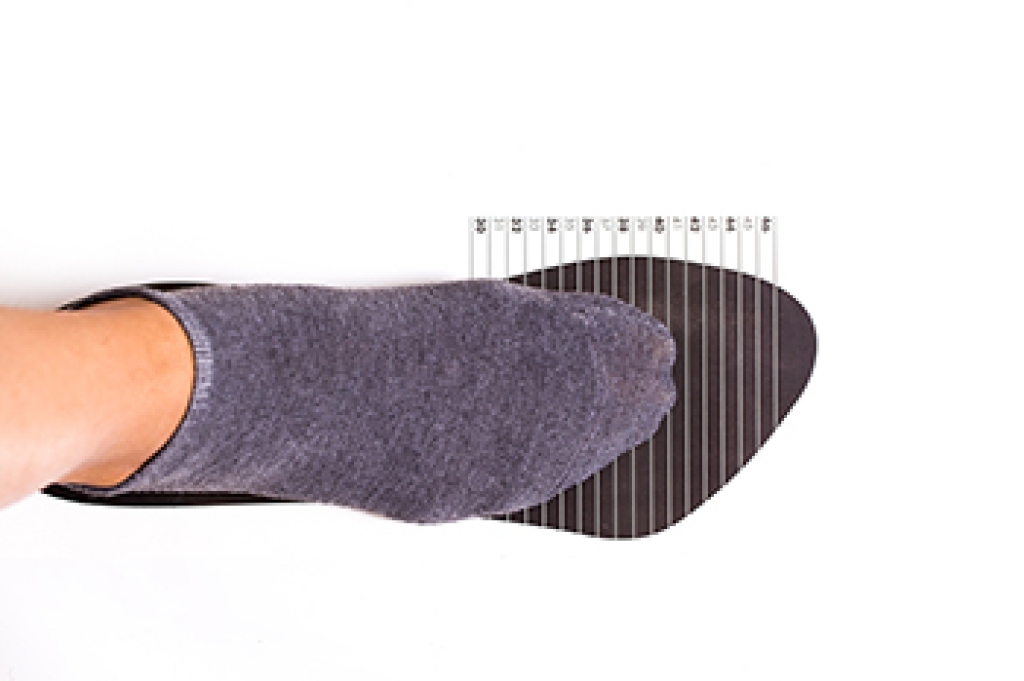
  • When visiting the shoe store, use the tools available to measure your foot.
  • Be sure there is ‘wiggle room’. There should be about an inch between your toes and the tip of your shoes.
  • Do not always assume you are the same size, as manufacturers run differently.
  • Purchase shoes later in the day, as your feet swell as the day progresses.
  • If a shoe is not comfortable, it is not suitable. Most shoes can’t be ‘broken in’, and comfort should be the ultimate goal when it comes to choosing the right pair of shoes

As our feet hold our body weight and keep us moving, it is important to treat them right. Picking the right pair of shoes can provide your feet comfort and mobility without pain.

If you have any questions, please feel free to contact our office located in Carrollton, TX . We offer the newest diagnostic and treatment technologies for all your foot care needs.

Read more about Getting the Right Shoe Size

Gout Pain Can Be Managed

Gout is a painful, inflammatory form of arthritis. Those affected will typically feel an intense stiffness in the joints of their feet, particularly in the big toe. Schedule a visit to learn about how gout can be managed and treated.

Causes of Second Toe Pain

Second toe pain, though often dismissed as a minor inconvenience, can reveal underlying issues that demand attention. The causes of this discomfort are diverse and can range from mechanical factors to underlying health conditions. Ill-fitting footwear, particularly shoes that squeeze the toes or have inadequate arch support, can contribute to pain in the second toe. Structural abnormalities, such as hammertoe or a longer second toe, may also be culprits. Injuries, whether acute or from repetitive stress, can lead to pain and inflammation. Arthritis affecting the joints in the toe, or conditions like Morton's neuroma, wherein a nerve becomes irritated, can contribute to discomfort as well. Understanding the multifaceted nature of second toe pain is important for identifying the root cause and seeking appropriate medical care. If you are experiencing pain in your second toe, it is suggested that you schedule an appointment with a podiatrist who can determine the cause and offer appropriate treatment options.

Toe pain can disrupt your daily activities. If you have any concerns, contact Kellvan Cheng, DPM of Elite Foot & Ankle. Our doctor can provide the care you need to keep you pain-free and on your feet.

What Causes Toe Pain?

Most severe toe pain is caused due to a sports injury, trauma from dropping something heavy on the toe, or bumping into something rigid. Other problems can develop over time for various reasons.

Toe pain can be caused by one or more ailments. The most common include:

  • Trauma
  • Sports injury
  • Wearing shoes that are too tight
  • Arthritis
  • Gout
  • Corns and calluses
  • Hammertoe
  • Bunions
  • Blisters
  • Ingrown toenails
  • Sprains
  • Fractures (broken bones)
  • Dislocations

When to See a Podiatrist

  • Severe pain
  • Persistent pain that lasts more than a week
  • Signs of infection
  • Continued swelling
  • Pain that prevents walking

Diagnosis

In many cases the cause of toe pain is obvious, but in others, a podiatrist may want to use more advanced methods to determine the problem. These can range from simple visual inspections and sensation tests to X-rays and MRI scans. Prior medical history, family medical history, and any recent physical traumatic events will all be taken into consideration for a proper diagnosis.

Treatment

Treatments for toe pain and injuries vary and may include shoe inserts, padding, taping, medicines, injections, and in some cases, surgery. If you believe that you have broken a toe, please see a podiatrist as soon as possible.

If you have any questions please contact our office located in Carrollton, TX . We offer the newest diagnostic and treatment technologies for all your foot and ankle needs.

Read more about Toe Pain

Teen Foot Blisters

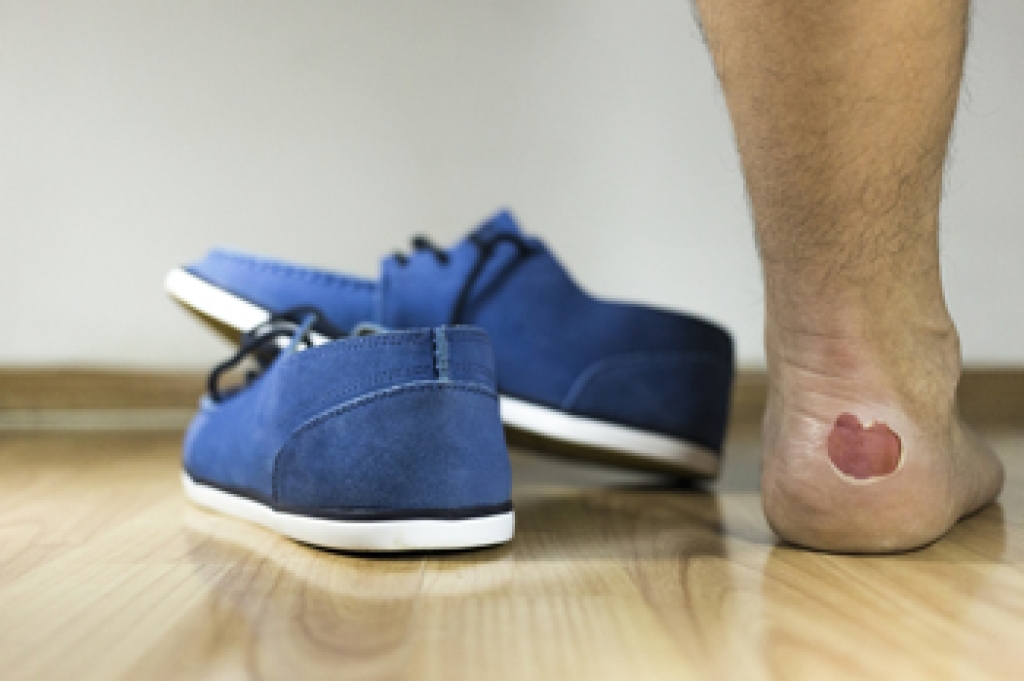
Teenagers often develop foot blisters due to friction, which can be the result of wearing new or ill-fitting shoes, engaging in high-intensity activities, or having sweaty feet. The best way to manage these blisters is to keep them clean with gentle soap and water and to protect them with a sterile bandage or specialized blister plaster that can cushion the area and soak up excess moisture. It is crucial not to pop blisters, as the skin covering them acts as a protective barrier against infection. Should a blister break on its own, the area should be cleaned, an antibiotic ointment applied, and then re-covered with a clean bandage. Ensuring footwear fits correctly and socks are moisture-wicking will help prevent further irritation. In cases where blisters are particularly painful, keep reoccurring, or show signs of infection, it is suggested that you make an appointment with a podiatrist who can provide additional treatment and prevention strategies.

Blisters are prone to making everyday activities extremely uncomfortable. If your feet are hurting, contact Kellvan Cheng, DPM of Elite Foot & Ankle. Our doctor can provide the care you need to keep you pain-free and on your feet.

Foot Blisters

Foot blisters develop as a result of constantly wearing tight or ill-fitting footwear. This happens due to the constant rubbing from the shoe, which can often lead to pain.

What Are Foot Blisters?

A foot blister is a small fluid-filled pocket that forms on the upper-most layer of the skin. Blisters are filled with clear fluid and can lead to blood drainage or pus if the area becomes infected.

How Do Blisters Form?

Blisters on the feet are often the result of constant friction of skin and material, usually by shoe rubbing. Walking in sandals, boots, or shoes that don’t fit properly for long periods of time can result in a blister. Having consistent foot moisture and humidity can easily lead to blister formation.

Prevention & Treatment

It is important to properly care for the affected area in order to prevent infection and ease the pain. Do not lance the blister and use a Band-Aid to provide pain relief. Also, be sure to keep your feet dry and wear proper fitting shoes. If you see blood or pus in a blister, seek assistance from a podiatrist.

If you have any questions, please feel free to contact our office located in Carrollton, TX . We offer the newest diagnostic and treatment technologies for all your foot care needs.

Read more about Blisters

Causes and Symptoms of Athlete’s Foot

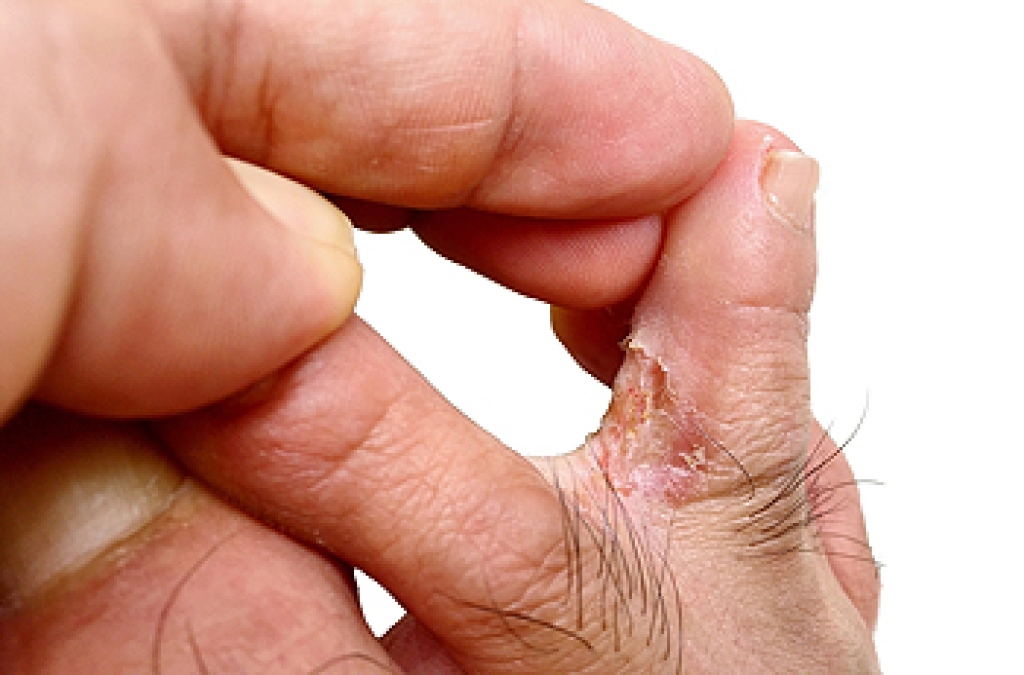
Athlete's foot, also known as tinea pedis, is a common fungal infection that affects the feet. It is caused by dermatophytes, a type of fungus that thrives in warm and moist environments. This condition can be uncomfortable, and if left untreated, it may lead to more serious complications. Athlete's foot is primarily caused by fungi that invade the dead outer layers of the skin. Common factors that contribute to the development of athlete's foot can include wearing poorly ventilated shoes, sweaty feet, contact with contaminated surfaces, and sharing footwear. Symptoms of athlete's foot often include scaling and peeling of the skin, especially in the toe webs, itching, or odor. The infection may also affect the soles of the feet, leading to redness, blistering, and peeling along the sides and soles. In advanced cases, there may be severe itching, a foul odor, painful cracking between the toes, and oozing. Symptoms, such as redness and swelling, areas of pus, or severe pain, may indicate a more serious infection that requires immediate medical attention to prevent further complications. For help managing athlete’s foot infections, it is suggested that you make an appointment with a podiatrist.

Athlete’s foot is an inconvenient condition that can be easily reduced with the proper treatment. If you have any concerns about your feet and ankles, contact Kellvan Cheng, DPM from Elite Foot & Ankle.  Our doctor will treat your foot and ankle needs.
Athlete’s Foot: The Sole Story

Athlete's foot, also known as tinea pedis, can be an extremely contagious foot infection. It is commonly contracted in public changing areas and bathrooms, dormitory style living quarters, around locker rooms and public swimming pools, or anywhere your feet often come into contact with other people.

Solutions to Combat Athlete’s Foot

  • Hydrate your feet by using lotion
  • Exfoliate
  • Buff off nails
  • Use of anti-fungal products
  • Examine your feet and visit your doctor if any suspicious blisters or cuts develop

Athlete’s foot can cause many irritating symptoms such as dry and flaking skin, itching, and redness. Some more severe symptoms can include bleeding and cracked skin, intense itching and burning, and even pain when walking. In the worst cases, Athlete’s foot can cause blistering as well. Speak to your podiatrist for a better understanding of the different causes of Athlete’s foot, as well as help in determining which treatment options are best for you.

If you have any questions please feel free to contact our office located in Carrollton, TX . We offer the newest diagnostic and treatment technologies for all your foot and ankle needs.

Read more about Athlete's Foot

Difficult Identification of Cuboid Syndrome

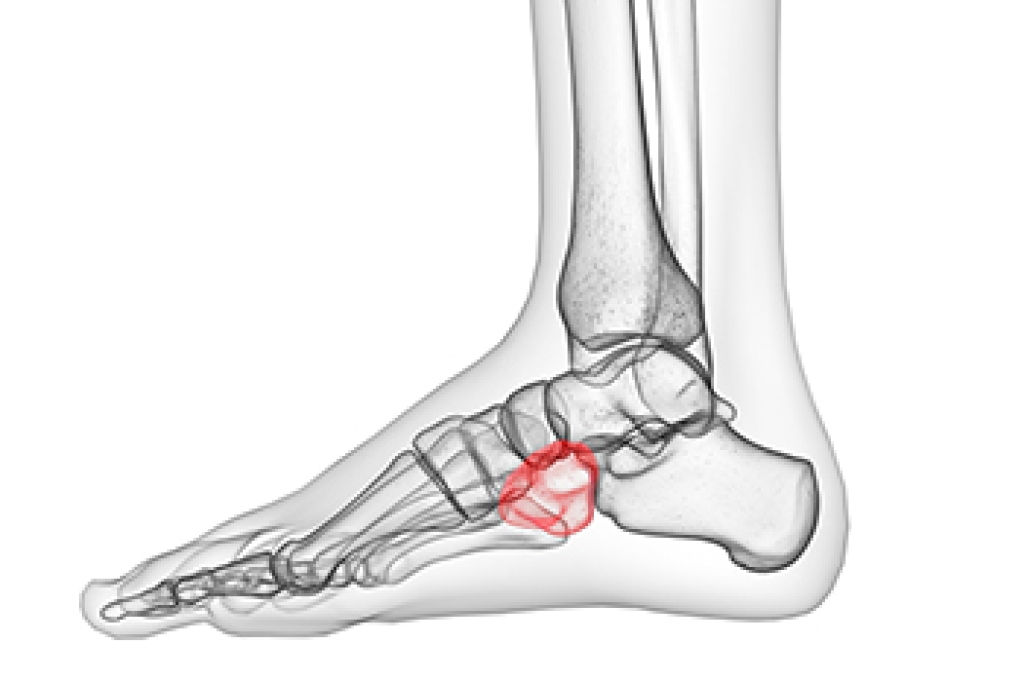
Cuboid syndrome has numerous alternate names, such as cuboid fault syndrome or lateral plantar neuritis. It manifests primarily as pain on the foot's outer edge, which stems from a misalignment of the cuboid bone. Located centrally within the foot, this bone connects seamlessly with other bones and is anchored by ligaments and tendons. A crucial joint in this context is the calcaneocuboid joint, vital for foot stability and motion. Problems arise when the bone displaces from its position, resulting in symptoms like pain, restricted motion, and challenges in weight-bearing. The diagnosis of cuboid syndrome often remains elusive as other issues can lead to lateral foot pain, such as gout, compression neuropathy, and tendinopathy. If cuboid syndrome is the culprit, treatment typically focuses on bone manipulation, with persistent cases demanding further interventions. If you have lateral foot pain, it is suggested that you make an appointment with a podiatrist for an examination, diagnosis, and treatment for its cause.

Cuboid syndrome, also known as cuboid subluxation, occurs when the joints and ligaments near the cuboid bone in the foot become torn. If you have cuboid syndrome, consult with Kellvan Cheng, DPM from Elite Foot & Ankle. Our doctor will assess your condition and provide you with quality foot and ankle treatment.

Cuboid syndrome is a common cause of lateral foot pain, which is pain on the outside of the foot. The condition may happen suddenly due to an ankle sprain, or it may develop slowly overtime from repetitive tension through the bone and surrounding structures.

Causes

The most common causes of cuboid syndrome include:

  • Injury – The most common cause of this ailment is an ankle sprain.
  • Repetitive Strain – Tension placed through the peroneus longus muscle from repetitive activities such as jumping and running may cause excessive traction on the bone causing it to sublux.
  • Altered Foot Biomechanics – Most people suffering from cuboid subluxation have flat feet.

Symptoms

A common symptom of cuboid syndrome is pain along the outside of the foot which can be felt in the ankle and toes. This pain may create walking difficulties and may cause those with the condition to walk with a limp.

Diagnosis

Diagnosis of cuboid syndrome is often difficult, and it is often misdiagnosed. X-rays, MRIs and CT scans often fail to properly show the cuboid subluxation. Although there isn’t a specific test used to diagnose cuboid syndrome, your podiatrist will usually check if pain is felt while pressing firmly on the cuboid bone of your foot.

Treatment

Just as the range of causes varies widely, so do treatments. Some more common treatments are ice therapy, rest, exercise, taping, and orthotics.

If you have any questions, please feel free to contact our office located in Carrollton, TX . We offer the newest diagnostic and treatment technologies for all your foot care needs.

Read more about All About Cuboid Syndrome

Are Bunions Affecting Your Everyday Life?

Have you noticed a bony protrusion on the side of your big toe? If so, you may have developed the foot condition known as a bunion. Don't let bunions interfere with your daily activities.

Connect with us