Dallas Metro / North Texas
(214) 710-1028

The Importance of Wearing the Right Shoes for Cold Weather Work

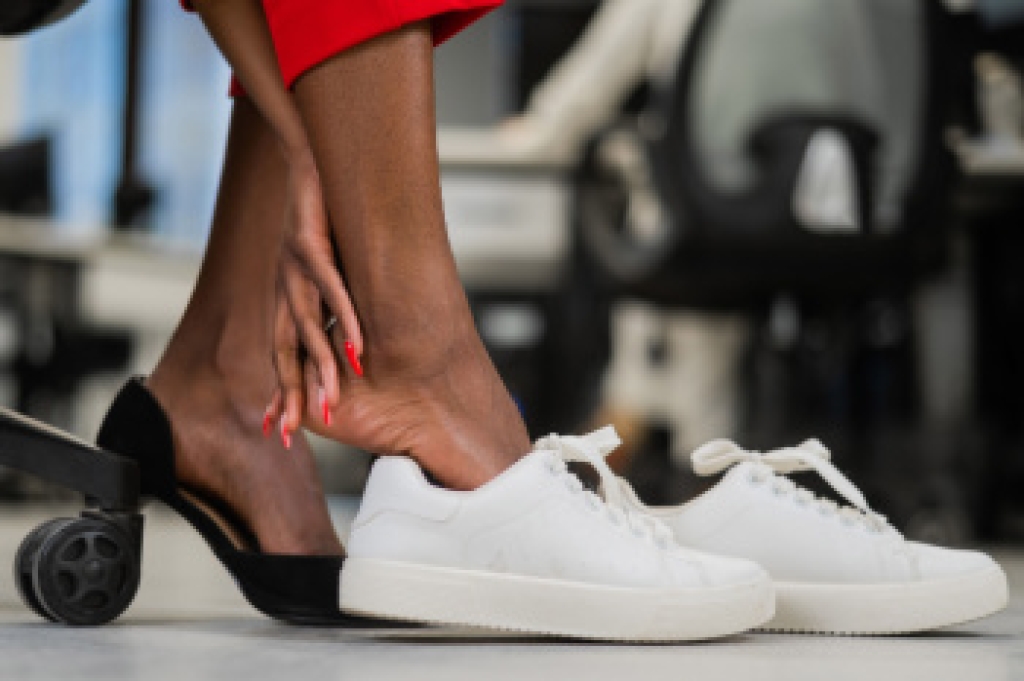
Wearing the right shoes while working in the cold weather is essential for protecting your feet, maintaining comfort, and preventing injury. Wool sneakers or high-top shoes provide warmth and flexibility, keeping feet insulated while allowing natural movement. Leather boots offer durability, support, and water resistance, making them ideal for demanding tasks in snowy or wet conditions. For active winter days, lightweight shoes with good traction provide comfort and help prevent slips or falls. Wearing proper footwear also supports circulation and reduces the risk of frostbite or cold-related discomfort. A podiatrist can assess your foot structure, recommend the best shoes for your work environment, and provide guidance to prevent cold-weather foot problems. If you have foot pain from wearing the wrong shoes for the environment during your workday, it is suggested that you schedule a visit with a podiatrist who can offer effective relief tips and guide you on the correct shoes to wear.

While working on the feet, it is important to take the proper care of them. For more information about working on your feet, contact Kellvan Cheng, DPM from Elite Foot & Ankle. Our doctor will treat your foot and ankle needs.

Working on Your Feet

Standing on your feet for long periods of time can cause stress and pain in your feet. Your whole body may experience change in terms of posture, back pain, bunions, callouses and or plantar warts. There are ways to avoid these conditions with proper foot care, smart choices and correct posture.

Positive Changes

Negative heeled shoe – Choosing this shoe type places the heel slightly lower than the ball of the foot. These are great for overall foot health. Find shoes that fit you correctly.

Go barefoot – Our feet were not designed to be enclosed for all hours of the day. Try to periodically expose your feet to air.

Eliminate Pain

Foot Exercises – Performing simple exercises, incorporating yoga and doing stretches are beneficial. This will allow increased blood flow to the area and muscles of the foot.

Achilles tendon – Stretching the foot out flat on the floor will relax the calf muscles and tendon. These exercises can be performed almost anywhere. Make sure you add these exercises to your daily regimen. 

With a little bit of this information and knowing more about foot health, you will notice changes. Foot stretches and proper footwear will help with pain and prevent further issues.

If you have any questions please contact our office located in Carrollton, TX . We offer the newest diagnostic and treatment technologies for all your foot and ankle needs.

Read more about Working on Your Feet

When Feet Hold On to Fluid

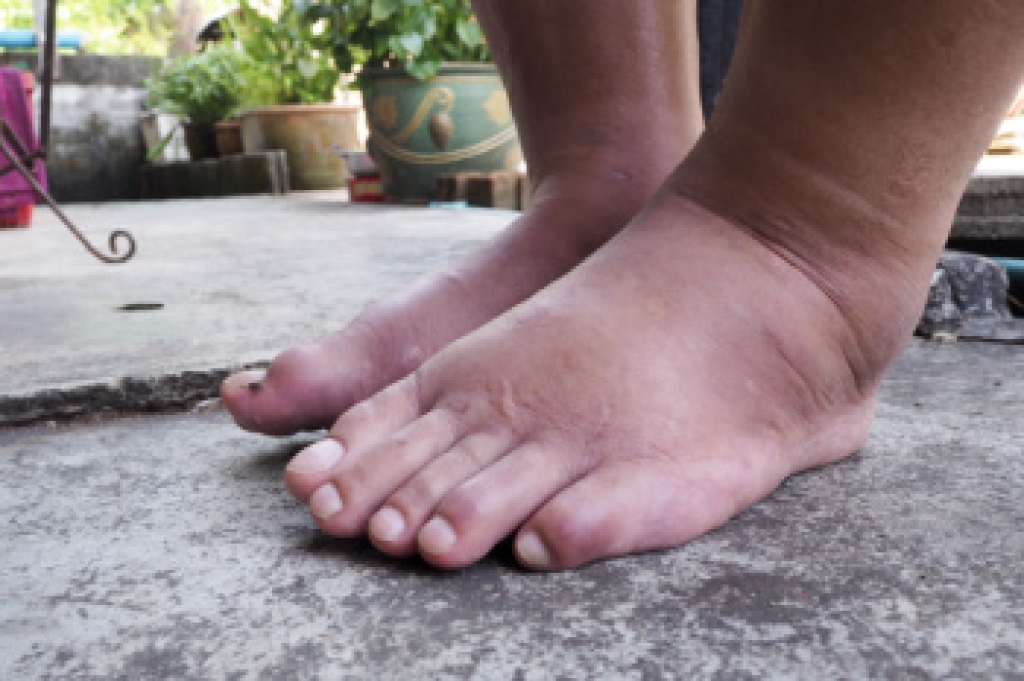
Swelling of the feet, also called edema, occurs when excess fluid collects in the tissues of the lower extremities. Symptoms include puffiness, tight or shiny skin, aching, and heaviness, often worsening by the end of the day. The feet and ankles may look enlarged, feel warm, and leave an indentation when pressed. It may feel uncomfortable, stiff, or painful in shoes and during walking. Causes range from prolonged standing, injury, and obesity to circulation issues or kidney conditions. A podiatrist can help from the start by evaluating medical history, examining the feet and ankles, assessing circulation, and identifying potential underlying causes. Treatment options include footwear guidance, elevation strategies, and targeted treatment of contributing foot conditions. Early podiatric care helps reduce discomfort, prevent skin breakdown, and improve mobility. If you are dealing with ongoing swelling of the feet, it is suggested that you make an appointment with a podiatrist.

Swollen feet can be a sign of an underlying condition. If you have any concerns, contact Kellvan Cheng, DPM of Elite Foot & Ankle. Our doctor can provide the care you need to keep you pain-free and on your feet.

Swollen feet are a common ailment among pregnant women and people who stand or sit for extended periods. Aging may increase the possibility of swollen feet and patients who are obese often notice when their feet are swelling too. There may be medical reasons why swollen feet occur:

  • Phlebitis - A condition that causes the veins to become inflamed and can also cause leg pain.
  • Liver disease - This may lead to low blood levels of albumin which is a protein. This can cause fluid in the blood to pass into the tissues and several areas of the body can become swollen.
  • Heart failure - When the heart doesn’t pump properly the blood that is normally pumped back to the heart can pool in the veins of the legs causing swollen feet.
  • Kidney disease - One of the main functions of the kidneys is releasing excess fluid in the body. This type of condition can make it difficult for the kidneys to function properly, and as a result the feet may become swollen.
  • Deep-vein thrombosis (DVT)- This is a serious condition where blood clots form in the veins of the legs. They can block the return of blood from the legs to the heart which may cause the feet to swell. It is important to be treated by a podiatrist if this condition is present.

Swollen feet can also be caused by bone and tendon conditions, including fractures, arthritis, and tendinitis. Additionally, there may be skin and toenail conditions and an infection may cause the feet to swell. Patients who take medicine to treat high blood pressure may be prone to getting swollen feet. 

Many patients elevate their feet to help relieve the swelling and this is generally a temporary remedy. When a podiatrist is consulted the reason behind the swelling can be uncovered and subsequently treated.

If you have any questions please contact our office located in Carrollton, TX . We offer the newest diagnostic and treatment technologies for all your foot and ankle needs.

Read more about Swelling of the Feet

What Is a Bunion?

Bunions are a progressive foot condition that creates a bony bump at the base of the big toe joint. They are often caused by inherited foot structure, improper footwear, or repeated stress on the foot. A bunion may look swollen, red, or enlarged and can feel achy, stiff, or painful, especially during walking or while wearing tight shoes. Some people notice burning sensations, throbbing, or limited range of motion in the toe. A podiatrist can help from the start by evaluating foot alignment, gait, and joint function, and may use imaging to confirm severity. Treatment options range from footwear guidance and padding to custom orthotics designed to reduce pressure and discomfort. Early care may slow progression and improve daily mobility and overall foot health. If you have a painful bunion, it is suggested that you schedule an appointment with a podiatrist for effective relief and treatment solutions.

If you are suffering from bunion pain, contact Kellvan Cheng, DPM of Elite Foot & Ankle. Our doctor can provide the care you need to keep you pain-free and on your feet.

What Is a Bunion?

Bunions are painful bony bumps that usually develop on the inside of the foot at the joint of the big toe. As the deformity increases over time, it may become painful to walk and wear shoes. Women are more likely to exacerbate existing bunions since they often wear tight, narrow shoes that shift their toes together. Bunion pain can be relieved by wearing wider shoes with enough room for the toes.

Causes

  • Genetics – some people inherit feet that are more prone to bunion development
  • Inflammatory Conditions - rheumatoid arthritis and polio may cause bunion development

Symptoms

  • Redness and inflammation
  • Pain and tenderness
  • Callus or corns on the bump
  • Restricted motion in the big toe

In order to diagnose your bunion, your podiatrist may ask about your medical history, symptoms, and general health. Your doctor might also order an x-ray to take a closer look at your feet. Nonsurgical treatment options include orthotics, padding, icing, changes in footwear, and medication. If nonsurgical treatments don’t alleviate your bunion pain, surgery may be necessary.

If you have any questions, please feel free to contact our office located in Carrollton, TX . We offer the newest diagnostic and treatment technologies for all your foot care needs.

Read more about Bunions

Get Professional Care for a Broken Foot or Ankle

Constant care and regular evaluation are important for a foot or ankle fracture. If left untreated, foot or ankle fractures can worsen over time and create more serious problems.

Don't wait to be examined if you believe you've experienced a foot or ankle fracture.

Managing Athlete’s Foot Effectively

Athlete’s foot is a common fungal infection that thrives in warm, moist environments such as shoes, locker rooms, and public showers. It often begins between the toes, causing itching, burning, redness, and peeling skin. Left untreated, it can spread to the soles or toenails, and may even pass to others through shared surfaces or footwear. Keeping the feet clean and dry is the first step in prevention and recovery. Changing socks regularly, wearing breathable shoes, and using antifungal powders or sprays can help stop the infection from spreading. Persistent or severe cases may require prescription-strength medication to fully clear the fungus and prevent recurrence. If you experience ongoing itching, cracking, or scaling on your feet that is persistent, it is suggested that you visit a podiatrist for a precise diagnosis and effective treatment plan.

Athlete’s Foot

Athlete’s foot is often an uncomfortable condition to experience. Thankfully, podiatrists specialize in treating athlete’s foot and offer the best treatment options. If you have any questions about athlete’s foot, consult with Kellvan Cheng, DPM from Elite Foot & Ankle. Our doctor will assess your condition and provide you with quality treatment.

What Is Athlete’s Foot?

Tinea pedis, more commonly known as athlete’s foot, is a non-serious and common fungal infection of the foot. Athlete’s foot is contagious and can be contracted by touching someone who has it or infected surfaces. The most common places contaminated by it are public showers, locker rooms, and swimming pools. Once contracted, it grows on feet that are left inside moist, dark, and warm shoes and socks.

Prevention

The most effective ways to prevent athlete’s foot include:

  • Thoroughly washing and drying feet
  • Avoid going barefoot in locker rooms and public showers
  • Using shower shoes in public showers
  • Wearing socks that allow the feet to breathe
  • Changing socks and shoes frequently if you sweat a lot

Symptoms

Athlete’s foot initially occurs as a rash between the toes. However, if left undiagnosed, it can spread to the sides and bottom of the feet, toenails, and if touched by hand, the hands themselves. Symptoms include:

  • Redness
  • Burning
  • Itching
  • Scaly and peeling skin

Diagnosis and Treatment

Diagnosis is quick and easy. Skin samples will be taken and either viewed under a microscope or sent to a lab for testing. Sometimes, a podiatrist can diagnose it based on simply looking at it. Once confirmed, treatment options include oral and topical antifungal medications.

If you have any questions, please feel free to contact our office located in Carrollton, TX . We offer the newest diagnostic and treatment technologies for all your foot care needs.

Read more about How to Deal with Athlete's Foot
Connect with us